
Photographers, graphic designers, and creators love to complain about AI: it’s disrupting the job market, driving down earnings, and flooding the world with visual smog. And yes, to a large extent, we all know that’s true. But I’d argue that for photography itself, this is actually a blessing. It is subtly but inevitably forcing the medium back to its roots: capturing emotion, story, and authenticity. And that is a wonderful thing—possibly the best thing to happen to photography in decades.
“Dad, I’m sick of this fake world”
A few days ago, my younger daughter dropped a casual but pivotal comment: “Dad, Instagram is just clogged with videos of dogs saving kids from trains, cars, or other dogs. It’s awful. It’s all artificial intelligence. You can’t even watch it anymore!”
In just a few words, she summed up what I’ve felt intensely for months: There is a growing hunger to see something real. At the same time, we are desperate to hold onto the illusion that we can still tell the difference between what’s real and what’s invented.

You might argue that this feeling hit you the moment you saw your first Midjourney image. But that’s not what I’m talking about; that would be too obvious. And make no mistake: this isn’t a critique of “evil AI.” I’m actually a huge fan. It offers fantastic possibilities, and I use it daily.
I’m writing about something else: the deepening desire to stay anchored in a real world full of genuine beauty, emotion, and stories. Photography is going to play a massive role in this—bigger than we currently realize. It’s just going to be a different kind of photography, one that demands more from us.
The Foundation: Emotion and Authenticity
I’ve been lecturing on photography for nearly 15 years. I teach the classics, showing scans of my slides that will survive for decades. I teach digital, which changed the game overnight. And I teach mobile photography, which—unlike many traditionalists—I genuinely love. Why? Because never in human history have so many people taken pictures. And never have so many great photos been created.
But I’ve realized something: it is surprisingly hard to explain what a truly good photo actually is, and how it differs from a “pretty” one. A pretty photo flares up on Instagram for a moment, then burns out and dies. We never look at it again. Nothing against those shots; I take them too.
But a really good photo has something else. It holds a story, an emotion, a sense of truth. You can look at it months or years later and still feel it. That’s the difference.

Why is this so hard to define? Because people tend to think beauty is subjective. That everyone likes different things, and that “pretty” is enough.
It isn’t. A photo meant to outlive the day needs a soul. When it’s there, everyone recognizes it. The quality of a truly good photo is, in most cases, entirely objective. And the word “emotion” is almost always the common denominator.
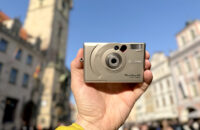
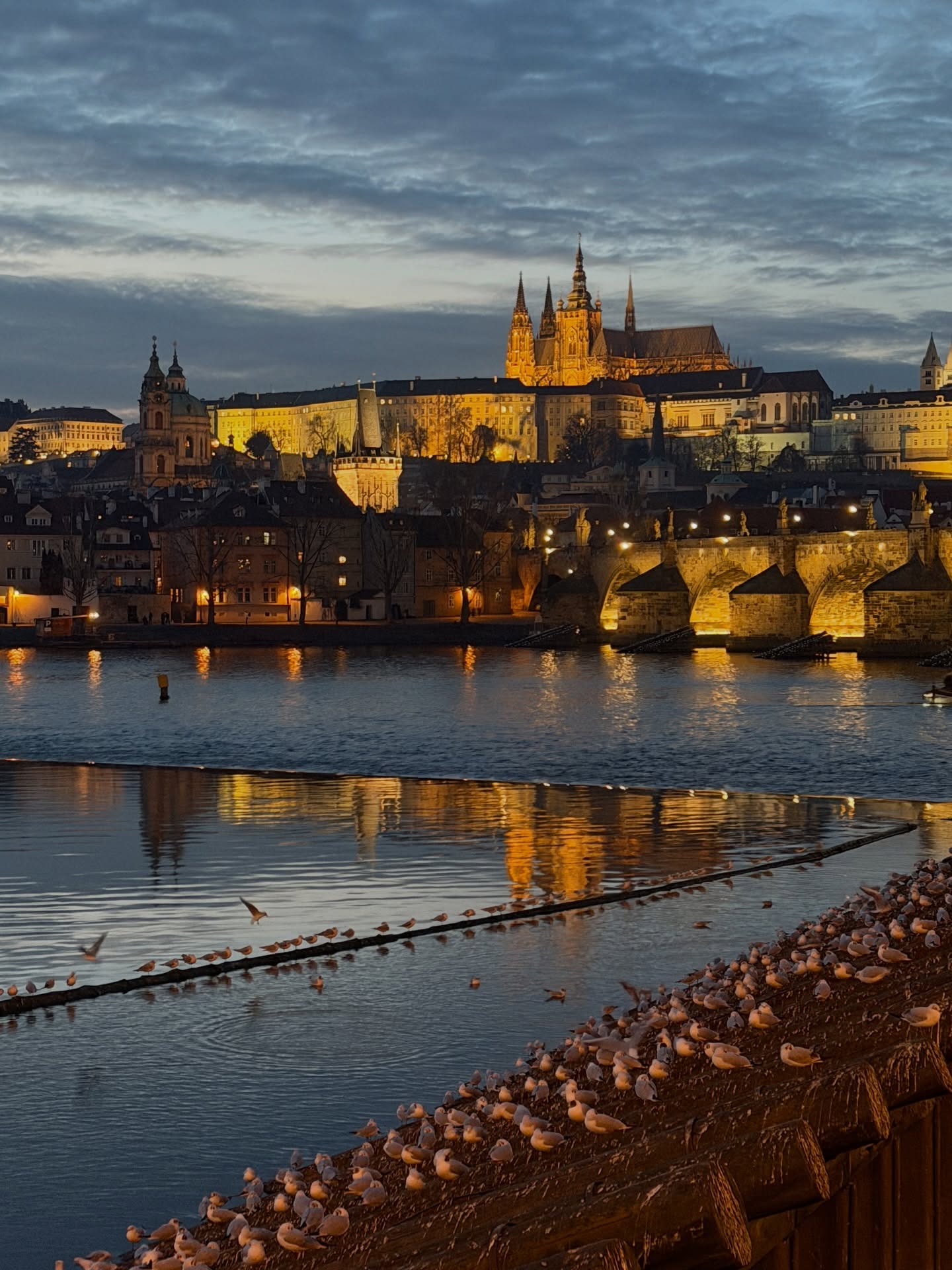
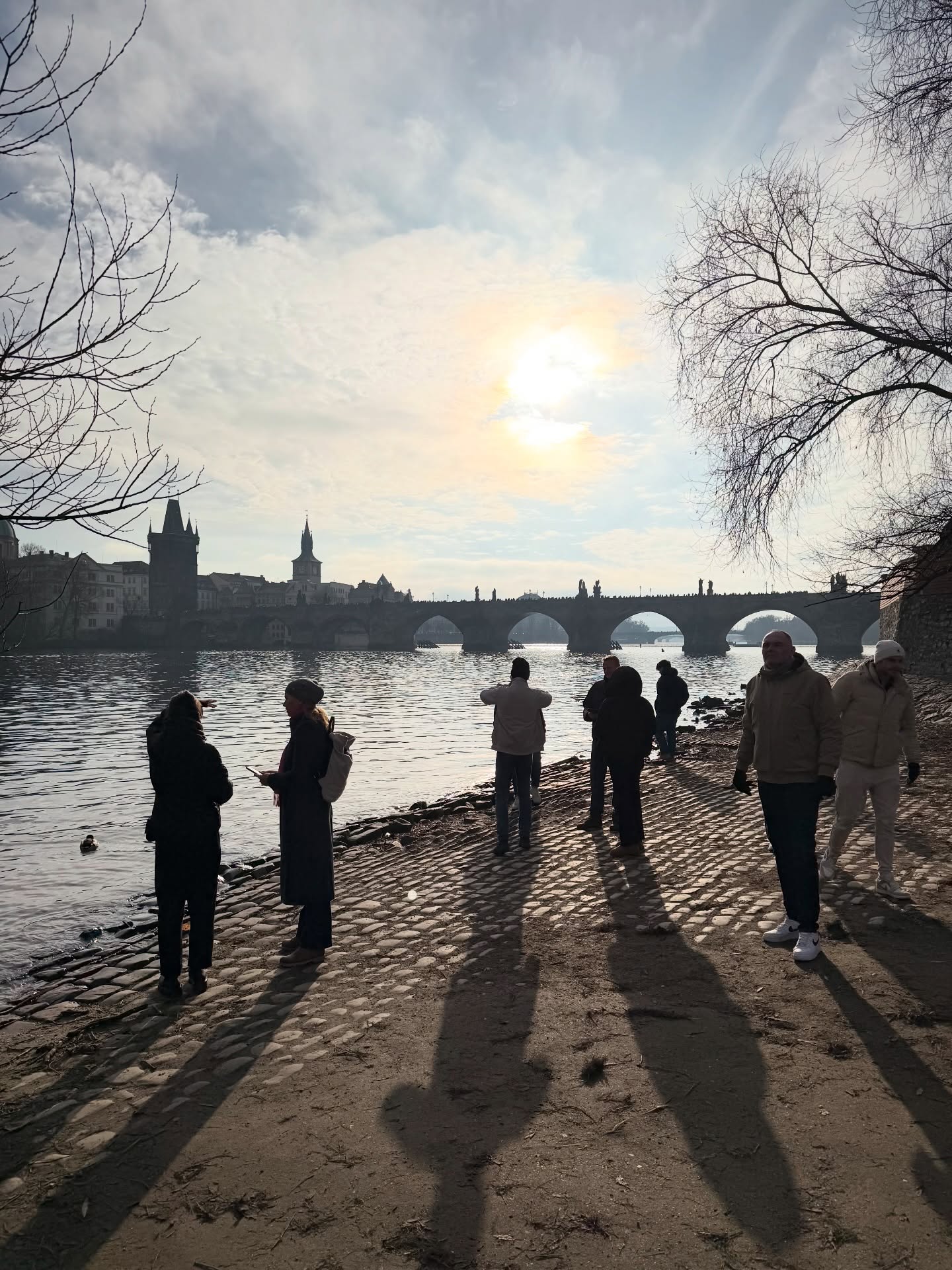
In my workshops, I ask participants to do something seemingly nonsensical—take a camera, make a gesture, and let me photograph them against the backdrop of historic Prague. It takes very little—just a spark of emotion—to guarantee the photo retains energy and remains interesting a year or two later. Unlike the dozens of “pretty” sunsets or views of Charles Bridge. Those might be aesthetically pleasing, but they are empty.
Or take the “Vacation Test”: go through your photos a year later. Which ones actually pull you in? The 276 shots of the Colosseum? That Trevi Fountain in the August sun you were so proud of? Not a chance. Aside from a few family snaps, the one you’ll linger on is that hurried shot of a café owner carrying coffee through the old town. Now you know why—only emotion counts.
So where does AI fit into this? It hasn’t gone anywhere. But its presence allows me to formulate the key rule: a photo needs emotion and authenticity. And that is simply something AI cannot offer.
Can it create perfect product shots, dreamscapes, and flawless models? Absolutely. And that has its place.
But—and this is my main point—AI cannot handle true emotion.
Authenticity is Worth its Weight in Gold
When AI chatbots arrived, I played around with them just like everyone else. I enthusiastically generated stock photos for articles. AI even created the thumbnail for my most-watched YouTube video, 12 Tips and Tricks for Better Smartphone Photos. (The Czech version has over 220,000 views; the English version is here).
Looking at it now, that AI thumbnail seems insane to me. I’m just glad most people don’t notice. In just 2.5 years, our relationship with AI photography has shifted dramatically. It no longer feels appropriate; in fact, it looks weird.
And that’s good. Consciously and subconsciously, we crave the world as it is. Or rather, our intuition (and perhaps a need for safety) builds barriers: we want to see something real. Or, at the very least, we want to know a landscape is fake so we can filter it out.
What scares us—what we really don’t want—is to look at a beautiful photo of a face or a city and have to ask: “Is this real, or is it a prompt?”
The Paradox: Good News and Bad News
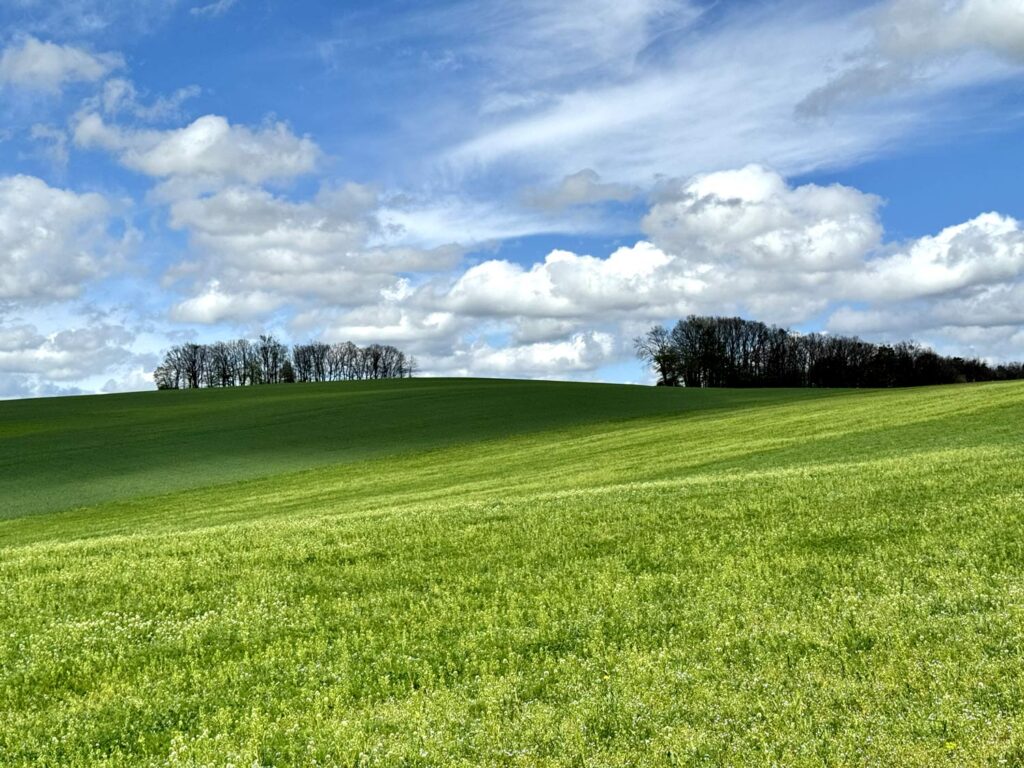
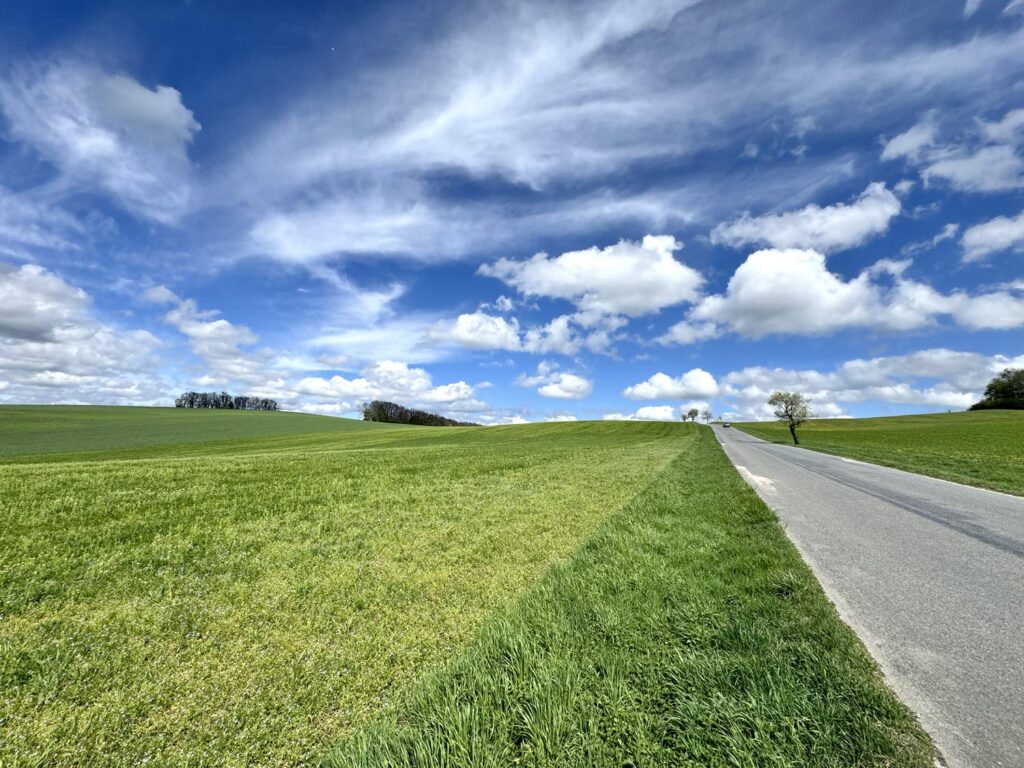
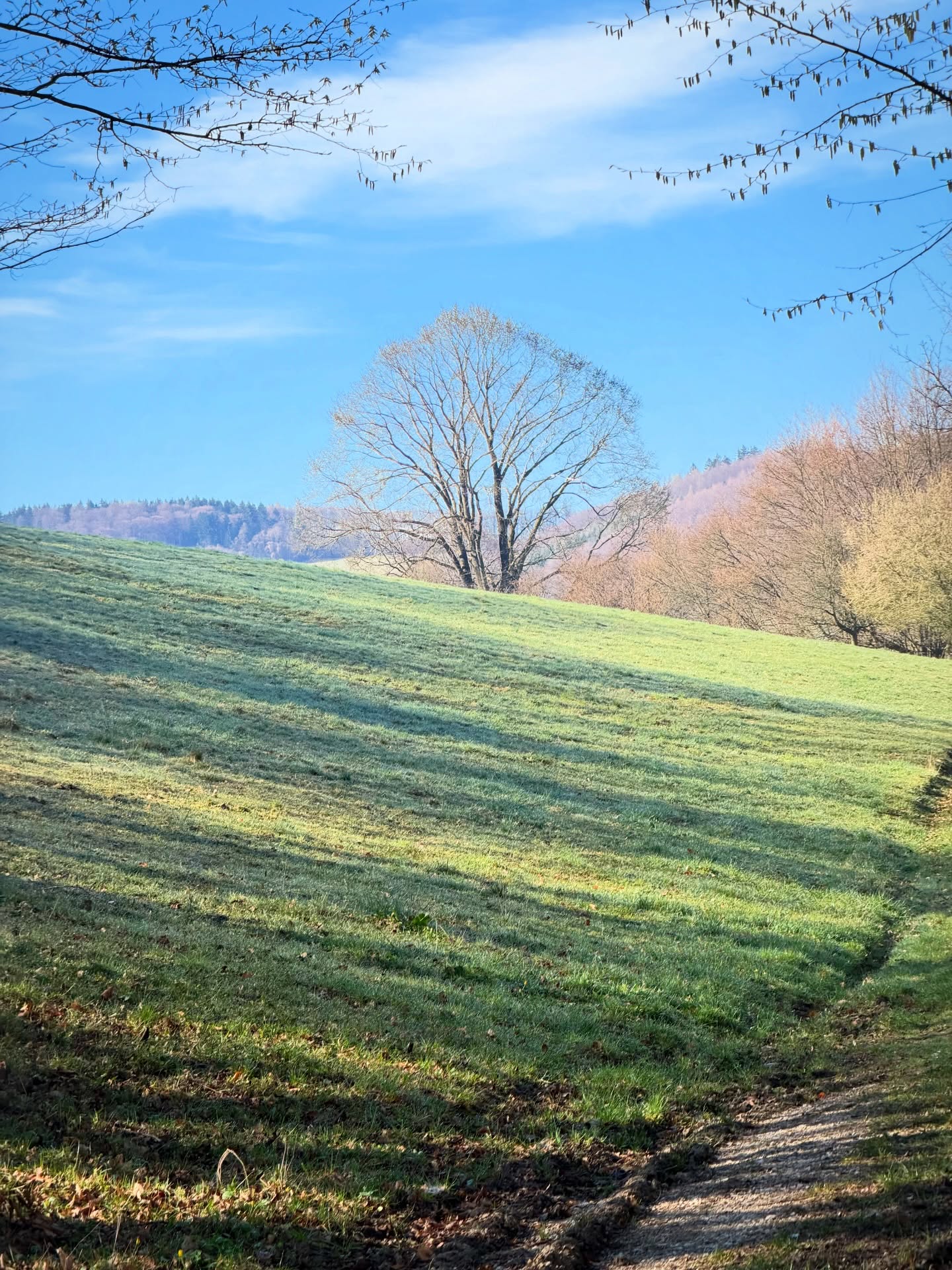
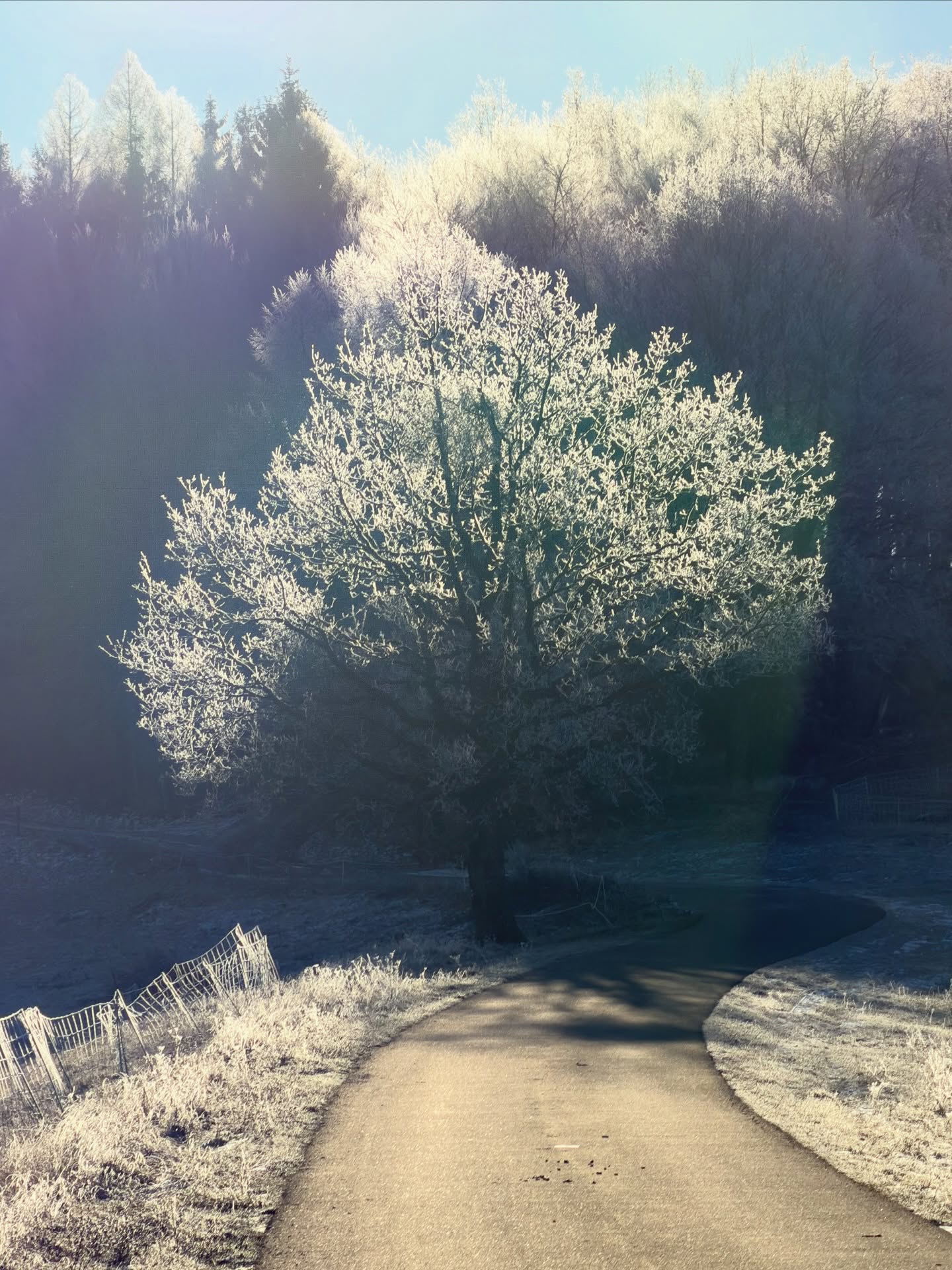
Here is the fact: For a photo to succeed now, it must be authentically human at first glance. Take the photo of the green landscape and blue sky in this article. It’s completely real, unedited, authentic. But I admit, you can’t tell by looking at it—and that is starting to be a problem.
This leads to a paradox: The standards are higher. To pass our “brain test,” a photo must be undisputedly original.
The bad news: Being “ordinarily good” is no longer enough. This is a shame, as it makes things harder for beginners. A generic, pretty photo will only work if it manages to sneak past our subconscious filters.
The good news: The world is going to place a massive premium on those who can photograph the “old way”—capturing emotion and story.
Summary: Whoever Captures Emotion Wins
I truly believe the rise of AI is good news for photography because it forces a return to the roots. The value lies in taking a photo where, not even for a split second, does the viewer wonder if it’s a fake.
This applies to cameras and mobile phones alike. Yes, a dedicated camera offers more control, but for capturing quick, raw emotion, a phone in your pocket is a powerful tool.
So, forget about “just pretty” photos. We are entering a new era where only the truly great ones will survive.















Leave a Reply