Wondering if the Xiaomi 15T is worth your attention? How does it stack up against the more expensive Pro? We took it out for a spin in real-world shooting, shot a bunch of photos, and even made a video to show you everything it can do.
Where the Xiaomi 15T fits — and who it’s for
Every autumn, a familiar pair of smartphones appears — and for years, I’ve always enjoyed testing them. They’ve consistently filled an important role: great performance at a reasonable price.
For many years,I wrote a more or less categorical line: the non-Pro model usually makes more sense. Either it was nearly identical in terms of camera quality (the 13 series) or the differences weren’t dramatic (the 14 series). Those standard models were among my personal favorites — phones I often recommended, along with the likes of Samsung’s A55 or A56.
But this year, things are completely different. The usual pattern doesn’t apply.
Most of the attention has gone to the Xiaomi 15 Pro (review here), which offers genuinely remarkable performance and belongs closer to the high-end class (while still remaining fairly priced). It brings a high-quality 5× zoom, excellent image quality, and overall refinement.

And to be honest, testing the base model — the 15T — right after the Pro wasn’t easy. The bar was simply set high. Still, as we’ll see, the same old truth remains: the non-Pro version continues to be one of the strongest contenders in the (relatively) affordable segment.
So what are the key differences? How do they affect everyday shooting? And what’s worth knowing about this generation?
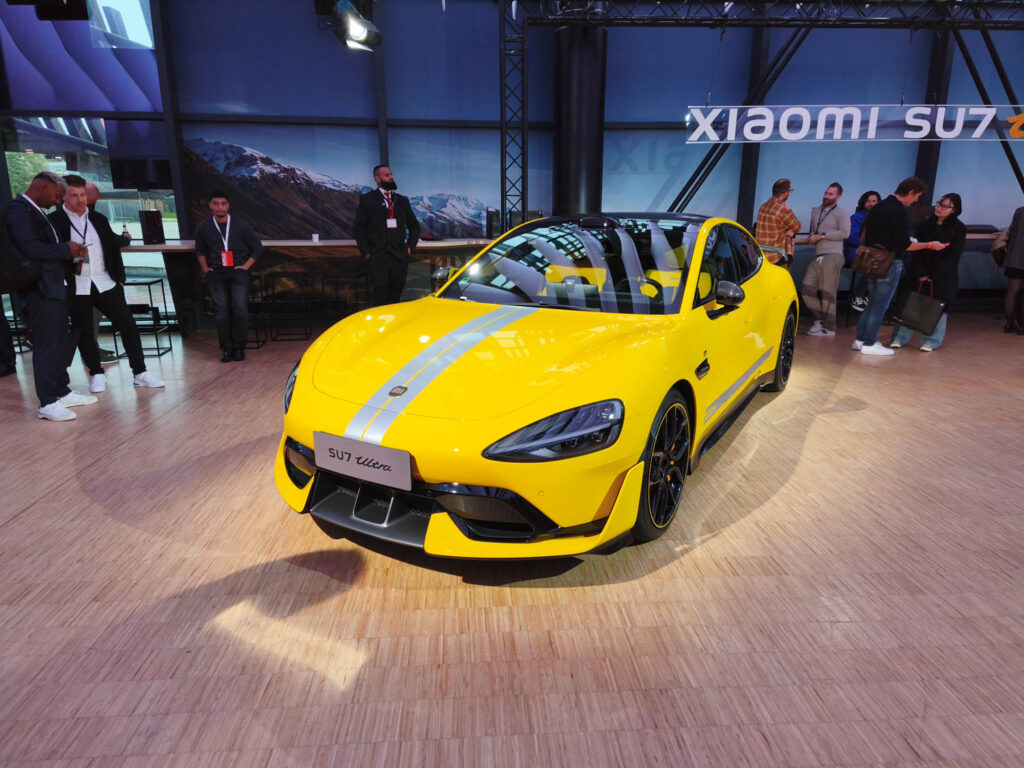
Let’s dive in — from autumnal Prague to Munich, where I attended the official launch of the new lineup.
Video: Xiaomi 15T came – 11 min v HDR 4K
Xiaomi 15T camera overview
As usual, let’s start with the camera specs — what sensors and lenses we’re actually working with.
| Xiaomi 15T – camera specs | |
|---|---|
| Main lens | 23 mm, 50 Mpx, f/1.7 2.0μm Super Pixel, OIS Sensor Light Fusion 800 Sensor size 1/1.56″ |
| Telephoto lens | 46 mm, 50 MPx, f/1.9 Sensor Samsung JN5 Sensor size 1/2.75″ |
| Ultra-wide | 15mm, 12 Mpx, f/2.2, 120° FOV |
| Front camera | 21mm, 32 Mpx, f/2.2 90° FOV |
The main sensor obviously does most of the heavy lifting. It’s a 50 MP Light Fusion 800, a slightly lower and physically smaller version of the one in the 15 Pro. As you can see from the sample photos, it still performs very well.

The zoom setup is more modest: just 2× optical zoom. Based on Xiaomi’s official specs, it uses the same sensor as the Pro but a different optical assembly. The 2× magnification is perfectly fine for casual use, while digital zoom can go up to 60× — though, as always, image quality quickly degrades at that level.

Xiaomi 15T (left) and Xiaomi 15T Pro (right) in a detailed view of the camera system. Source: Xiaomi.com
The ultra-wide camera tends to stay in the background, but that’s a pity — it’s genuinely useful for everyday shooting. It has 12 MP, which is perfectly sufficient for typical scenes.

And yes, there’s a selfie camera, which I only test briefly. It performs decently, but the real photographic story is told by the rear camera system.
As expected, the phone can also shoot HDR video, though you’ll need to manually enable it in settings — it’s off by default, which is unfortunate, because the difference is huge and instantly noticeable (and more users will appreciate it as HDR displays become common).

And of course, Leica’s name is everywhere: co-engineering the optics, sensors, and color filters. You can choose between two Leica color modes — Leica Authentic and Leica Vibrant. I almost always stick with Vibrant, which — despite its name — actually produces more natural colors than Authentic.
Xiaomi 15T vs. Xiaomi 15T Pro
Let’s compare the photographic setups of the Xiaomi 15T and 15T Pro. Ever since their launch, I’ve received endless variations of the same question: how different are they, really?
As mentioned earlier, this time the differences are — for the first time — genuinely significant.
| Xiaomi 15T – Camera specs | |
|---|---|
| Main lens | 23 mm, 50 Mpx, f/1.7 2.0 μm Super Pixel, OIS Sensor: Light Fusion 800 Sensor size: 1/1.56″ |
| Telephoto lens |
46 mm, 50 Mpx, f/1.9
Sensor: Samsung JN5 Sensor size: 1/2.75″ |
| Ultra-wide | 15 mm, 12 Mpx, f/2.2, 120° FOV |
| Front camera | 21 mm, 32 Mpx, f/2.2, 90° FOV |
1. Zoom: The Pro model offers a 5× telephoto, while the regular 15T only has 2×. How much that matters depends on the user. Both seem to share the same sensor, differing only in optics.
Many users won’t care about zooming, but I’ll admit — after testing the 5× optical zoom (which can stretch to a rather crazy 100× digitally), I really missed it.

2. Main sensor size: The main camera uses a smaller sensor than the Pro. This might sound minor, but it matters — sensor size affects image quality, especially in low light. The top-tier Xiaomi 15 Ultra (review here) still reigns supreme with its large “one-inch” sensor.
While I was overall very happy with the 15T’s image quality, I occasionally felt that the smaller sensor made a difference — subtle, but noticeable to experienced users.
3. Processor: The 15T runs on a MediaTek Dimensity 8400-Ultra, while the Pro uses the Dimensity 9400+. Normally I don’t focus much on chipset differences, since in daily use they’re barely visible, but I did notice the 15T occasionally hesitating slightly — something only noticeable right after using the ultra-smooth Pro.
What I liked about the Xiaomi 15T
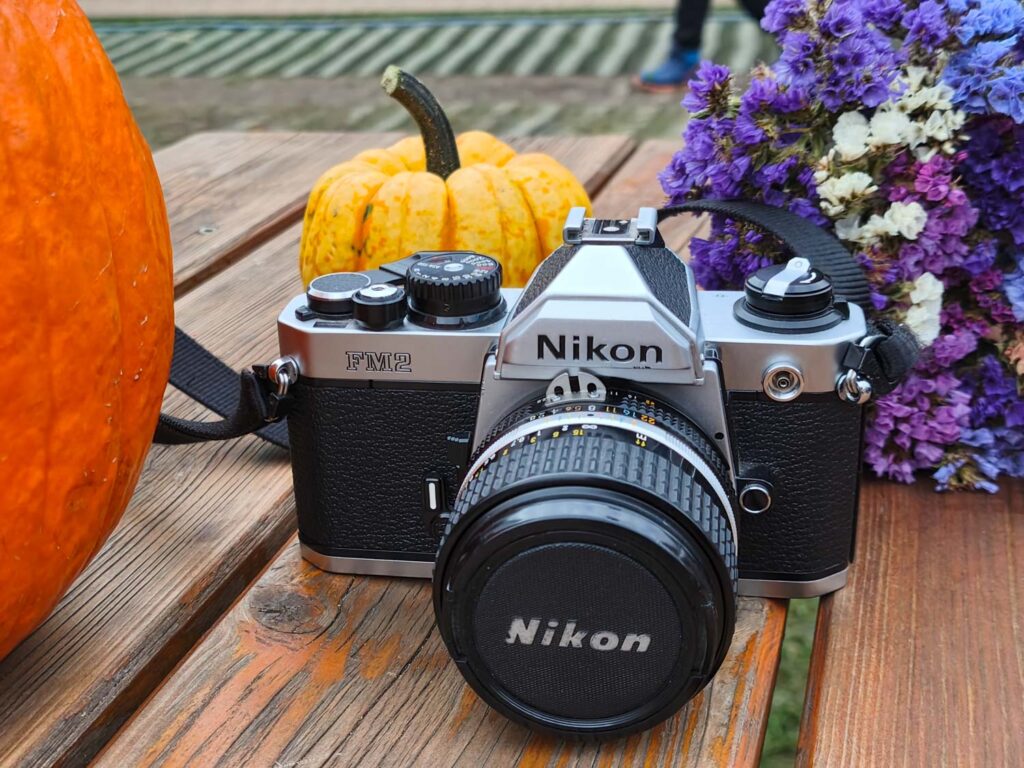
Very good image quality overall. That’s the key takeaway: the Xiaomi 15T delivers solid, dependable results. Casual users will be more than satisfied, and even demanding photographers won’t be disappointed.

The main sensor performs well. No visible color inconsistencies, no weird portrait-mode artifacts, no obvious white balance issues — just steady, reliable results. (The Pro does have the edge, though, thanks to its larger sensor.)
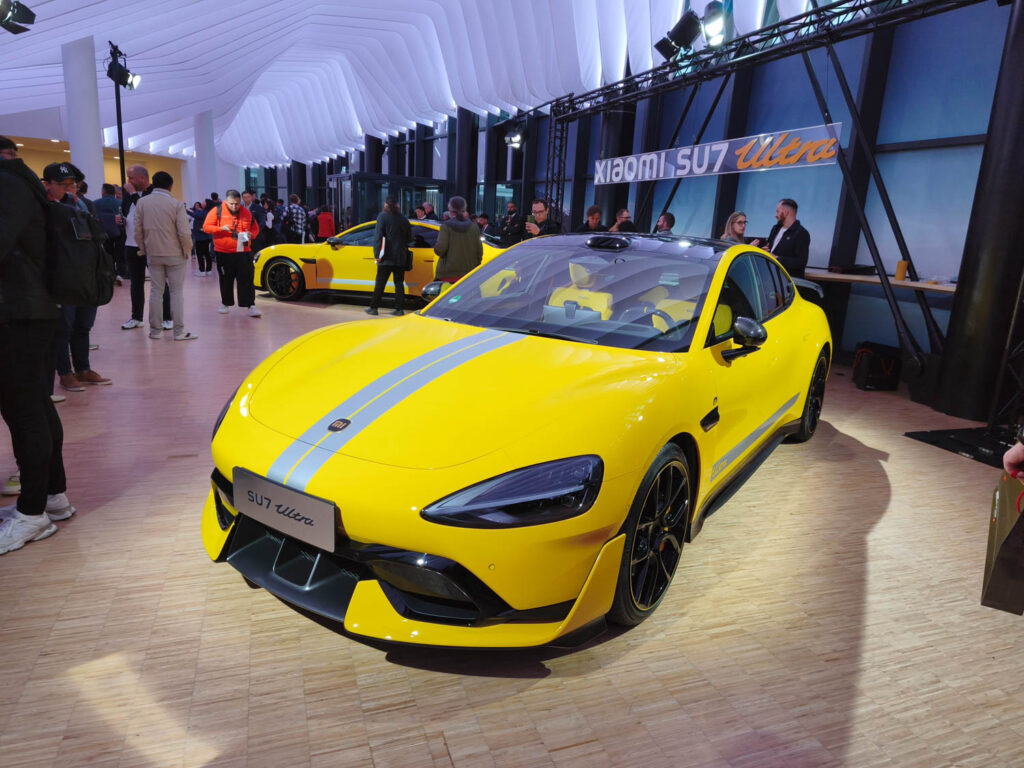
Digital zoom is usable. The 2× optical zoom is basic, but the digital zoom can go up to 60×. Image quality degrades sharply at the high end, yet moderate zoom levels remain perfectly usable.



Portrait mode works as it should. Earlier Xiaomi models had confusing effects like Whirling bokeh that never made much sense. The system is now simpler and more logical — you just switch between focal lengths. Done.

Leica Vibrant is now a great default. This might sound small, but it’s a big deal. In past models, Vibrant often oversaturated colors, while Authentic muted them too much. This time, Vibrant looks more natural — vivid, but not exaggerated. It’s the new normal, and I really like it.

Things to watch out for
The 15T Pro is simply “a step above.” This isn’t a fair criticism, but it’s true: the Pro is noticeably better overall. If the price gap isn’t huge, the Pro will always be the more reasonable choice — though again, casual users might never notice the difference.

The smaller main sensor sometimes shows. Experienced users may occasionally spot a subtle loss of depth or dynamic range compared to the Pro. Nothing dramatic, but it’s there.

The ultra-wide camera trails behind. With 12 MP, it sometimes falls short compared to the two 50 MP modules. A minor issue, but worth noting.
Slight color mismatch in telephoto shots. Occasionally, especially in night scenes, the telephoto images have slightly different color tones or white balance than the main camera. Likely fixable via future software updates.

HDR video must be turned on manually. I love HDR — glowing skies, rich contrast — but on the 15T, as with the Pro, it’s disabled by default. Many users will miss out on beautiful footage simply because of that. In a few years HDR will be the standard, but until then, remember to enable it.
Xiaomi 15T – two-sentence summary
The Xiaomi 15T continues the series’ tradition of offering a strong balance between price and performance, and it’s clearly one of the most sensible options for users seeking solid photographic quality without going for a high-end flagship.
That said, it faces stiff competition from its own sibling — the 15T Pro, which simply offers more across the board.
Xiaomi 15T
Review Summary: The Xiaomi 15T continues the series’ tradition of offering a strong balance between price and performance, and it’s clearly one of the most sensible options for users seeking solid photographic quality without going for a high-end flagship.
More text photos



























































Leave a Reply