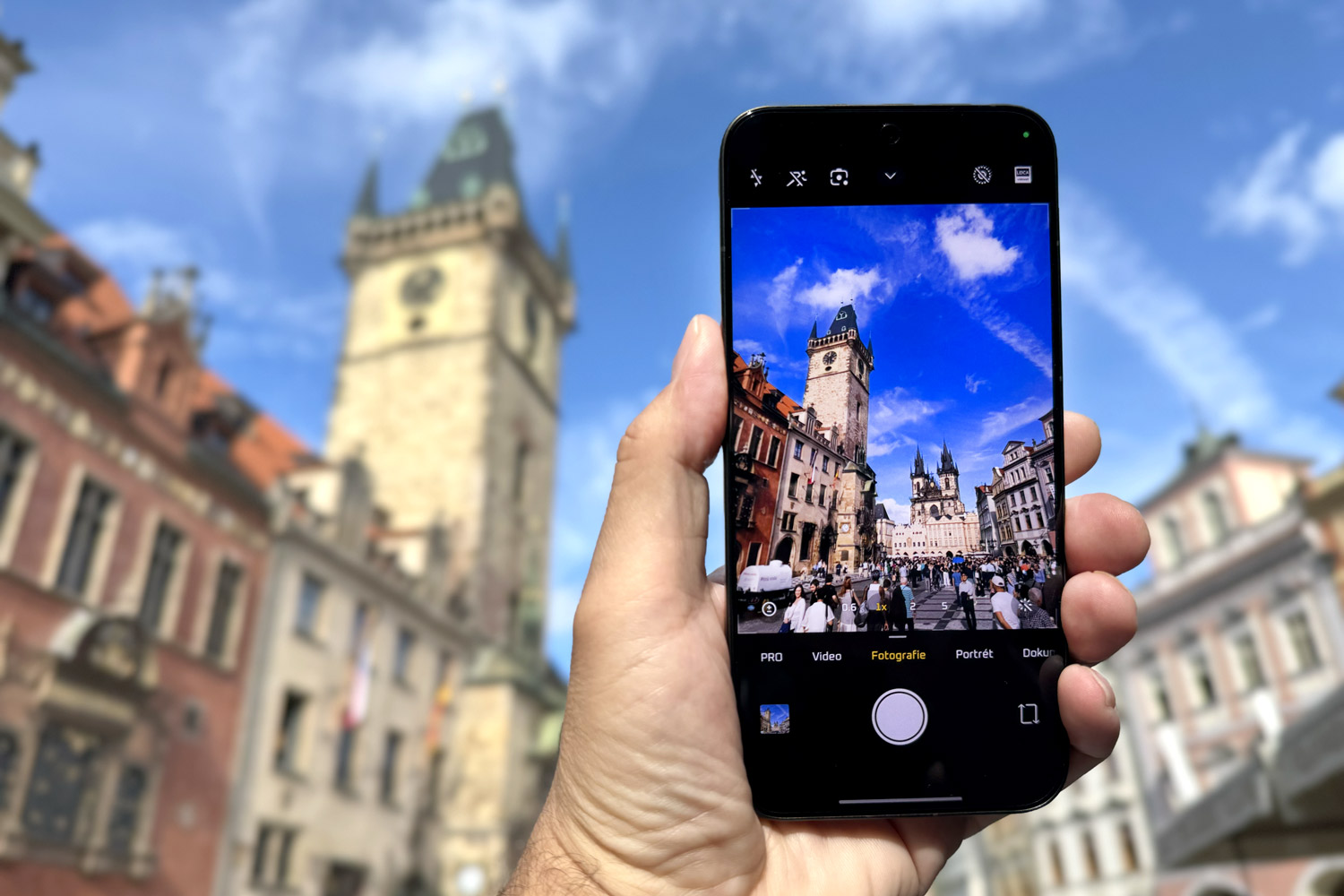
What to expect from the Xiaomi 15T Pro camera? Much like its predecessors, the Xiaomi 15T Pro stands out as one of the brand’s key models, offering impressive performance at a (relatively) reasonable price. Let’s dive into the details — but one thing can be said right away: this is a finely tuned phone with plenty to offer, even for demanding photographers.
Xiaomi 15T Pro – Where it fits and who it’s for
It’s not always easy to pinpoint exactly where a particular model belongs, and the same goes for the Xiaomi 15T Pro. Naturally, it doesn’t make sense to compare it with the flagship Xiaomi 15 Ultra, which is among the very best mobile phones on the market. However, in terms of features and overall performance (see below), the 15T Pro holds its ground against the “smaller flagship,” the Xiaomi 15.
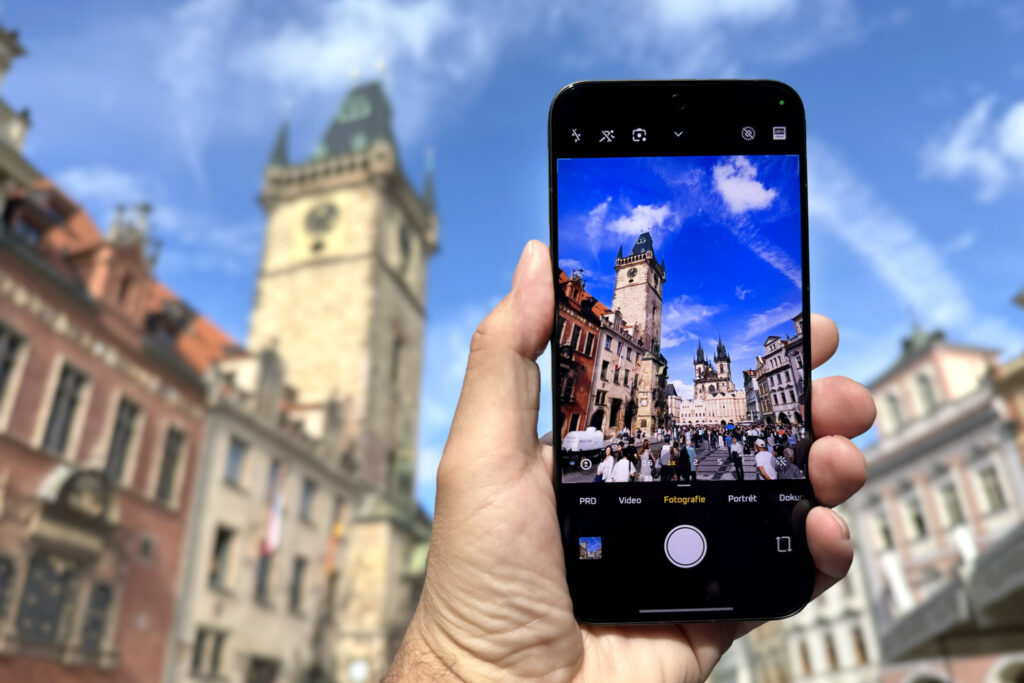
I haven’t yet tested the standard Xiaomi 15T (non-Pro), so I can’t judge how dramatic the difference will be. But this time around, Xiaomi has made the T and T Pro models more distinct than in previous generations. With the 13 series, the differences were negligible; with the 14 series, they were small (a different main sensor and slightly longer telephoto). That’s why in past years I often recommended the non-Pro versions — they just made more sense.
Not this time. The 15T Pro brings a significantly stronger package (especially in its telephoto camera), and its specs and performance make it a legitimate “upper mid-range flagship.”
I had the chance to test the phone for several days before its official launch in Munich. Don’t miss the video walkthrough, edited in HDR, so you can see the images in the same maximum quality I did during testing.
Video Review: How the Xiaomi 15T Pro Shoots – 12 Minutes in HDR 4K
Xiaomi 15T Pro Camera System
As usual, let’s start with the camera hardware.
Specs Overview:
| Xiaomi 15T Pro – camera: Lenses and sensors | |
|---|---|
| Main Camera | 23 mm, 50 Mpx, f/1.62 2.4μm Super Pixel, OIS Light Fusion 900 sensor Size 1/1.3″ |
| Telephoto | 115 mm, 50 MPx, f/3.0 Sensor: Samsung JN5 Size: 1/2.75″ |
| Ultrawide camera | 15mm, 12 Mpx, f/2.2, 120° FOV |
| Front camera | 21mm, 32 Mpx, f/2.2 90° FOV |
The main wide camera has 50 MP and a large sensor (though not the 1-inch one from the 15 Ultra). This is the workhorse lens and produces excellent results, as the sample shots show.
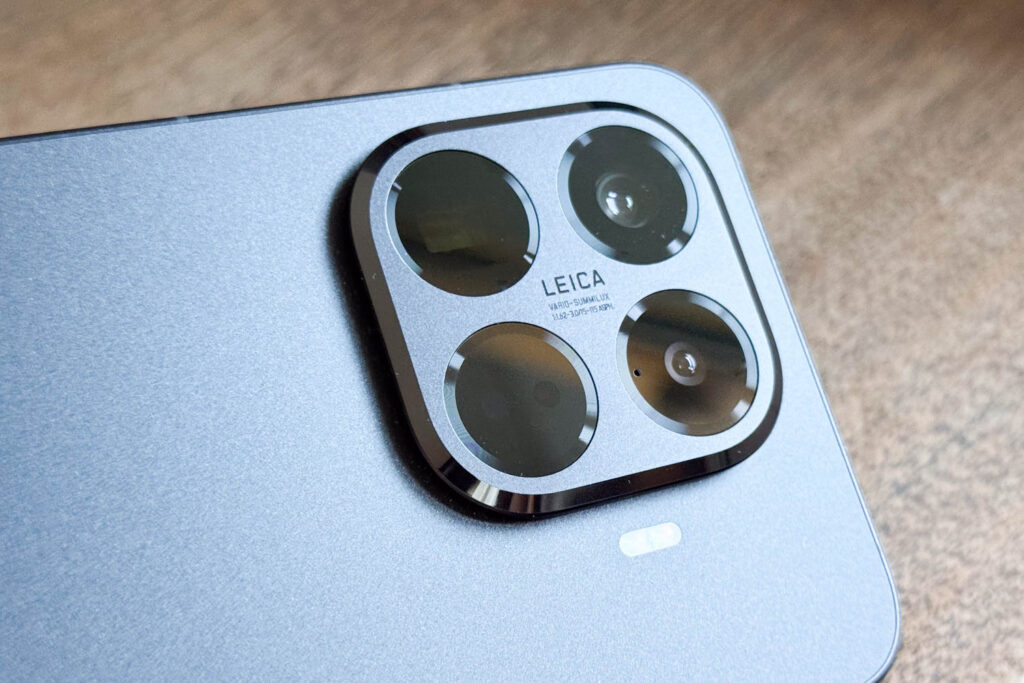

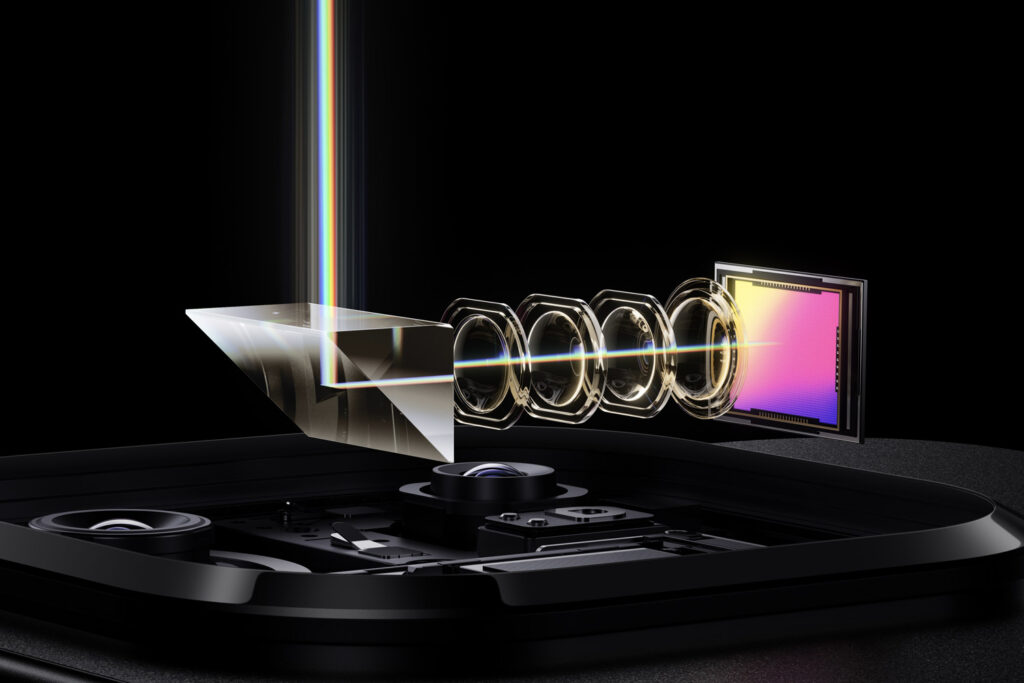
The telephoto lens offers 115 mm 5× optical zoom, also 50 MP. This is a major leap compared to last year’s 60 mm lens and deserves a lot of praise for its performance.

For context, the standard 15T only offers a 2× telephoto (46 mm), which makes the Pro version’s 5× zoom a huge differentiator. Thanks to the dual 50 MP sensors, digital zoom is also more useful — you can push it up to 100×, though quality drops off quickly at extreme levels. Still, for a mid-range flagship, the results are surprisingly good.
The ultra-wide camera is 15 mm with 12 MP, which is perfectly fine for everyday use, though naturally a step down from the 50 MP sensors.

The selfie camera has 21 mm (cropped to ~26 mm in portrait mode) and 32 MP. I didn’t test it extensively, but one shot was good enough that I included it in my video — for the first time ever.
As with other Xiaomi devices, Leica’s collaboration shines through — you can shoot in Leica Authentic or Leica Vibrant modes, plus enjoy Leica’s signature filters. Personally, I lean toward Vibrant, which gives realistic but not oversaturated colors.

Xiaomi 15T Pro – What I Liked
The phone is an exceptionally well-tuned model. Everything — from image processing to hardware to lens variety — fits together smoothly. It just works, whether for casual use or ambitious photography.

The 5× telephoto is a game-changer. In past T series reviews, I almost always recommended the non-Pro. Not this time. The 5× zoom paired with a 50 MP sensor elevates the Pro to a new level.


Digital zoom is surprisingly solid. From 5×, you can stretch digital zoom to 15–20× with very usable results — great for concerts or stage photography. Even 60× shots are still somewhat usable.
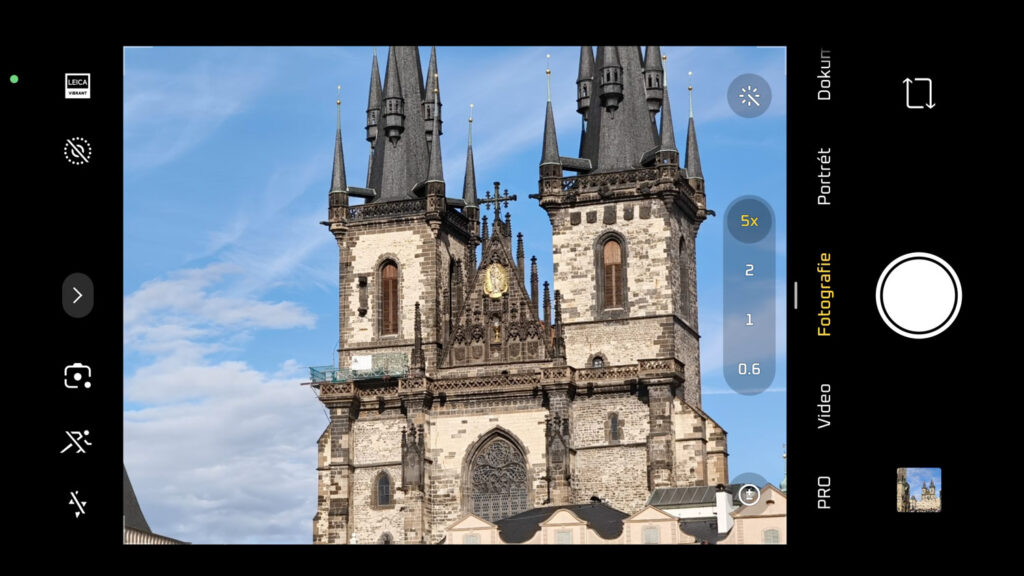

Image quality is consistently stable. Many phones (including Xiaomi’s past models) occasionally produce off-color shots — too yellow, too blue, oversaturated, or flat. I didn’t see any of that here.

Portrait mode finally makes sense. Gone are the days of gimmicky “swirly bokeh.” Now you just toggle between 1×, 2×, and 5× for clean, natural portraits.

Leica Vibrant feels like the new default. The mode now produces realistic, punchy colors without being over the top. The old dilemma between Vibrant (too saturated) and Authentic (too desaturated) is gone.
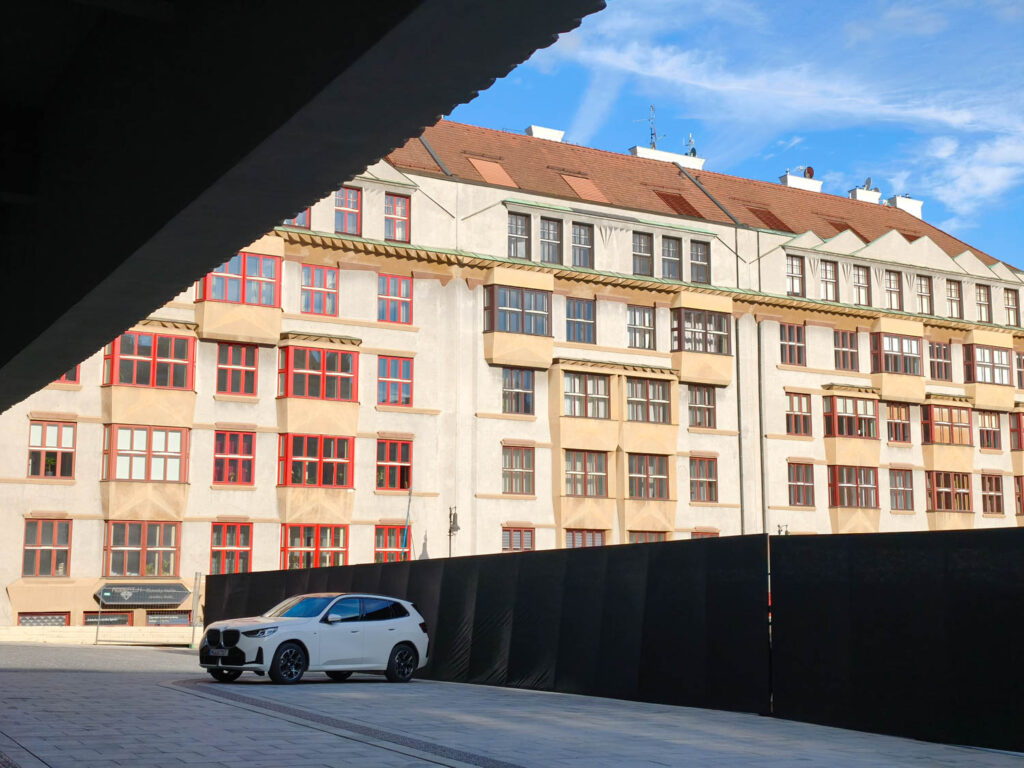
Shooting in 50 MP is more practical than before. In the past, full-res shots were more of a technical curiosity. Now they’re sharper and more usable, especially when you want maximum detail.

Video performance is strong. Up to 8K (mostly a gimmick), or 4K up to 120 fps. Crucially, you can enable HDR10+ up to 60 fps, which looks stunning.
Watch Out For
The ultra-wide lens is the weak link. At 12 MP, its shots lag behind the main and telephoto cameras, especially in night scenes where noise creeps in.

The main sensor is the same as last year. While the telephoto is a big upgrade, the main camera specs are unchanged from the previous generation. Processing algorithms have improved, but the sensor itself hasn’t.

HDR (HDR10+) video isn’t on by default. You need to enable it manually. Not a dealbreaker, but a pity, since HDR makes videos look far better.

Xiaomi 15T Pro – Two-Sentence Summary
The Xiaomi 15T Pro redefines what we can expect from this class of phone: its 5× telephoto zoom and excellent image processing make it a finely tuned device even for serious photography. In the past, the “Pro” versions of the T series weren’t worth it — this year, that changes.
Xiaomi 15T Pro
Review Summary: The Xiaomi 15T Pro redefines what we can expect from this class of phone: its 5× telephoto zoom and excellent image processing make it a finely tuned device even for serious photography. In the past, the “Pro” versions of the T series weren’t worth it — this year, that changes.
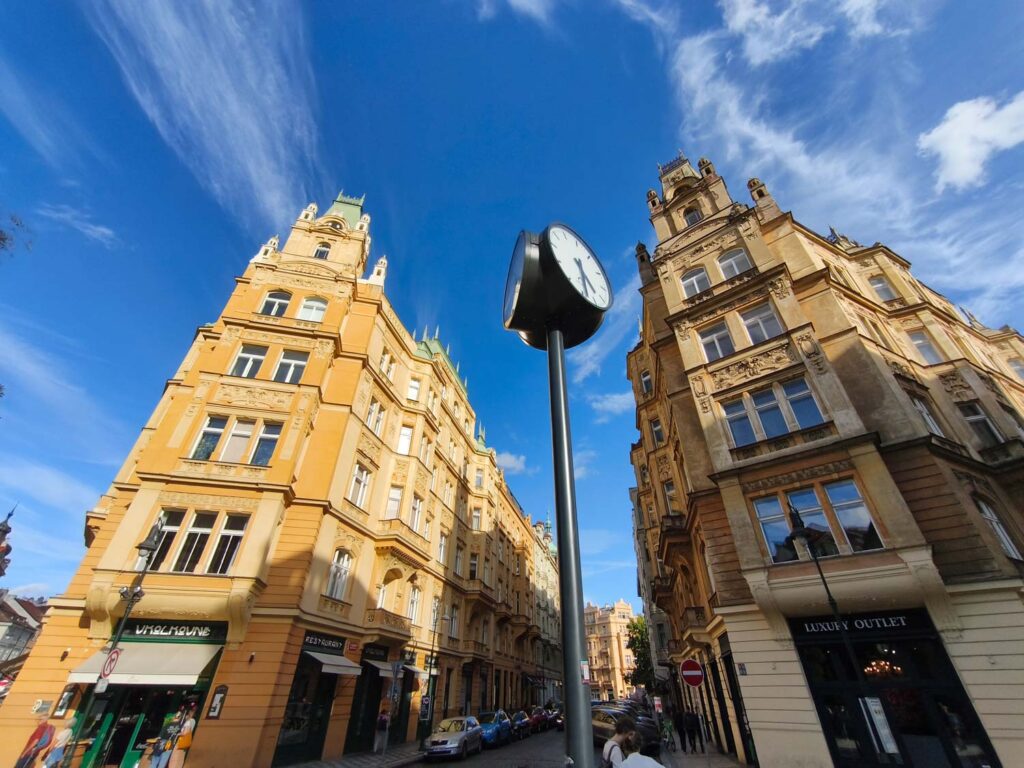
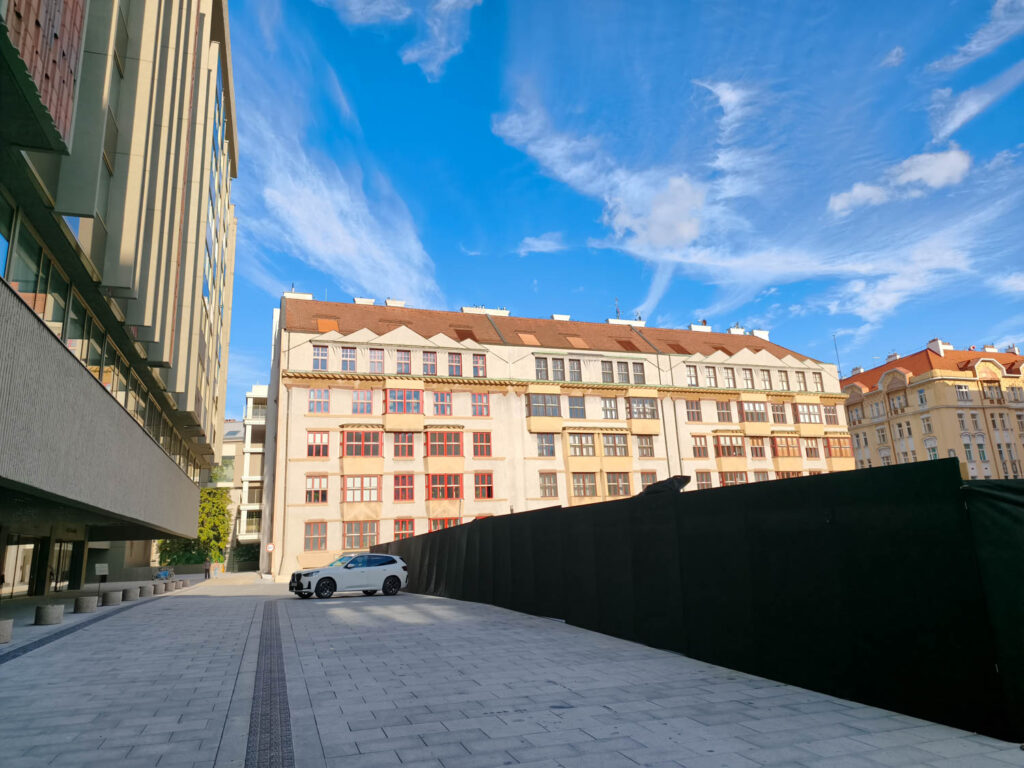
More test photos















































Leave a Reply