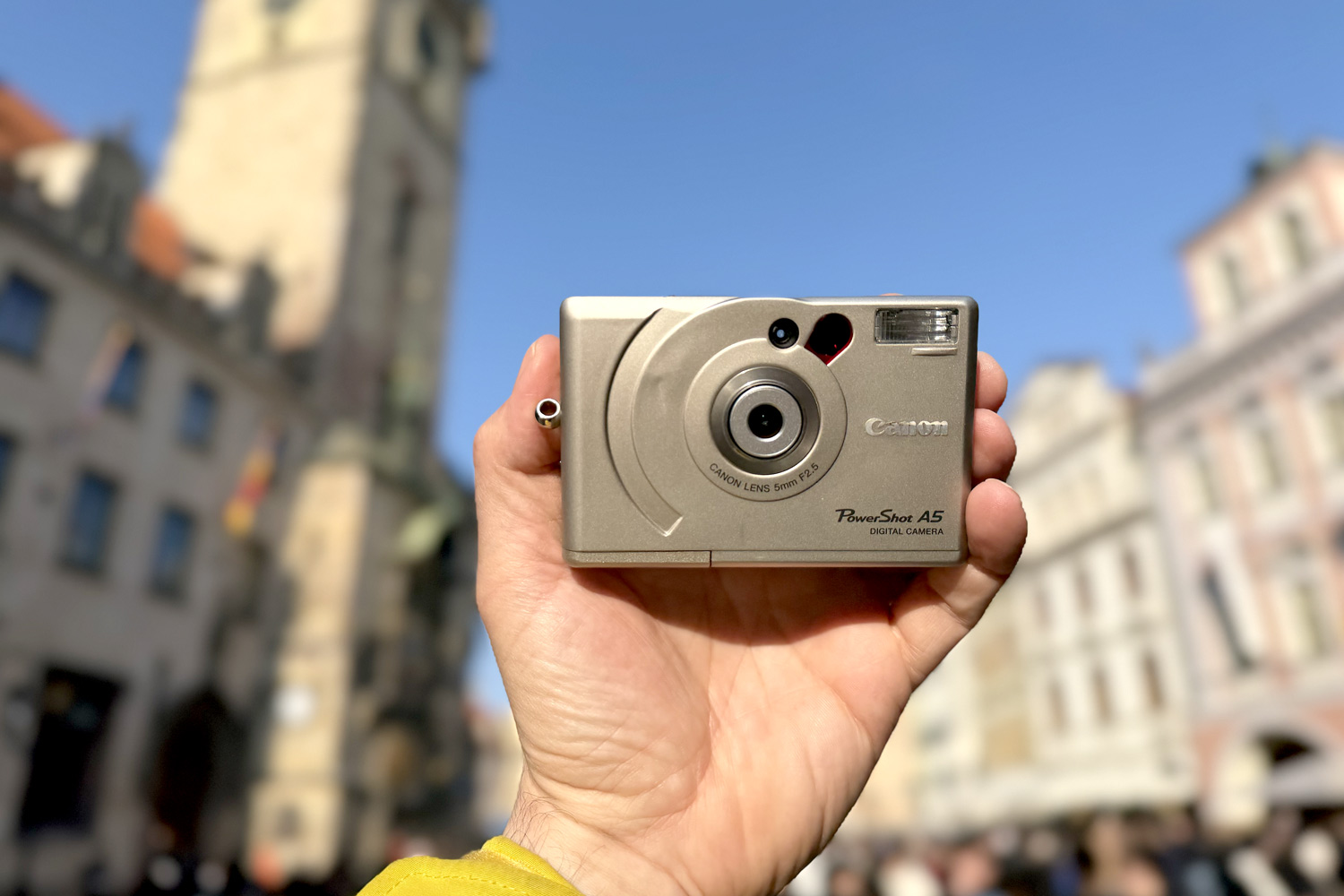
What happens when you head out to shoot Prague with a compact camera that’s nearly 30 years old? It might sound a bit boring, but in the end, this experiment was more thrilling than I expected. And I enjoyed it immensely. So, here is a “retro review” of the Canon PowerShot A5 from 1998.
Canon Celebrates 30 Years of PowerShot Cameras – So I Played Around…
This is a slightly atypical article, which I nonetheless had a blast preparing. I admit, I love to experiment. So, I decided to test what photos from a compact camera nearly thirty years old would look like.
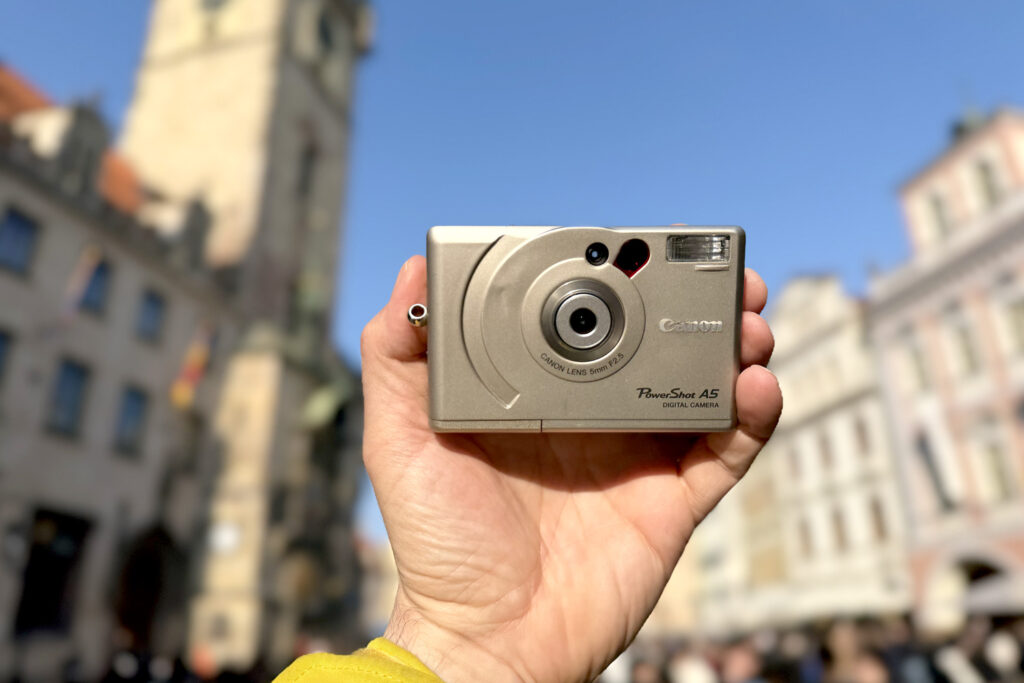
You see: Canon is celebrating thirty years of the PowerShot series, and various commemorative and retrospective materials are appearing in press releases and other media. And when I spotted these beautiful old cameras “live” at a Prague technology event, I didn’t hesitate for a minute. I borrowed one of the oldest pieces that the Prague branch of Canon has in its (legendary) collection: the Canon PowerShot A5 from 1998.

I was simply curious about what kind of photos would “come out” of this old-timer and how not only the photo quality but also the controls, settings, and menus have changed over the years. In short, everything. I didn’t expect anything profound, and you shouldn’t either. But the experiment ultimately truly thrilled me. Those photos from the depths of history simply have their own great charm.
Video: PowerShot from 1998 in Action: The Magic of Retro Shooting – 7 min in 4K
Canon PowerShot A5: 0.8 Mpx and 1024 x 768 px Photos
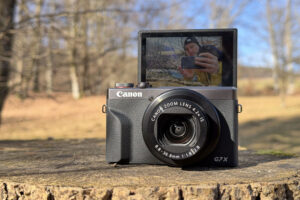
The first Canon PowerShot 600 appeared on the market in July 1996, but I eventually chose its slightly younger relative from April 1998: the Canon PowerShot A5. This was a unique camera in its time, aimed at a wide audience—the Canon Museum pages list its starting price at 74,800 Japanese yen, which was roughly 600 USD back then. After a quick conversion to today’s prices, it would be roughly 1000 USD—which is (again, very roughly) the price of today’s PowerShots. You will find a review of the anniversary edition of the famous PowerShot G7 X Mark III here at this link soon.
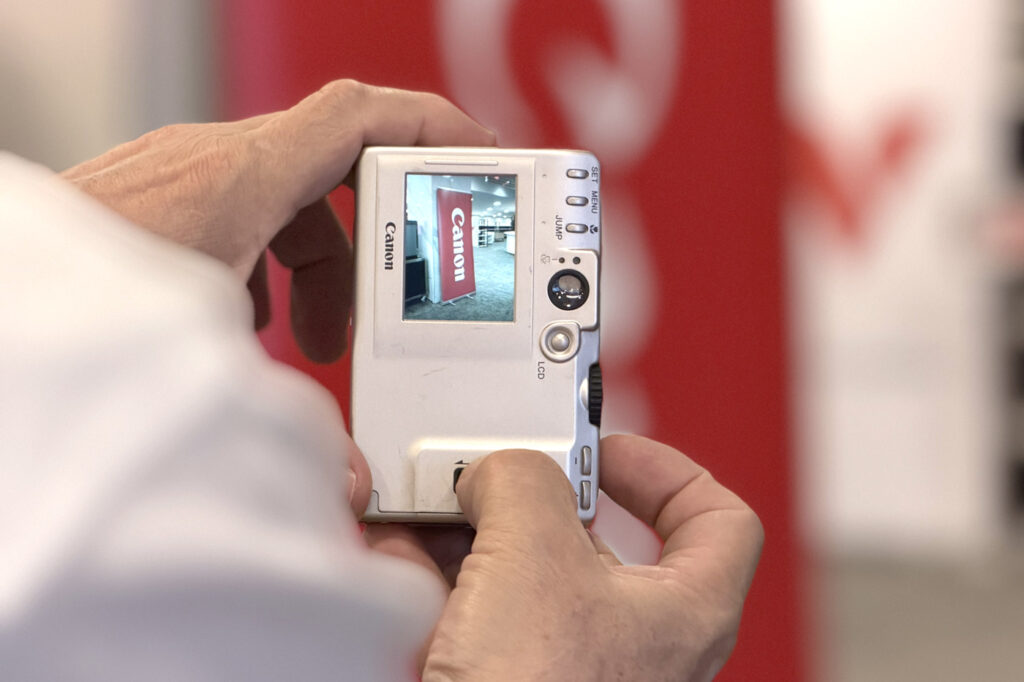
Before heading out into the streets, I thoroughly enjoyed exploring the settings and menus. Many things are the same or similar, but of course, a lot of years have passed since then: three decades in technology is like an eternity.
So, what are the main specs? The sensor had roughly 0.8 megapixels (yes, mobile phones commonly have 200 Mpx today), the sensor was small (1/3-inch), and the resulting photos have a size of 1024 x 768 px.
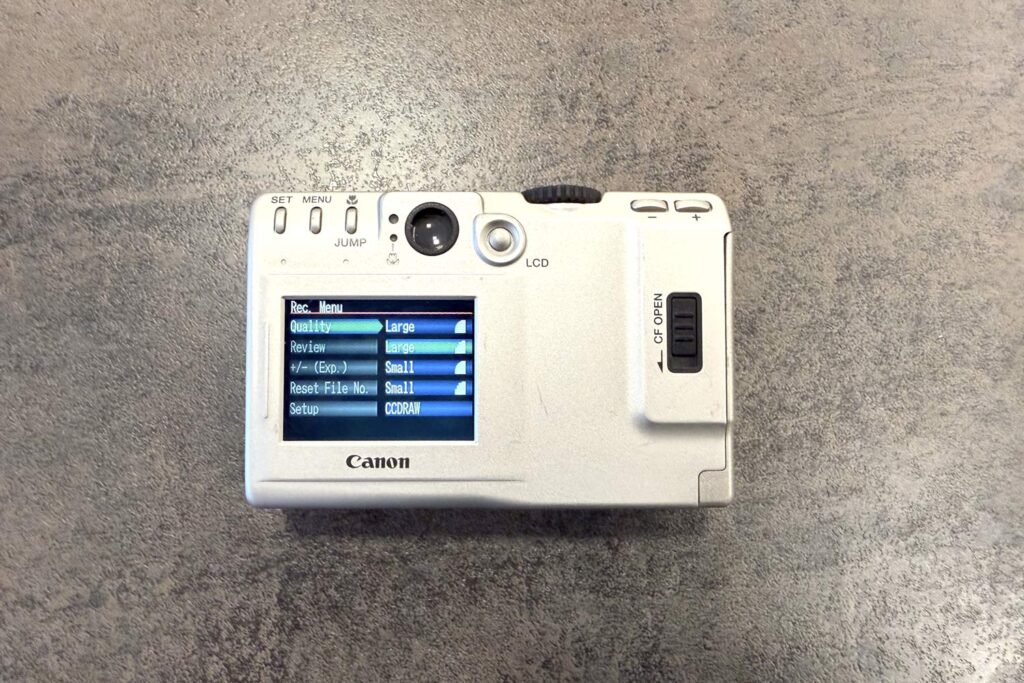
And what could be adjusted? Well, there wasn’t much. You would search in vain, for example, for the option to set ISO—the camera did that itself, and during my experiments, it was always 100, though theoretically, it should be 400 in low light. You could set the size of the resulting photo, similar to modern Canons, and also exposure compensation (brightening or darkening the photo).
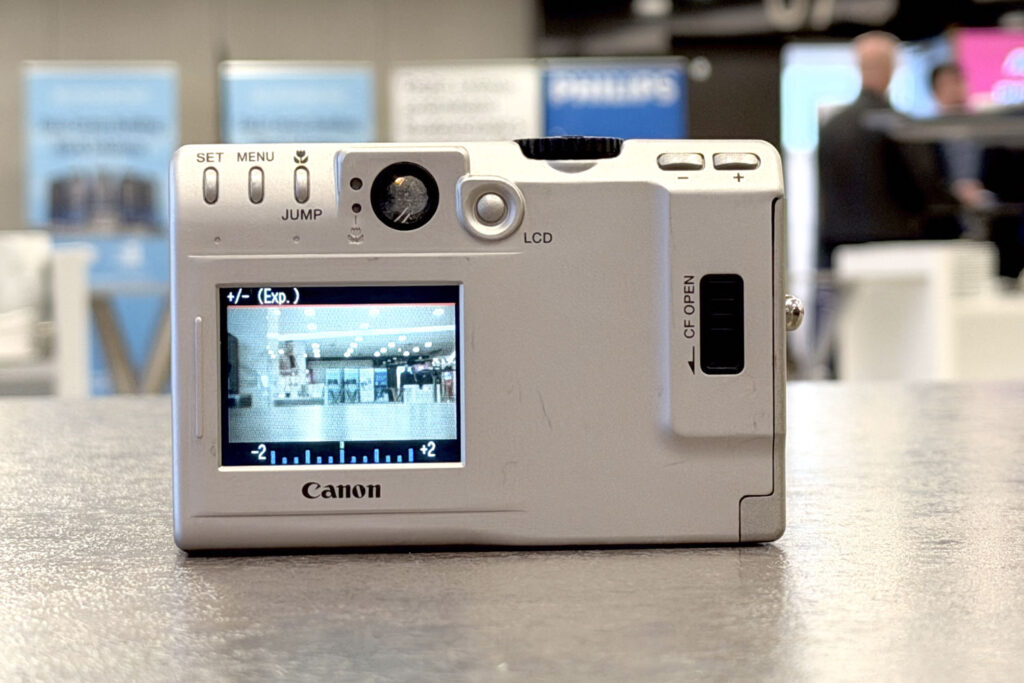
The lens was fixed, roughly 35mm equivalent to full frame, and it could also function in macro mode (which I didn’t have much luck with). Among the modes, there was full auto and even the famous “P”—Program. However, it doesn’t differ much from full auto here—if I understood correctly, in P it is additionally possible, for example, to regulate when the flash fires or doesn’t.
In short: it was truly tempting to explore all of this—and I really felt a bit like an archaeologist discovering long-forgotten worlds.
Into the Streets! How Does the Old-Timer perfoms?
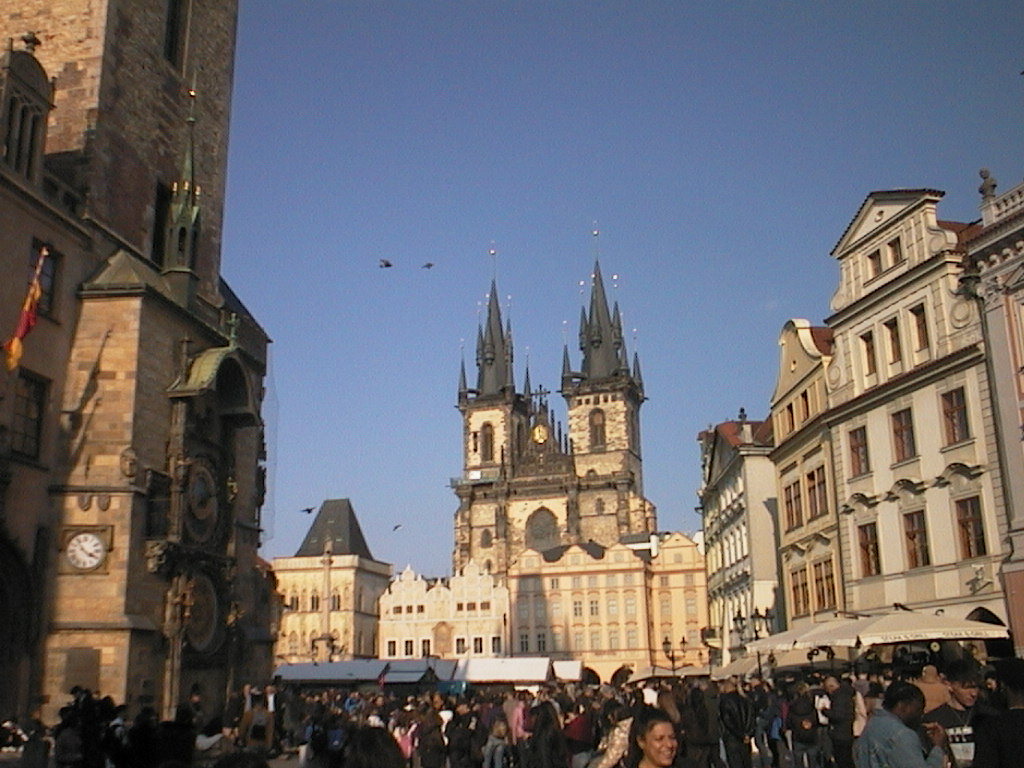
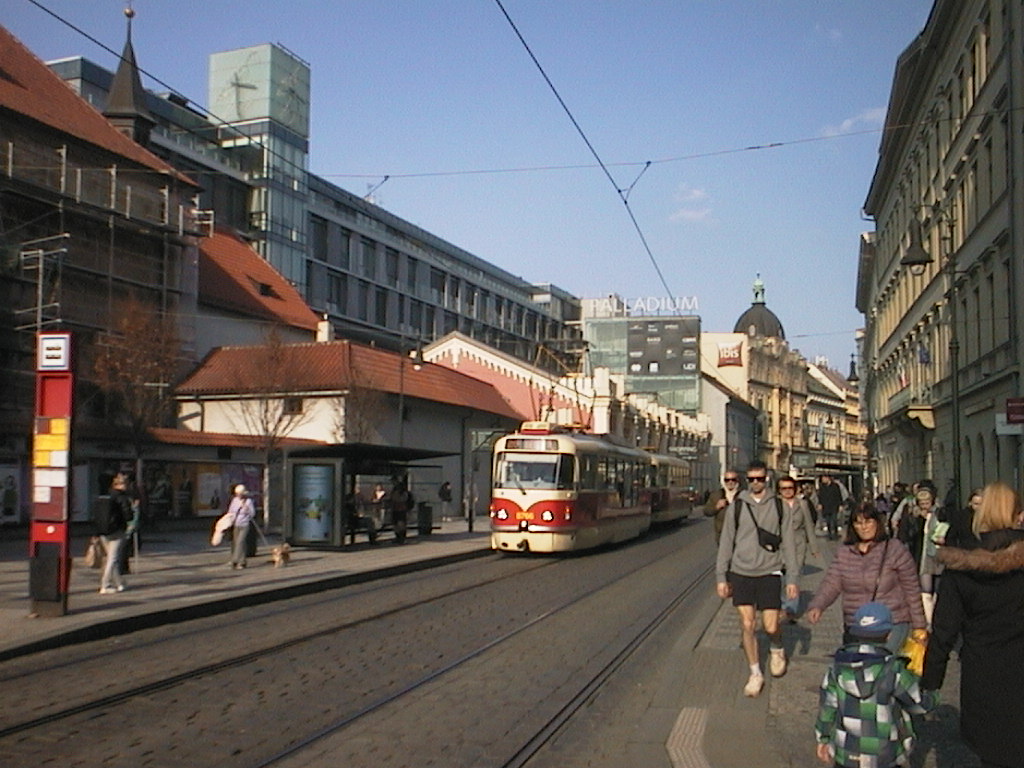
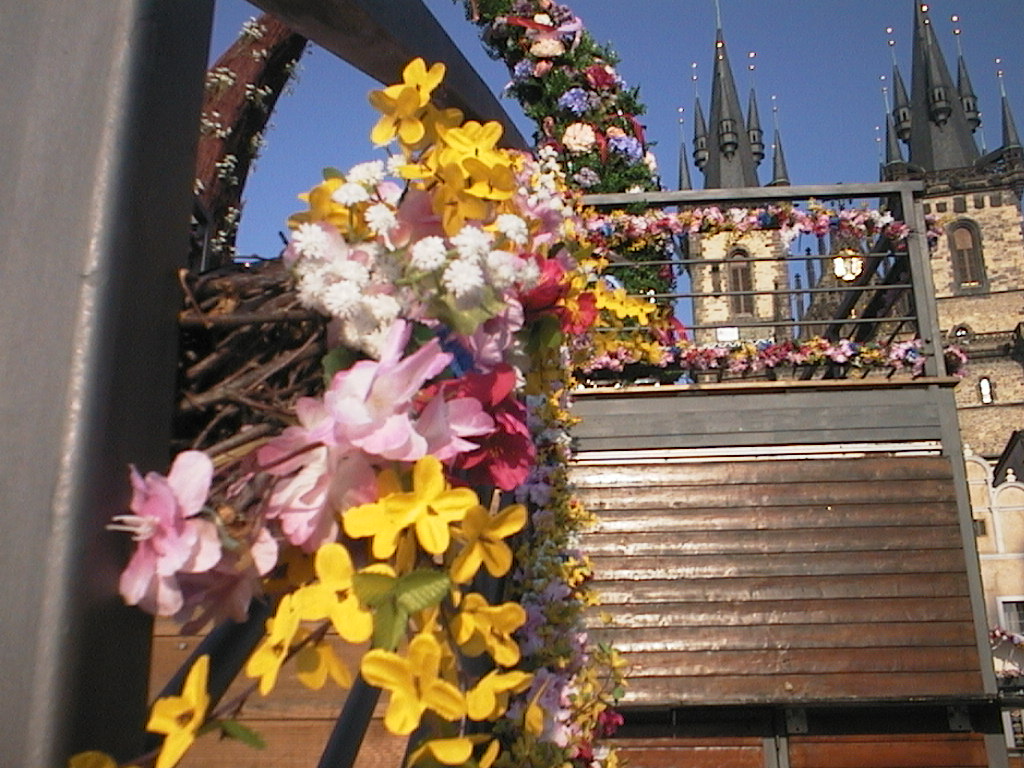
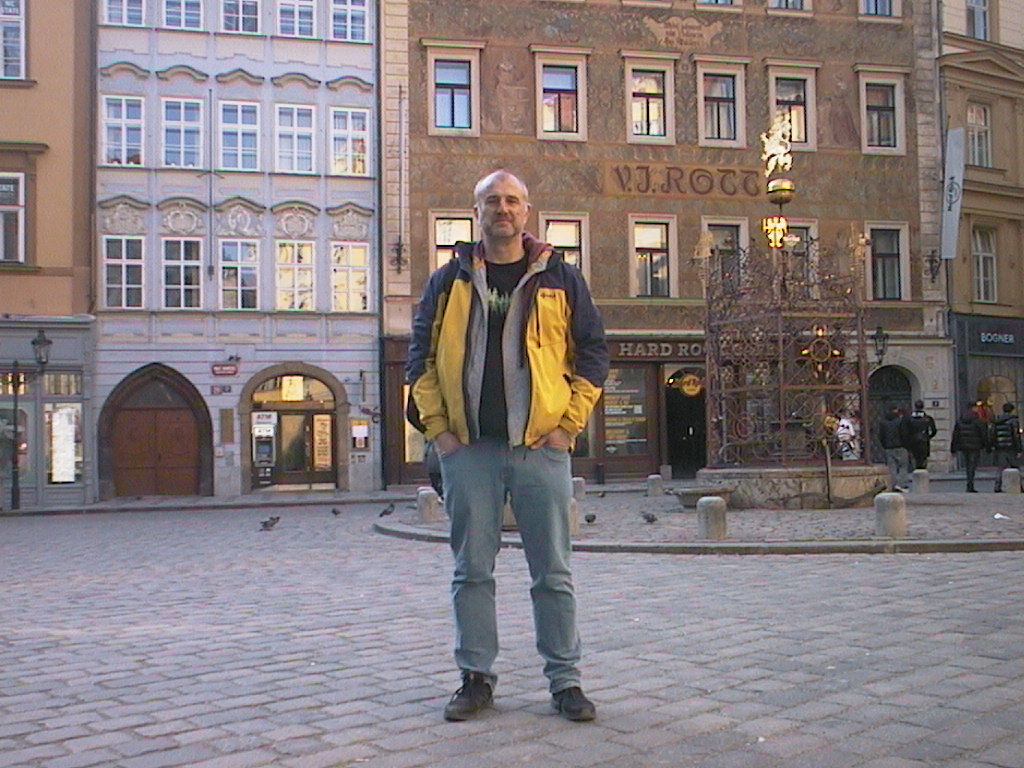
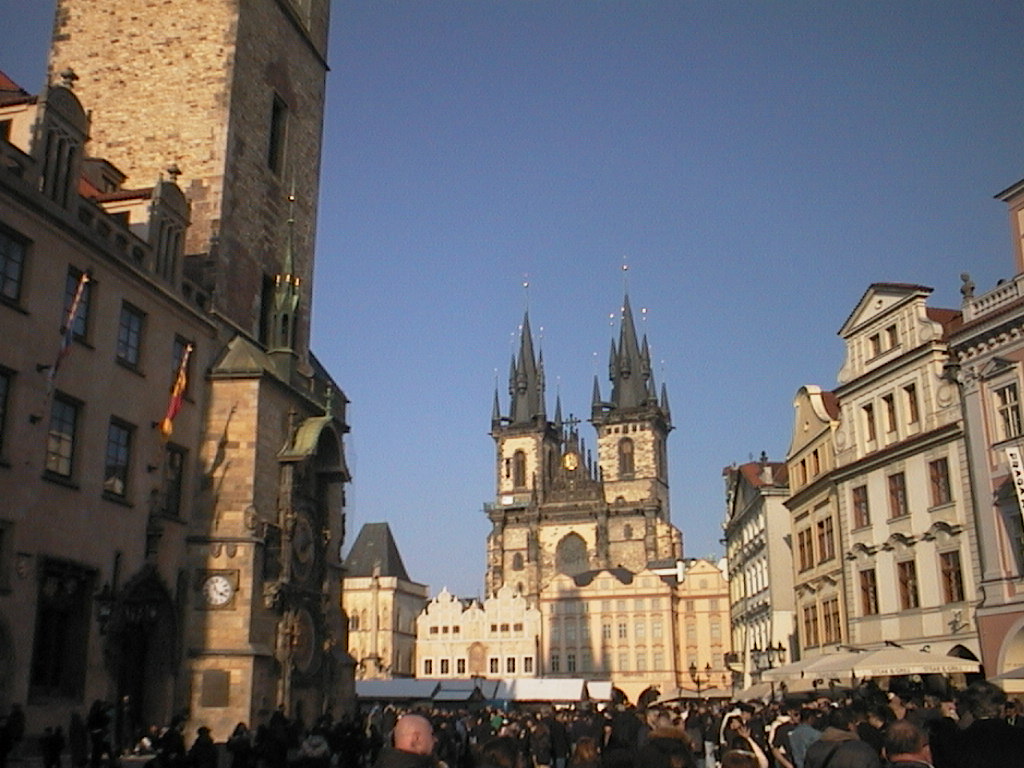
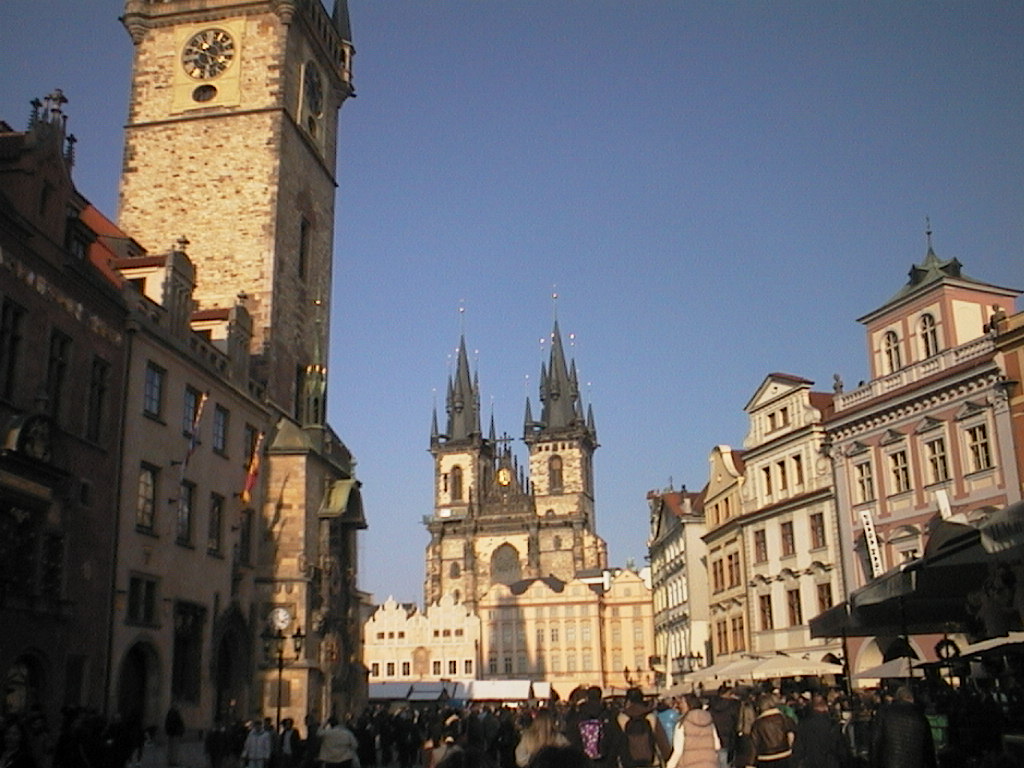
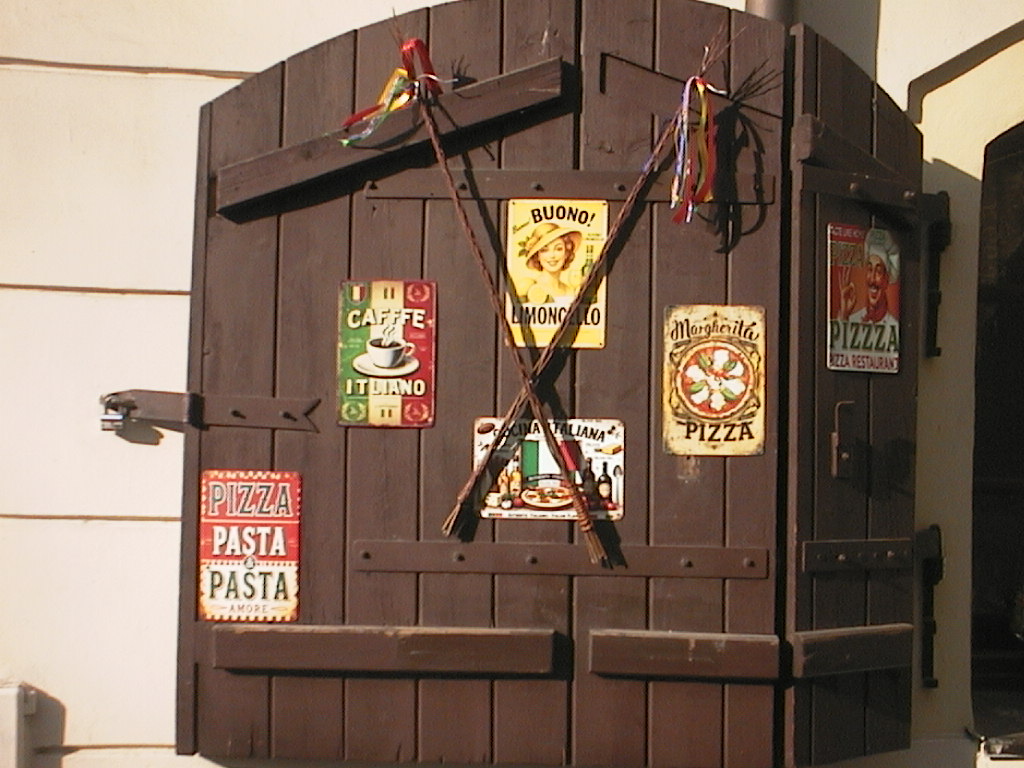
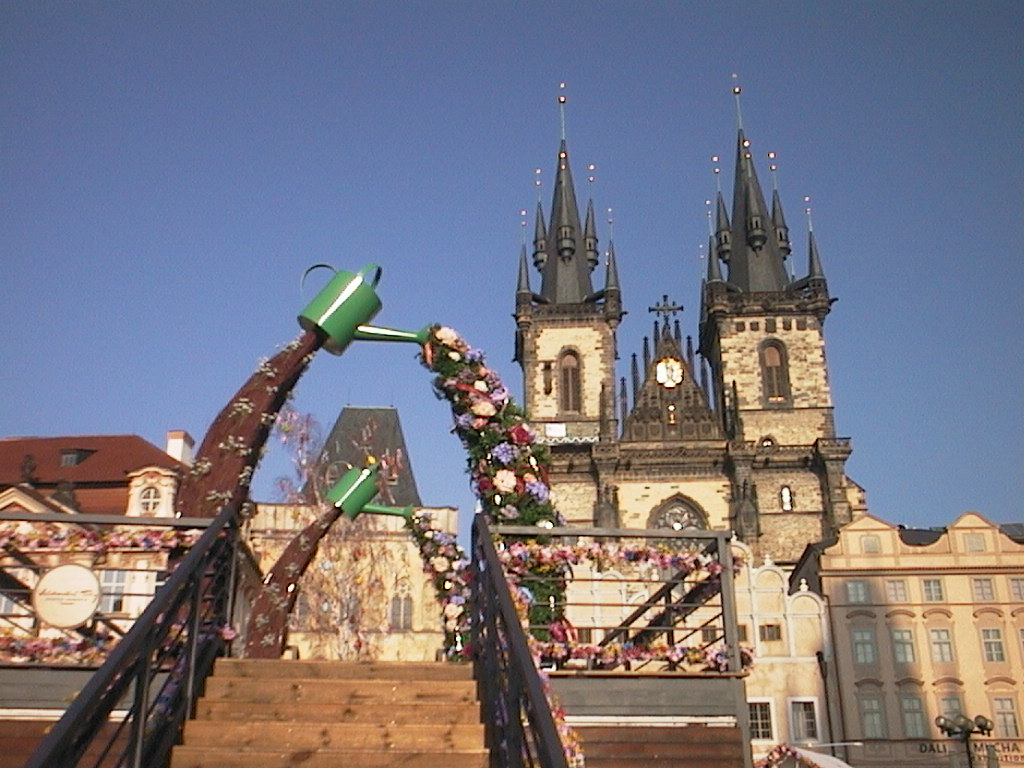
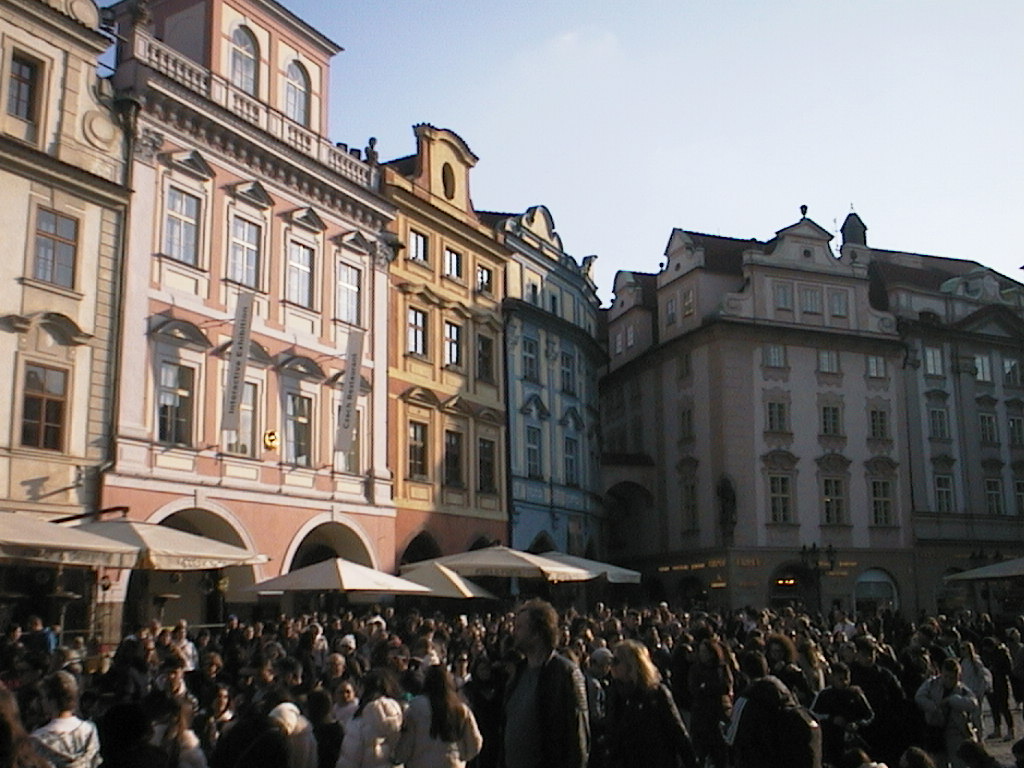
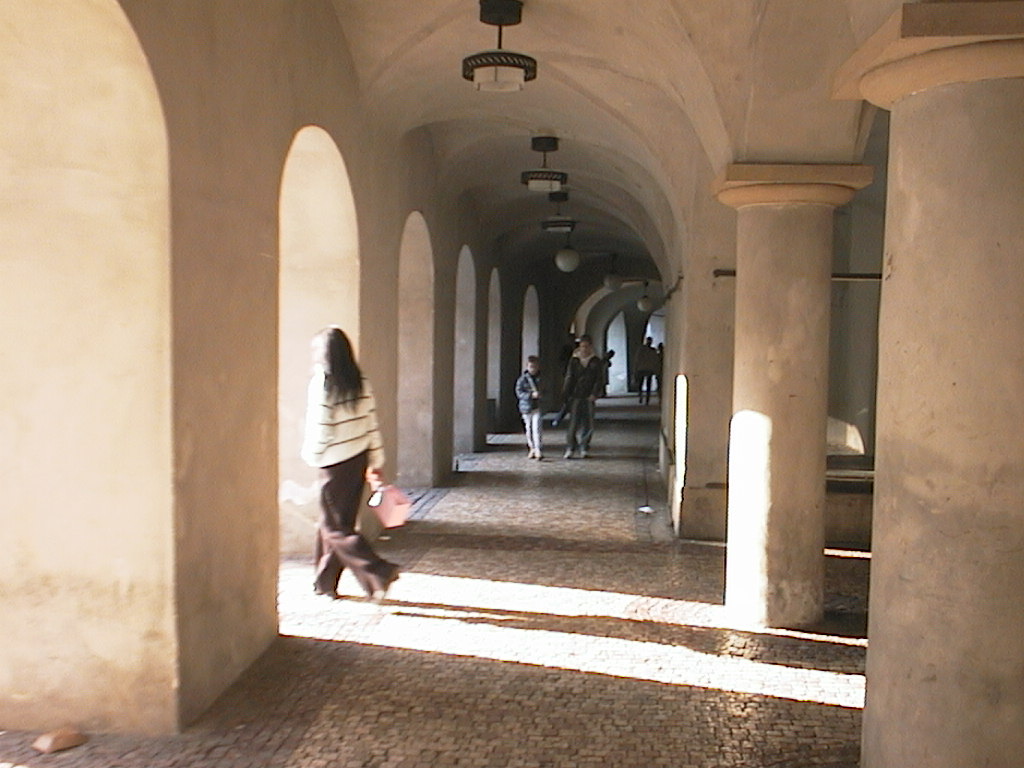
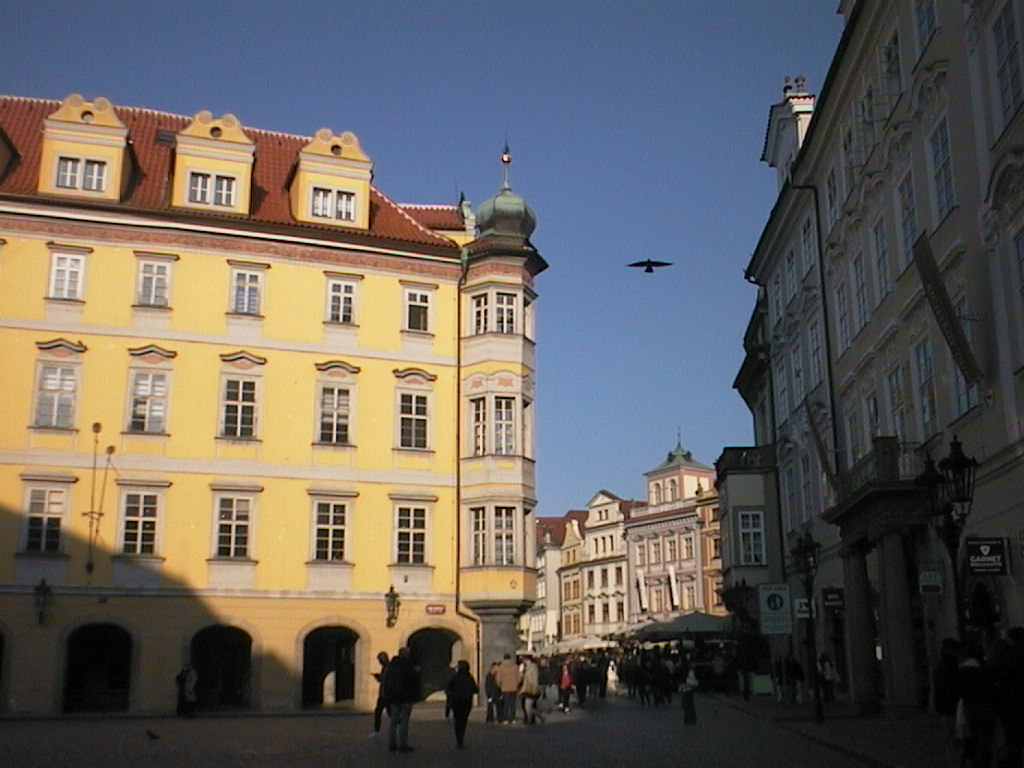
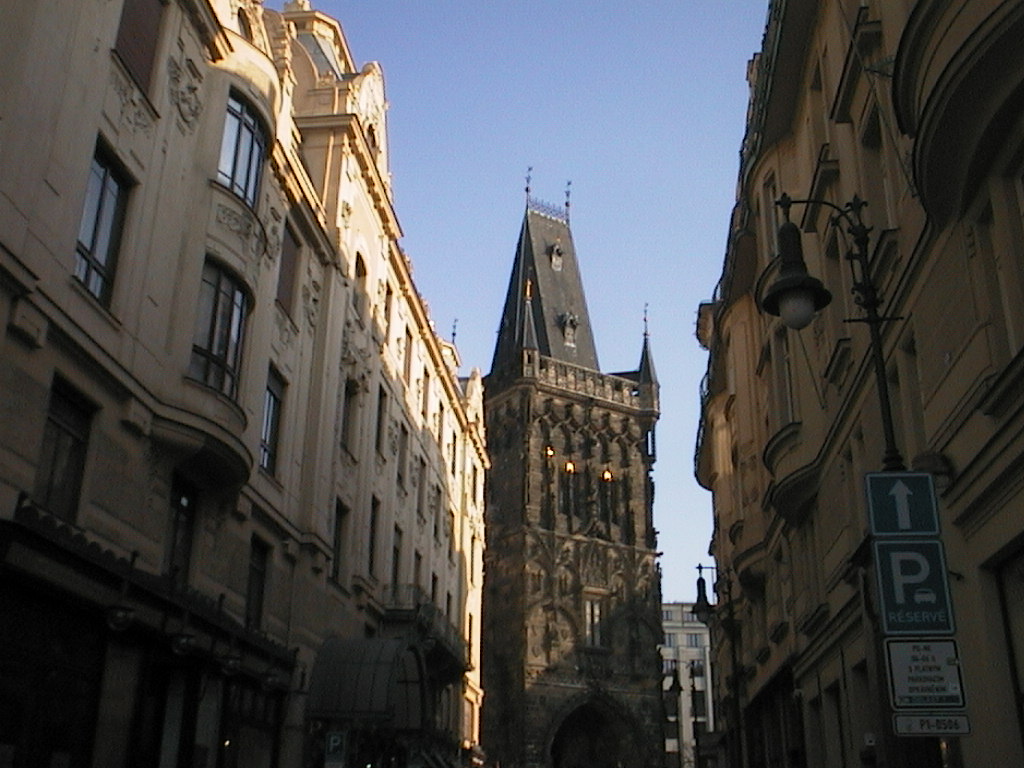
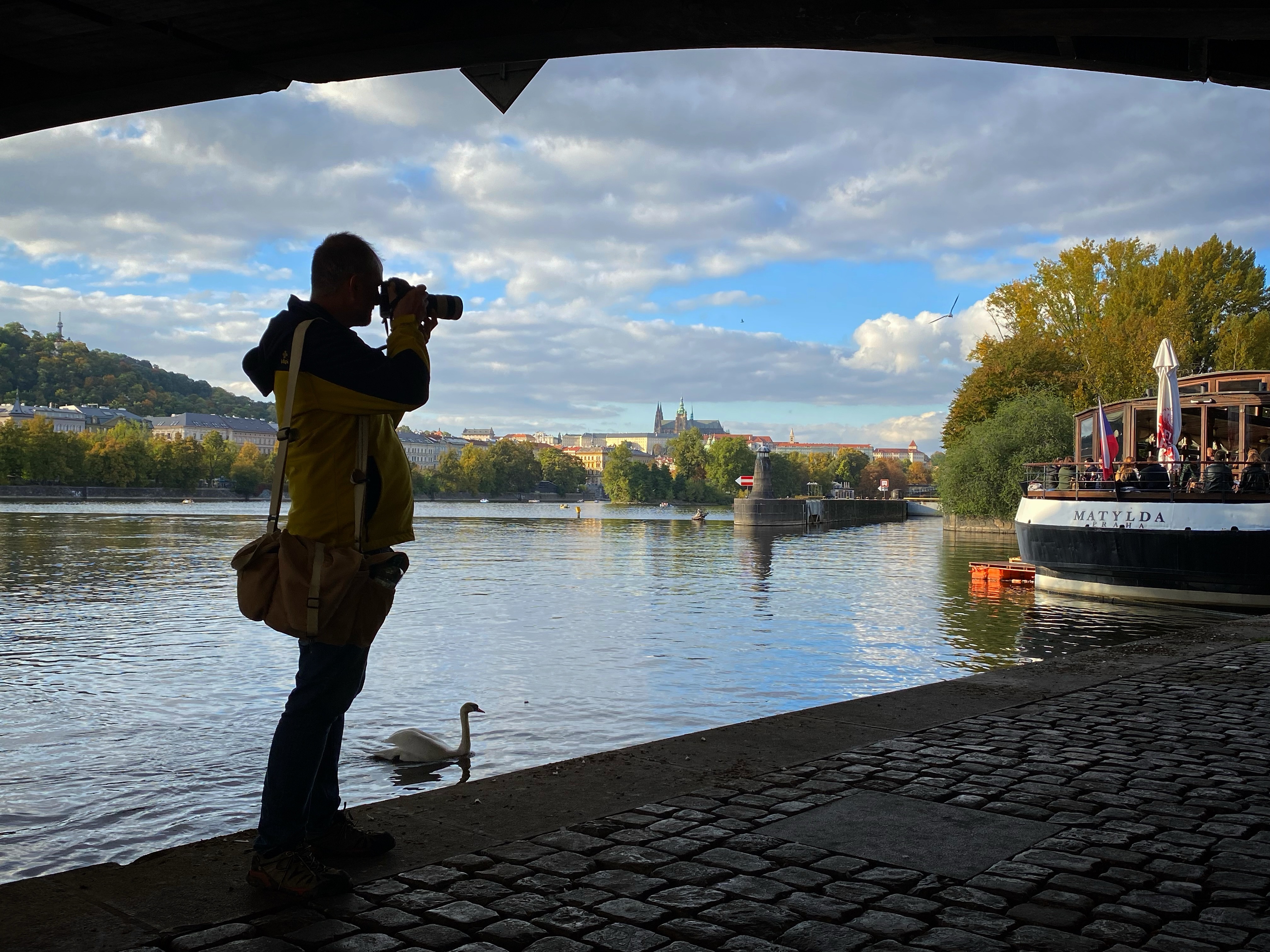
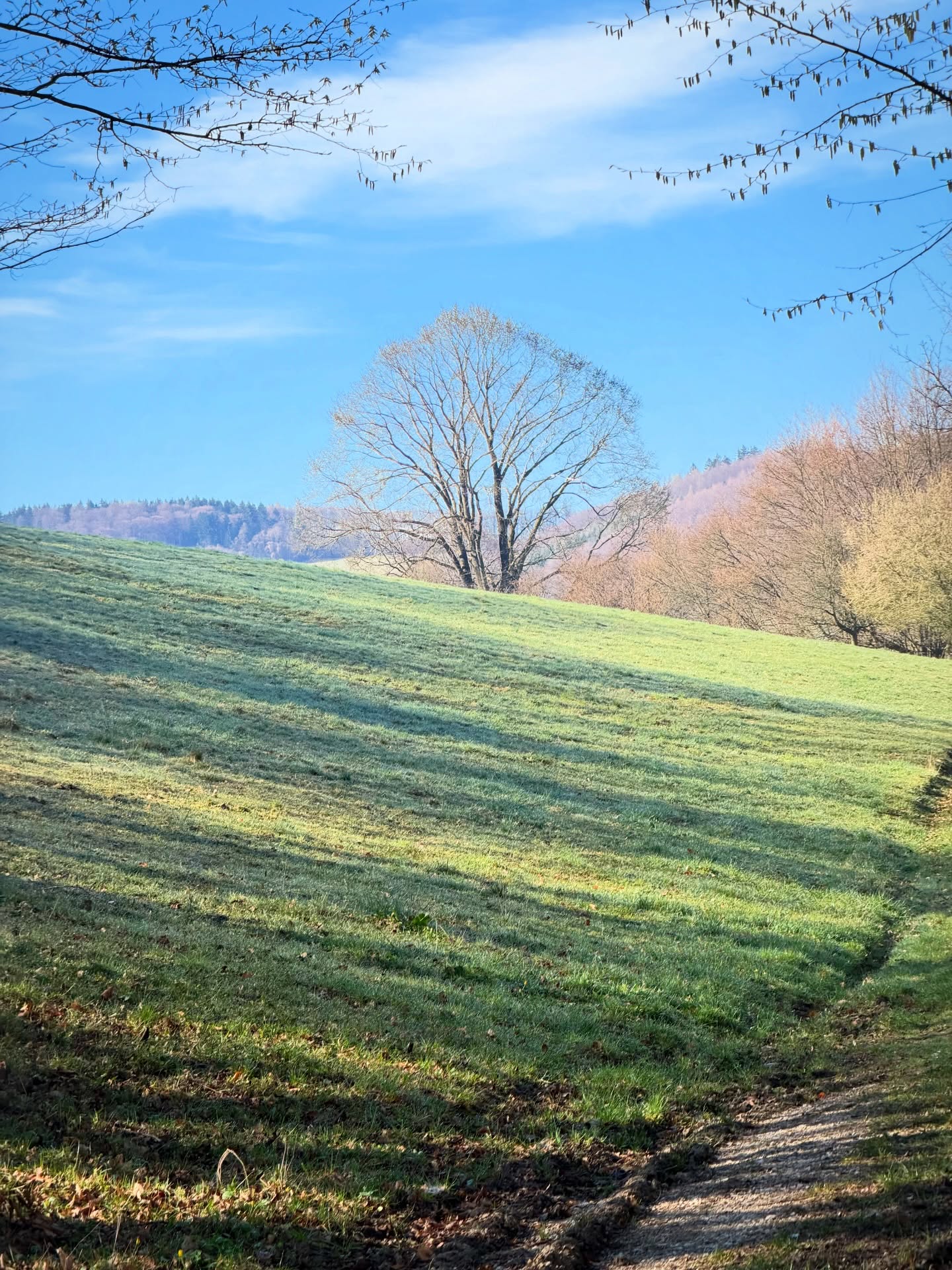
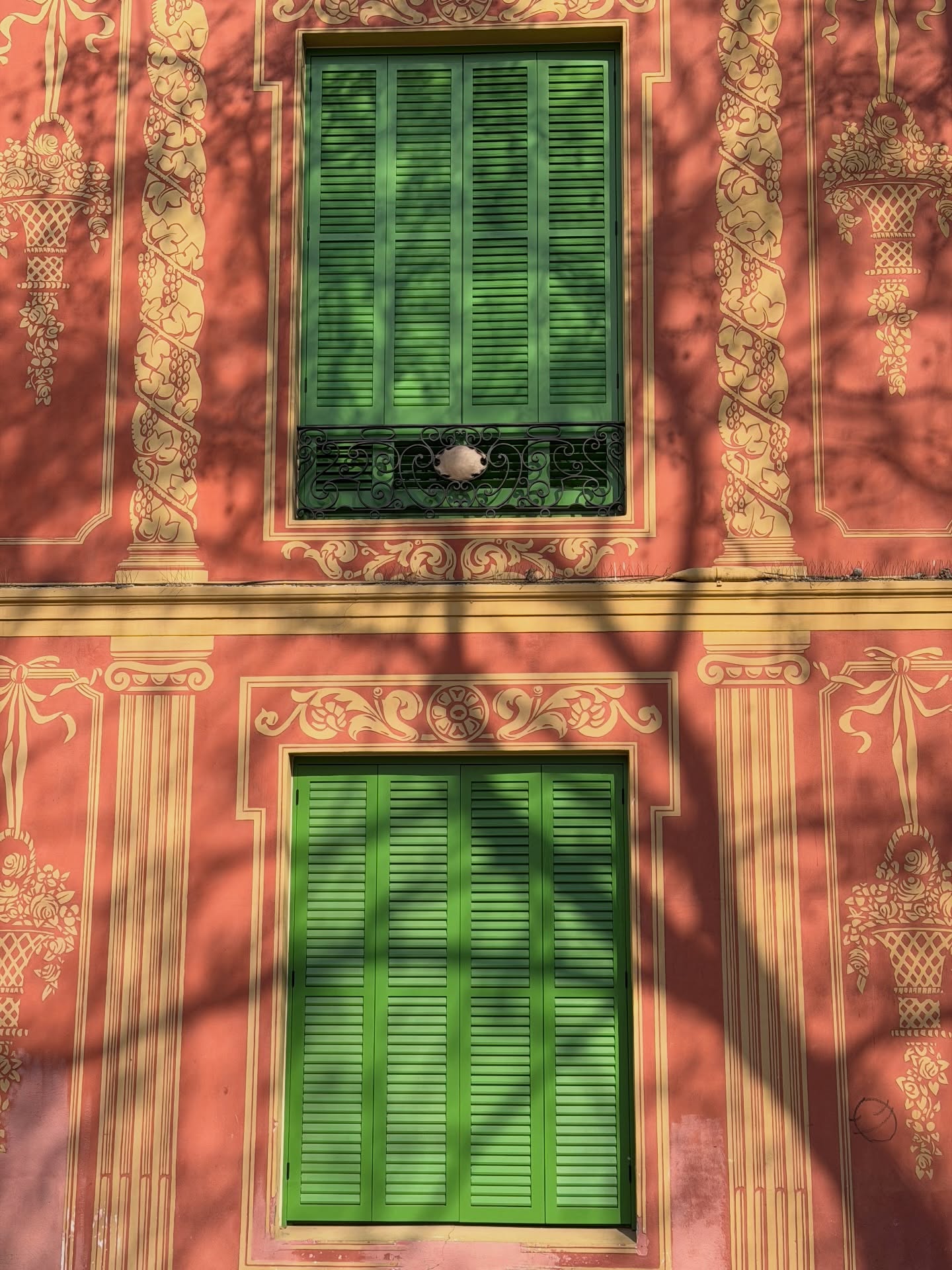
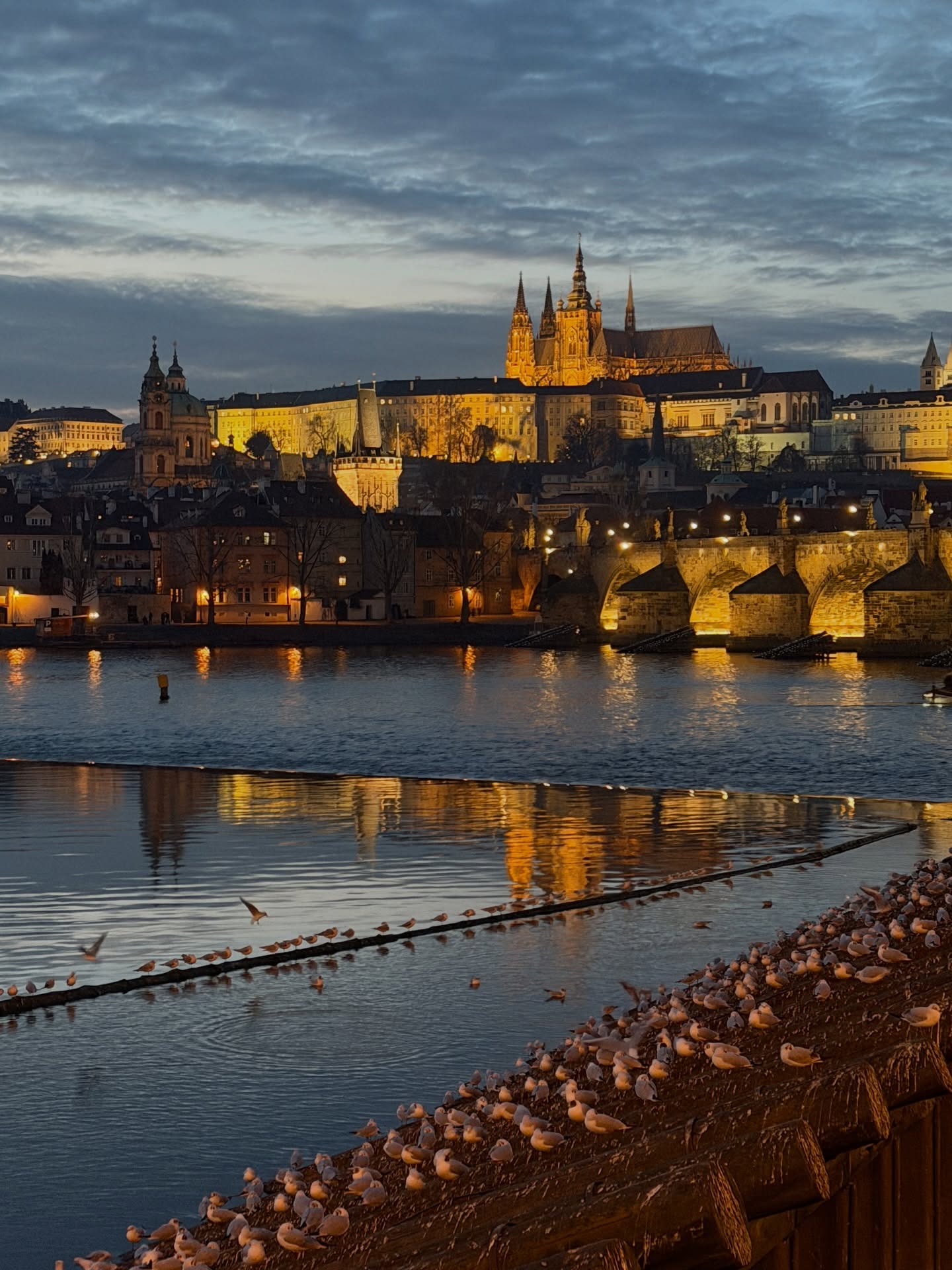
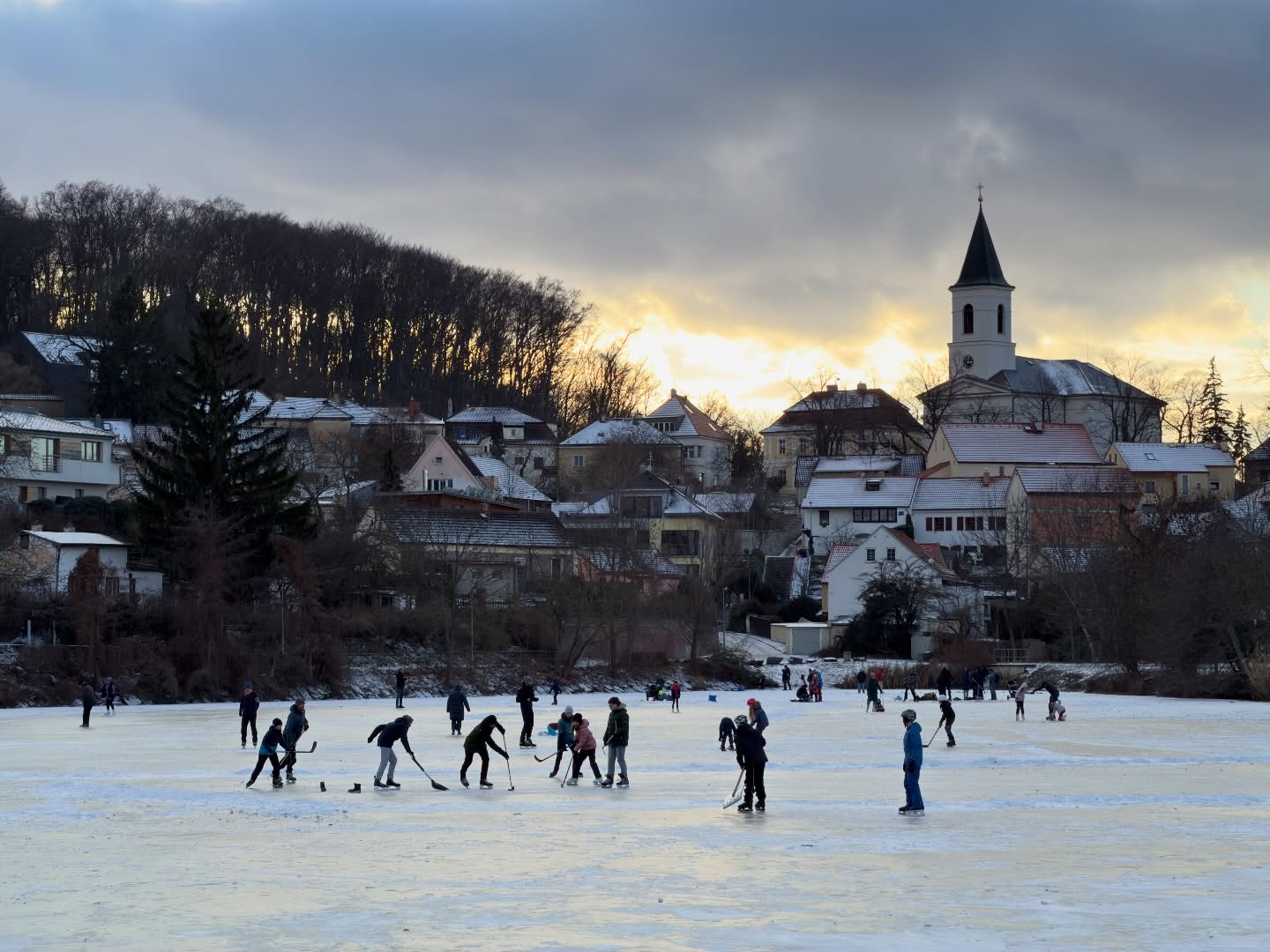
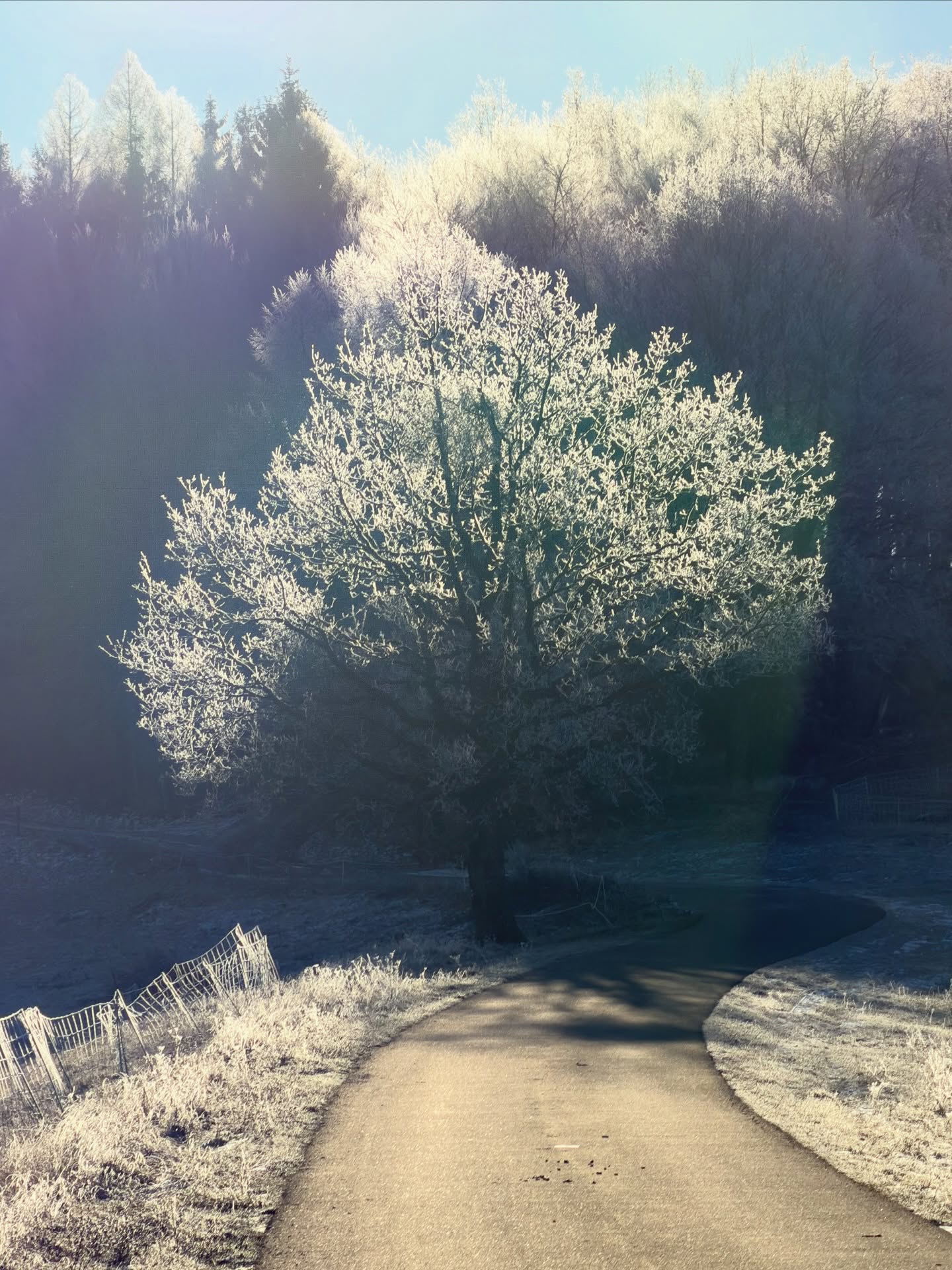
And how do the photos turn out? You can see that best from the samples on this page and in the video—the answer depends on what expectations you start playing and shooting with.
Of course, you quickly remind yourself of the banal fact that digital photography has come a huge way in three decades. In 1998, this was more of a toy. Analog cameras could, of course, do much more: while you could have perfectly flawless photos from a classic “film” machine, the results from this plastic toy likely raised doubts for many back then as to whether digital photography even had a future.
Yes, it sounds slightly unbelievable, but many photographers back then simply didn’t believe that digital photos would ever become a competitor to “analog” photos. Let’s remember that at the time enthusiasts were buying this compact, it was still 10 or rather 15 years before the biggest waves of popularity for digital SLRs (sometime around 2010-13).
On the other hand, it remains true that the photos are simply magical. They can be criticized for technical imperfection, a minimum of setting options, and small dimensions (almost) unusable for printing photos.
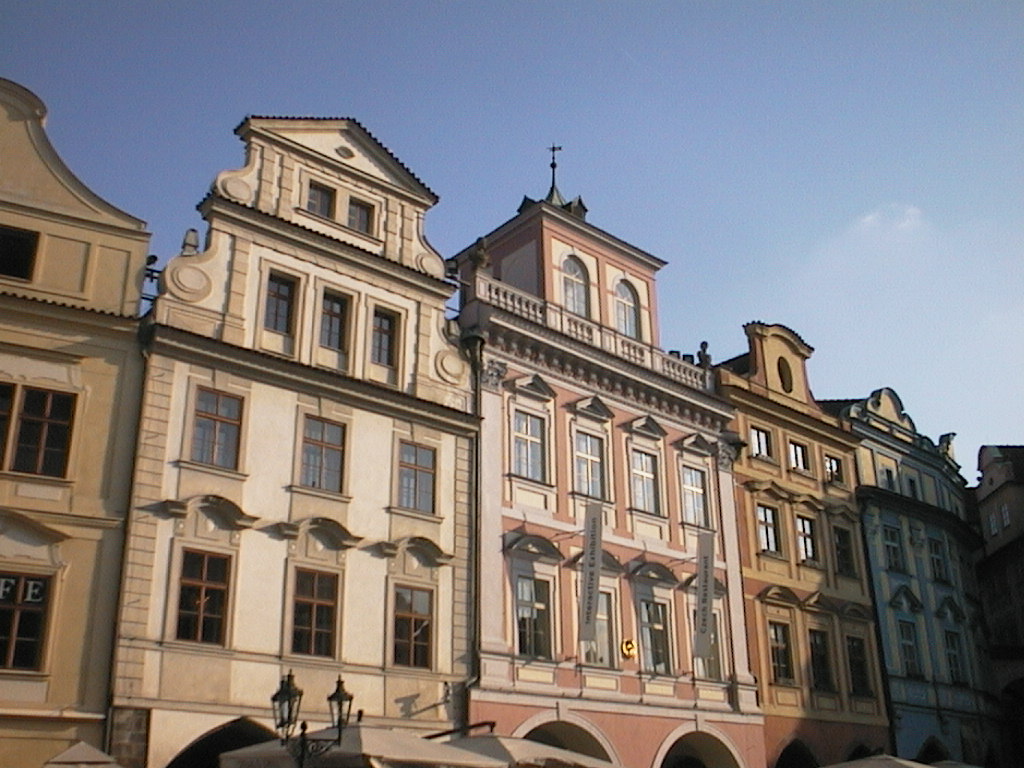
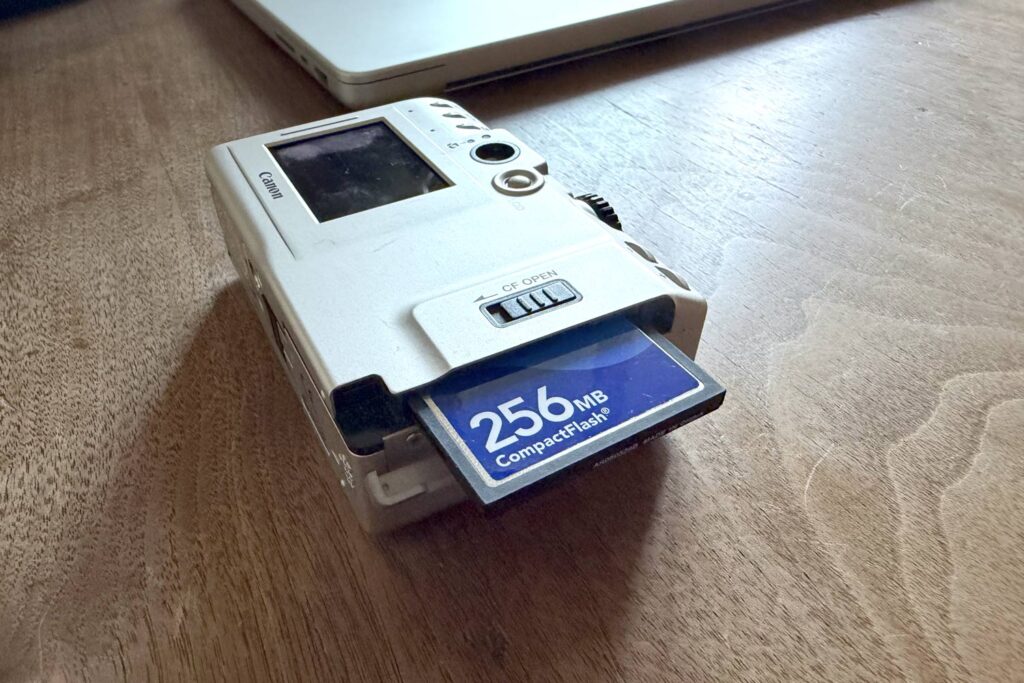
But as you can see from the samples, they have their own charm of authenticity. A unique color rendering, their own approach to what is and isn’t possible. And I really enjoyed shooting with this ancient PowerShot—although sometimes I wasn’t even sure if a photo had been taken. Every time after pressing the shutter, it was necessary to wait for the gentle buzz of the shutter and then for the write to the “giant” Compact Flash card with its “stunning” 256 MB capacity.
In short: I really enjoyed this experiment! Perhaps also because the world of photography is now haunted by fatigue from artificial AI worlds, and anything else, something authentic, simply counts!
More sample photos from “retro review”







Related posts
-

Canon EOS R8 Mark II Review – Sample Photos & Video
-
Is This Photo Manipulated? Canon Can Now Verify Its Origin
-
Canon RF 100-400mm f/5.6-8 IS USM – Review, Sample Photos + Video
-
Canon R6 V: Open Gate Video Test – Why Full-Sensor Recording Matters
-
Best Cameras – Summer 2026: My 40 Reviews, 4 Tables, 10 Years of Testing
-
Canon G7 X Mark III: Why This “Old” Camera Beats Your Phone – 2026 Review + video













Leave a Reply