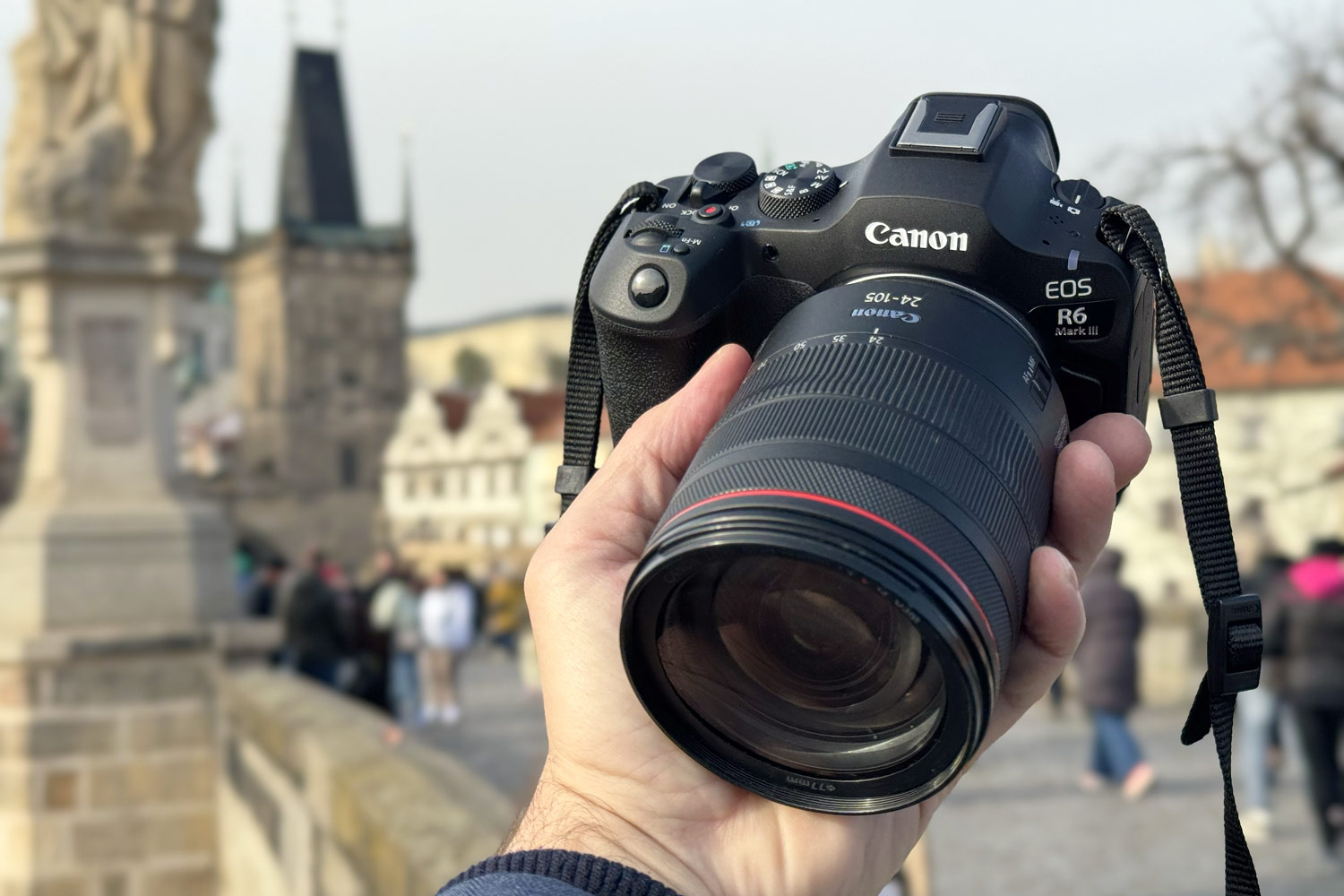
Canon R6 Mark III is the next generation of one of the most popular full-frame cameras on the market. And thus one of the most anticipated cameras of this year. What should you expect from it? And how does it differ from the previous generation? Here is my detailed review, sample photos, and video.
Canon R6 Mark III – the king of the golden middle ground
Canon R6 Mark III generally offers exactly what the previous generation of this camera did: top-notch performance for photographers who don’t need — or cannot afford — the highest-end models. This series has therefore long been among Canon’s most popular cameras on the market.
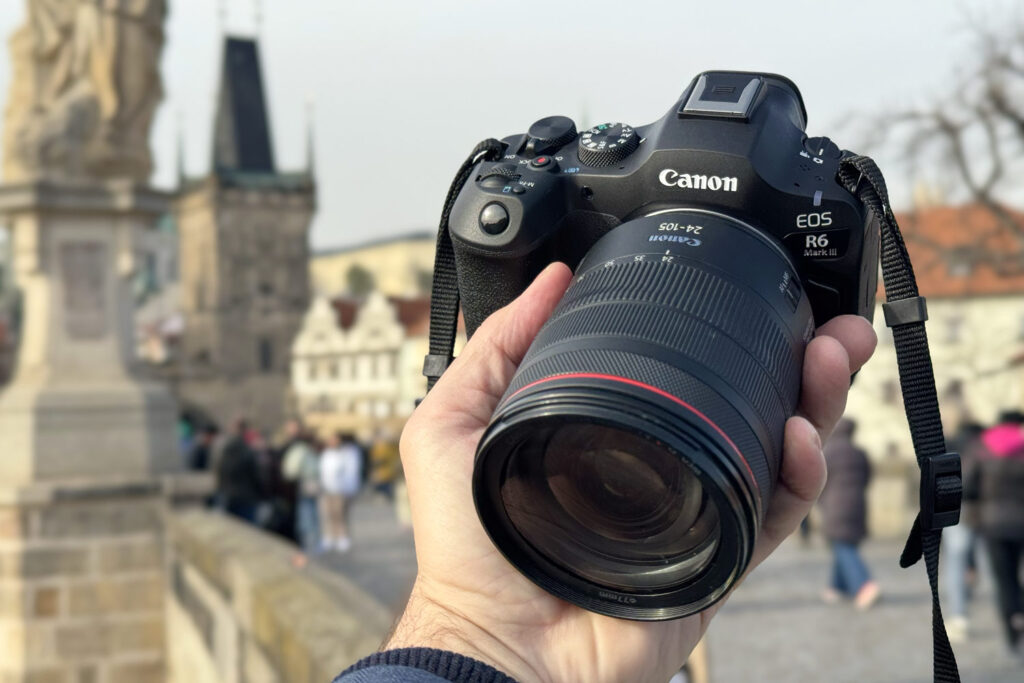
I must admit, I was a bit surprised that the third generation arrived so soon after the second, until I realized with a shock that it has actually been three years. Which, of course, makes sense — time flies in the world of photography.
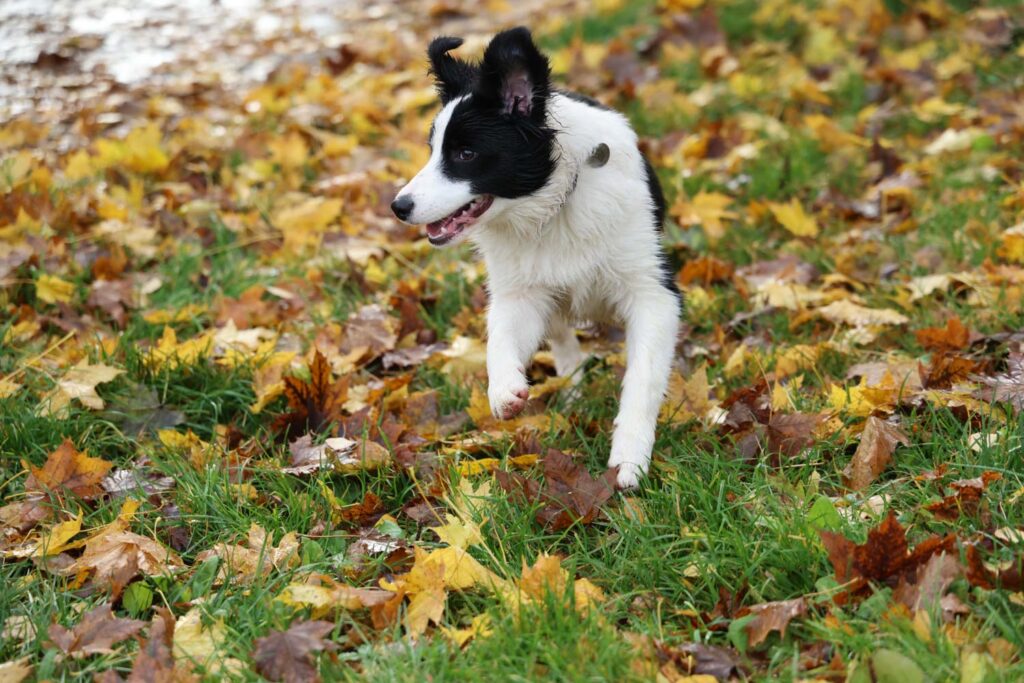
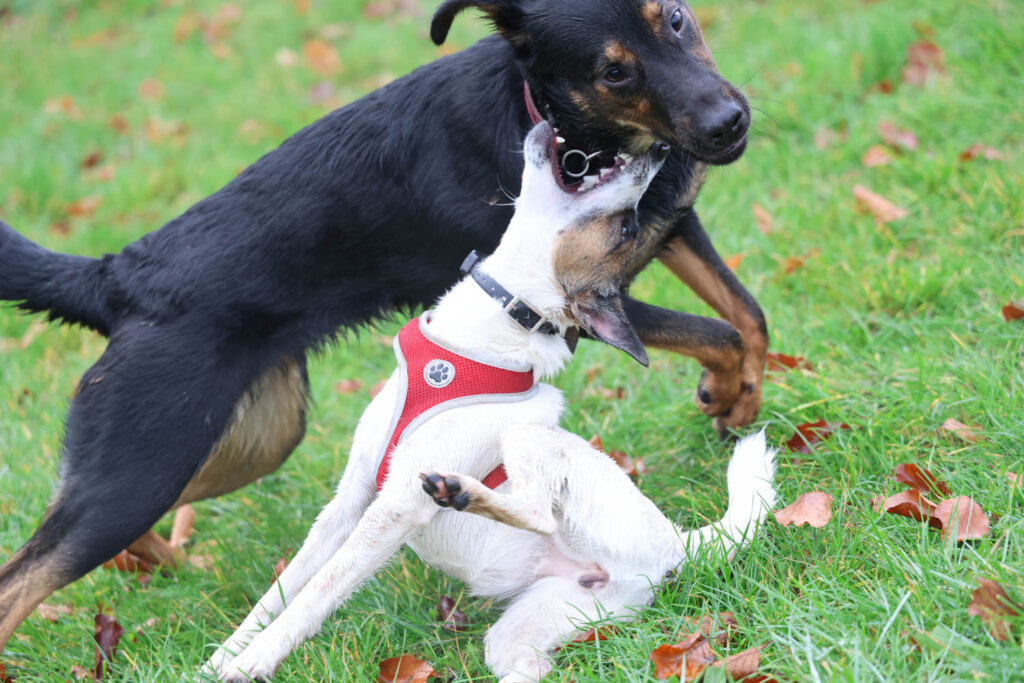
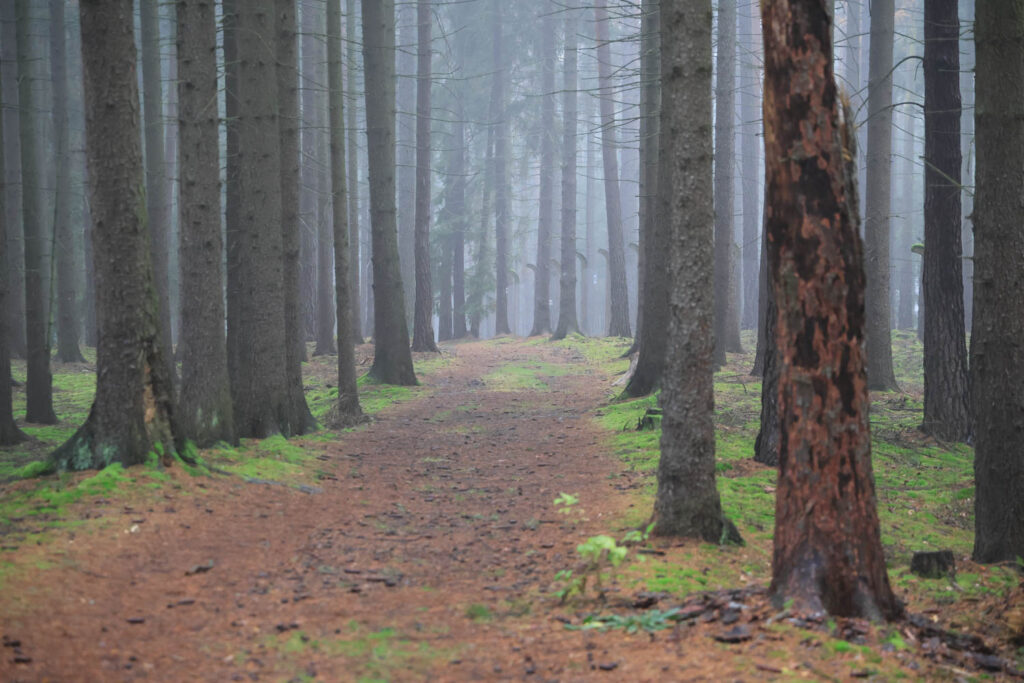
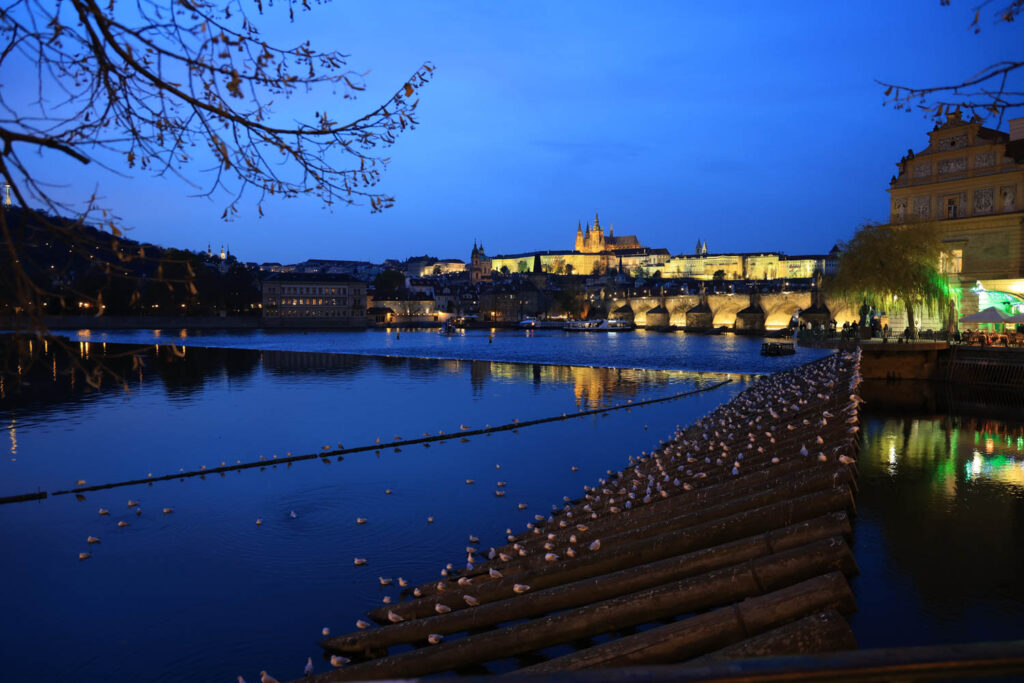
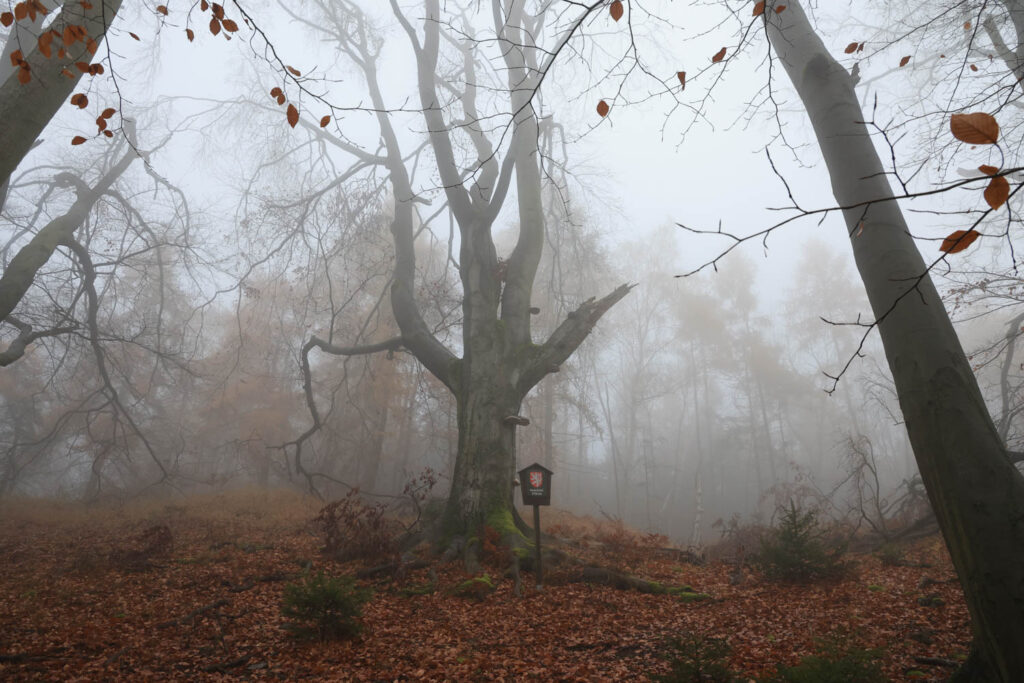
I tested the new camera intensively over a few days. As usual, in various situations — from a pack of dogs in autumn leaves, to foggy hills, and even nighttime Prague. And in one sentence, everything can be summarized quite clearly and concisely, albeit perhaps unsurprisingly: yes, it is truly an exceptionally well-made machine that will suit advanced amateurs, but will not disappoint professionals either, for example as a backup body.
If you are interested in sample photos and full-quality video, I recommend watching my video, where I summarize everything a bit more visually than here in the article.
Video: Canon R6 Mark III photography – 12 min in 4K
Canon R6 Mark III versus Canon R6 Mark II
This is of course a crucial and logical question: how significant are the differences compared to the previous generation? Answering is actually quite difficult, because — unlike many similar comparisons — it is certainly not true that the second generation belongs in the scrap heap. It remains a very capable machine that — considering its price — still makes sense. Nevertheless, my advice is: if your budget allows, definitely choose the new model.
1st difference: Sensor — the third generation comes with a new sensor offering around 32 MP, which is a fairly significant step up from 24 MP in the second (and 20 MP in the first) generation. Personally, 24 MP has long suited me, but in this case, more pixels are simply useful. And the most important thing applies here, which is hard to describe strictly scientifically: yes, this sensor really does an excellent job and the photos are simply outstanding.
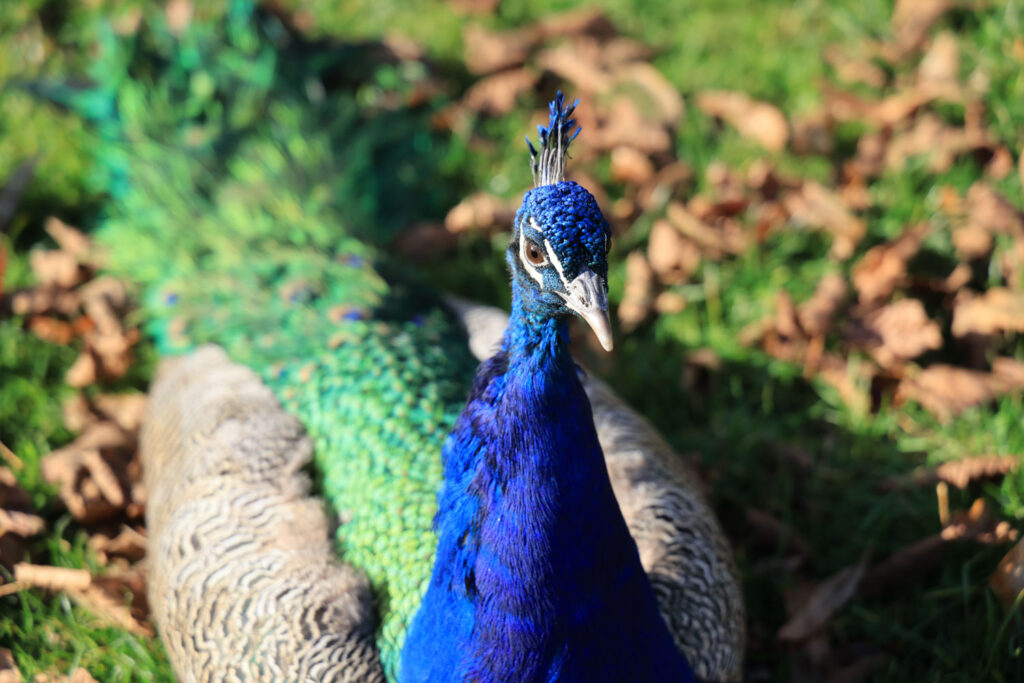
2nd difference: Speed and Pre-Continuous Shooting — if we stick to numbers, in terms of speed there is actually no difference; the second generation could also do 40 frames per second (with electronic shutter). The shift comes with the so-called Pre-Continuous shooting feature, which allows you to capture up to 20 frames even before fully pressing the shutter (see below). In the second generation, this was possible only via Raw Burst mode, i.e., in the world of raw files; here you can comfortably use it even when shooting in JPG.
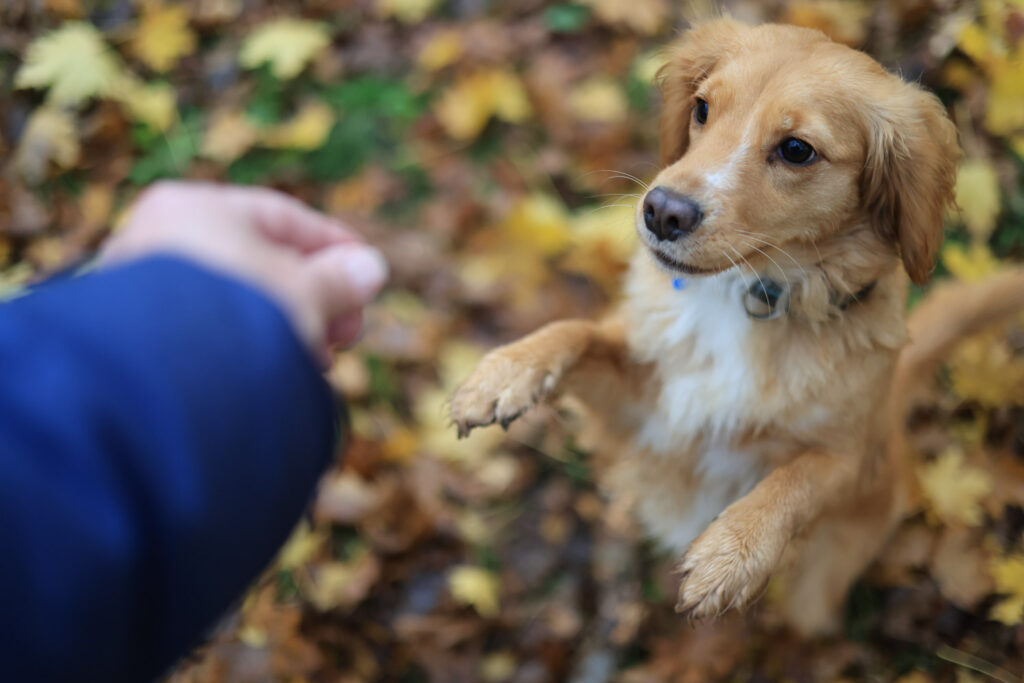
3rd difference: Improved autofocus — at first glance, it is not easy to answer the question “is the autofocus really better?” because everything looks similar. But we are talking about a three-year technology leap — and over that time, a lot has really changed. So yes, everything simply works better, even if it’s hard to show in a single image.
4th difference: Open Gate Video — I am not a professional in video, so I usually refrain from judging too strongly, but I really like the option to shoot in Open Gate, where video “uses” the full sensor area. This allows you to crop freely for the final format or change orientation to vertical. This is useful not only for professional use.
How Canon R6 Mark III perfoms
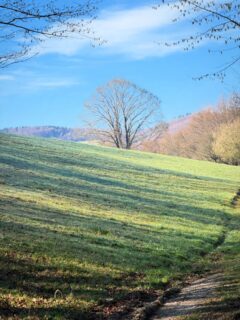
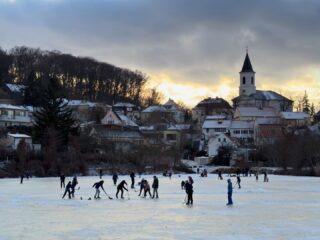
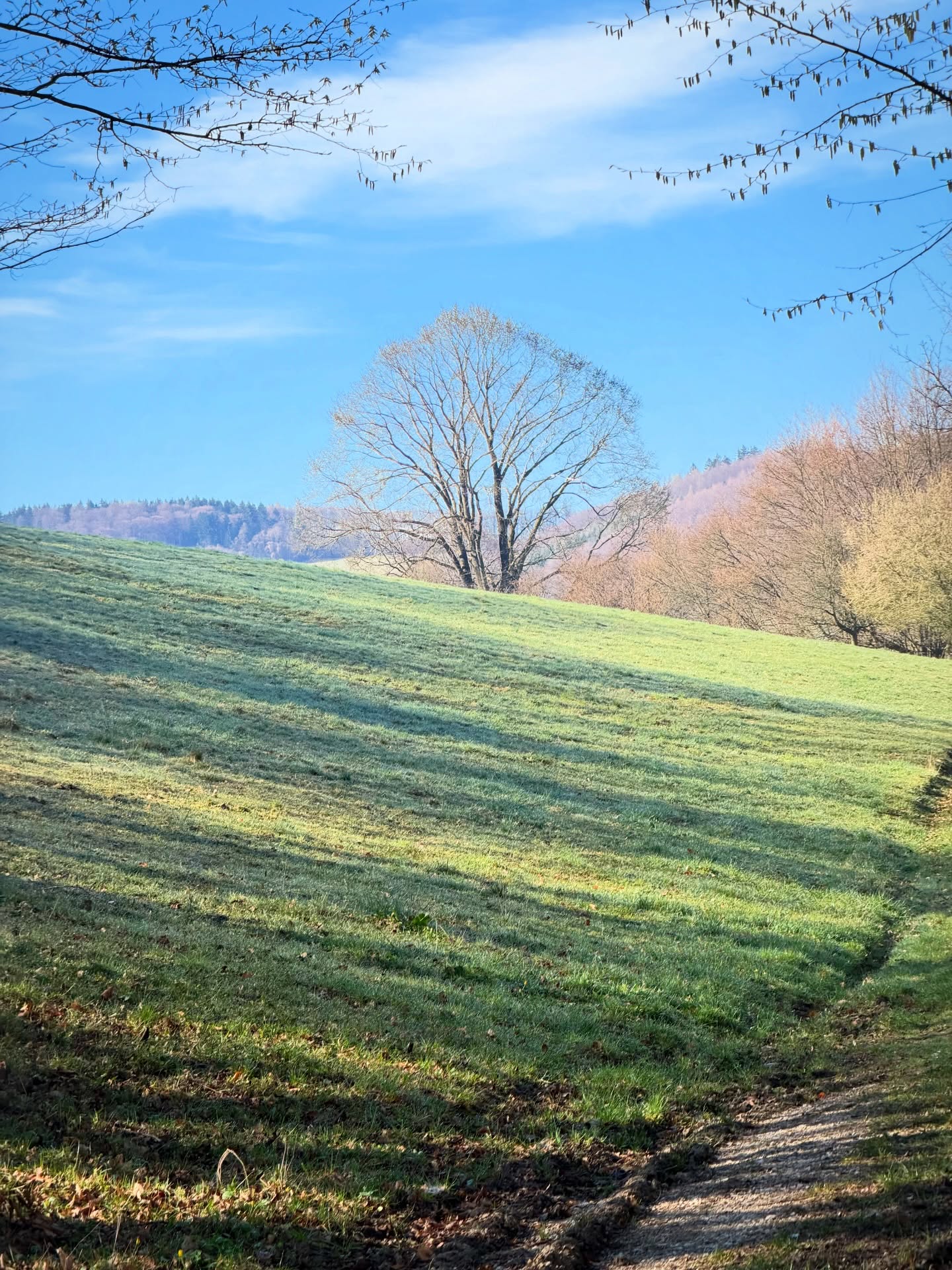
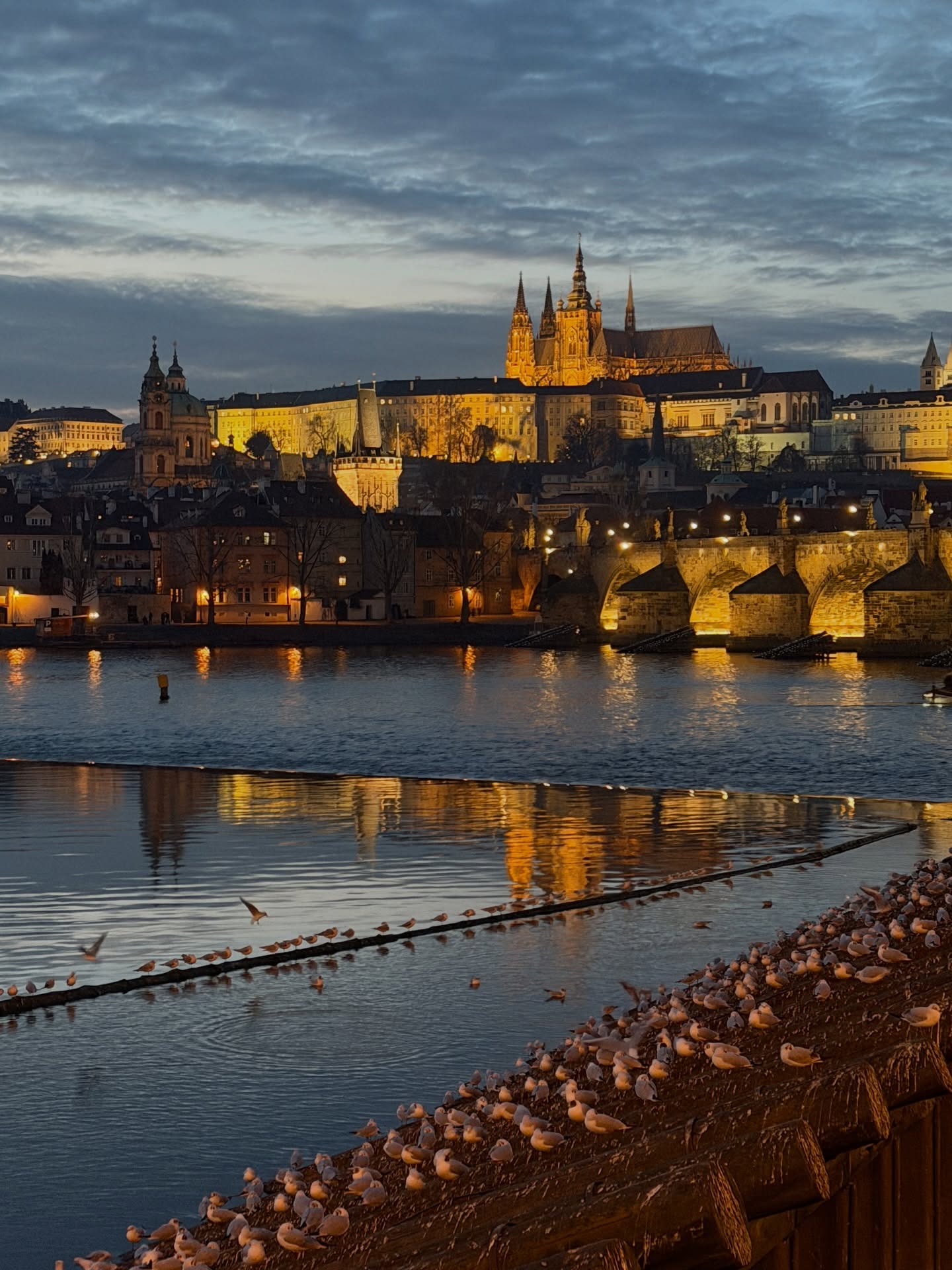
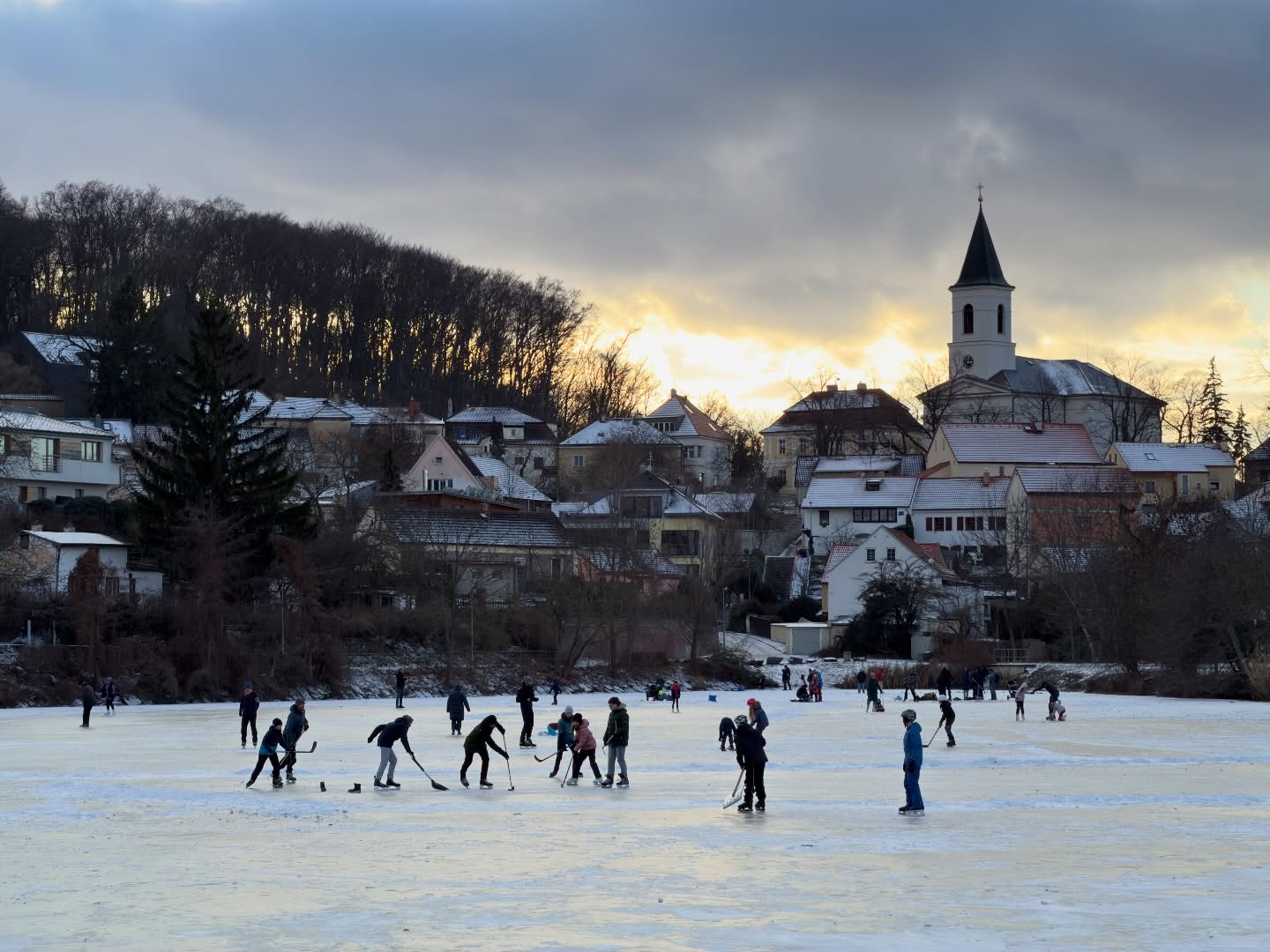
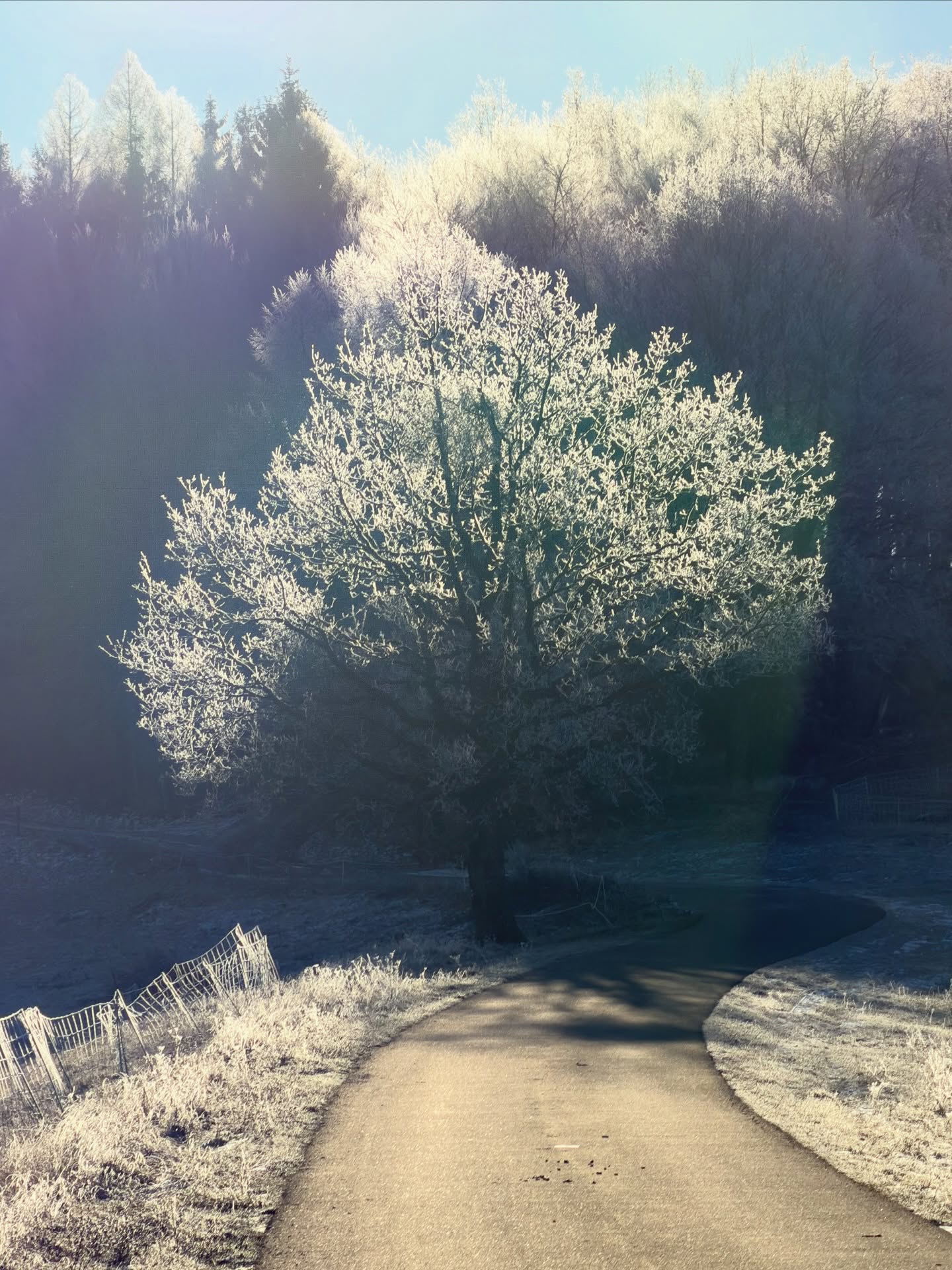
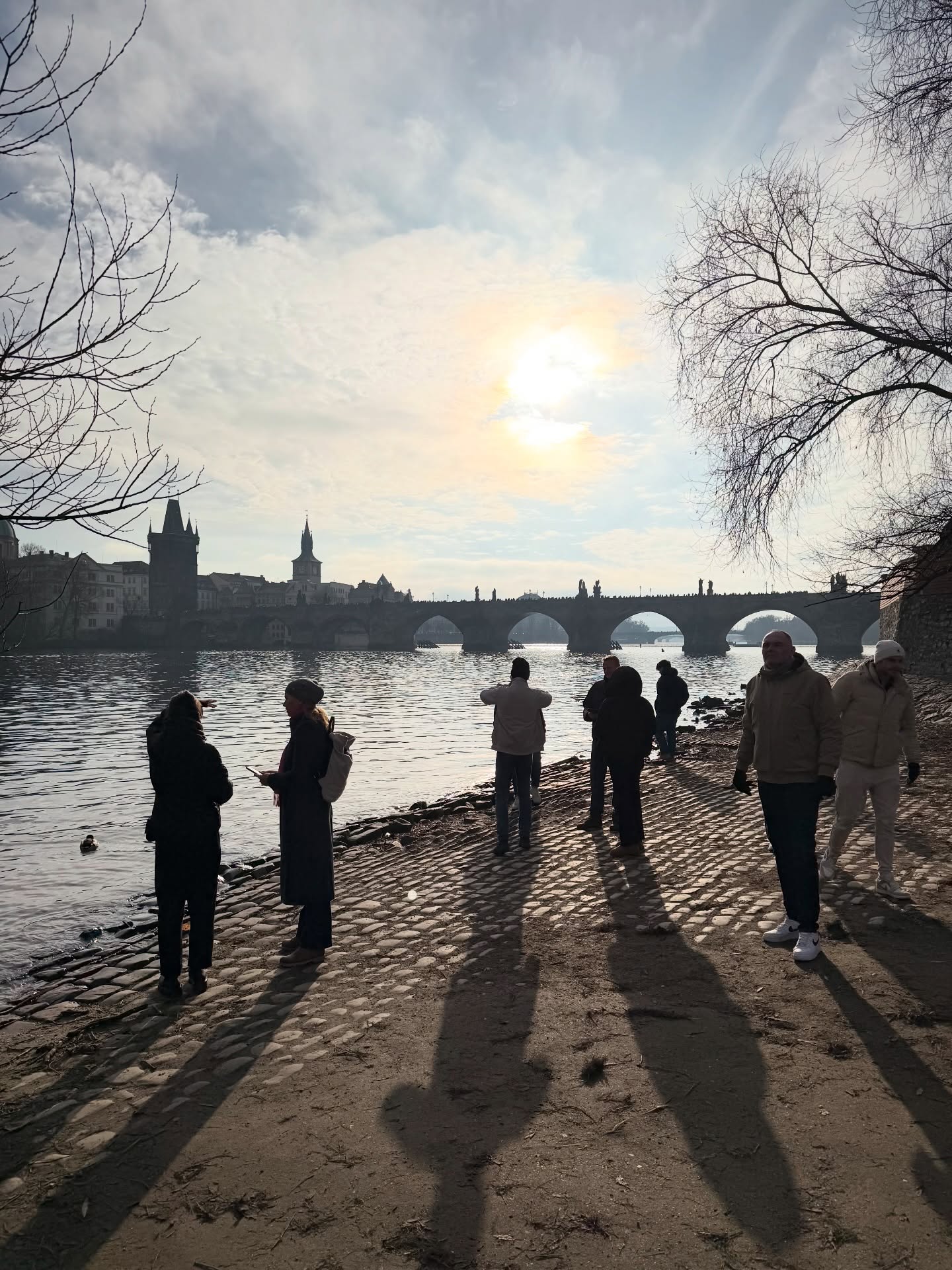
So, “how does this camera shoot?” You can see it best from the gallery on this page and from the video. The results really match what you would expect from a new Canon in this category — truly top-quality photos.
I tested it for about five days and managed to use the camera in a variety of situations — and there is no doubt that it delivered exactly what I expected.
For completeness, I used relatively standard lenses, i.e., the Canon RF 24-105mm F4L IS USM zoom and the famous “prime fifty” Canon RF 50mm F1.8 STM. The zoom will be the typical kit on the Czech market for R6 Mark III, so I wanted to test it.
The real test was photographing dogs rushing through autumn leaves in a park — I deliberately shot “wide open,” at f/4, which I normally wouldn’t do for sharpness (which is always slightly softer at the widest aperture). But I wanted to test speed combined with autofocus. And I was very satisfied.

The second general point I wanted to test was performance at different ISO values — this model offers a maximum of 64,000, extendable to 102,400. As you’ll see in the video, at these extremes noise is fairly pronounced, but at “normal” values everything was very good. Why not? More pixels always mean a higher risk of noise — physics is physics. In other words, 32 MP on this sensor seems like a reasonable compromise between resolution and noise.
Pre-Continuous Shooting magic
One of the biggest highlights of this camera is the so-called Pre-Continuous shooting. As I mentioned, something similar existed in the previous generation, but it was tied to raw files, which was not ideal. Now you can use it in normal JPG shooting as well.
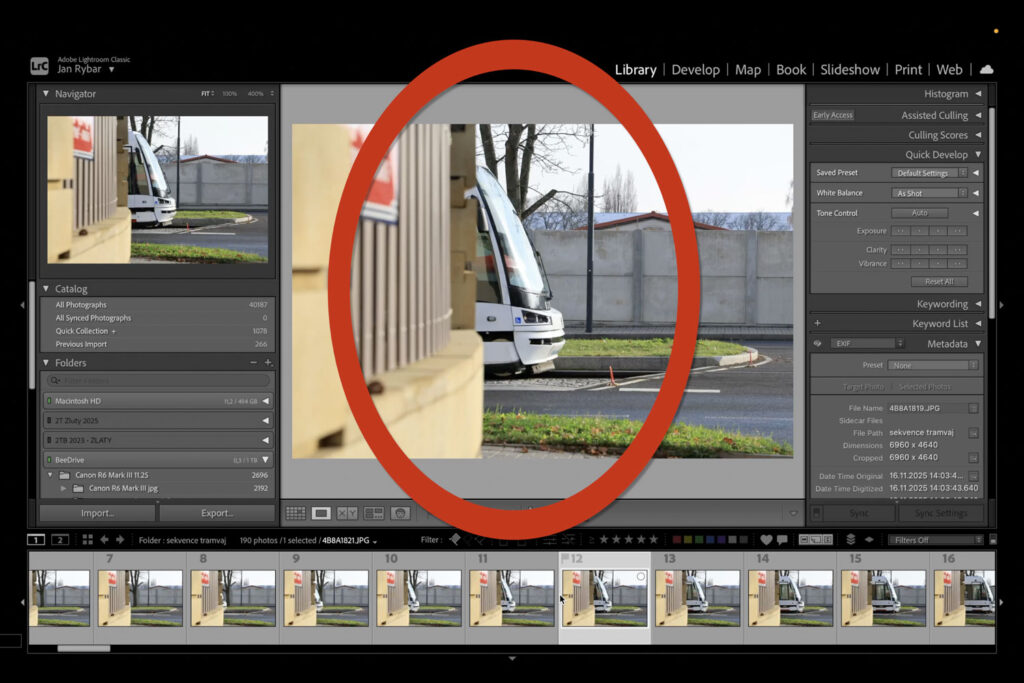
Simply put: if you set the highest frame rate, when you half-press the shutter, the camera starts storing images in memory. As shown in the illustrative photo: when I want to capture exactly the moment a tram emerges from behind a wall (or anything similar), I cannot do it normally. But in this mode, the camera stores up to 20 images before I fully press the shutter. Then I can easily select the precise moment I want.
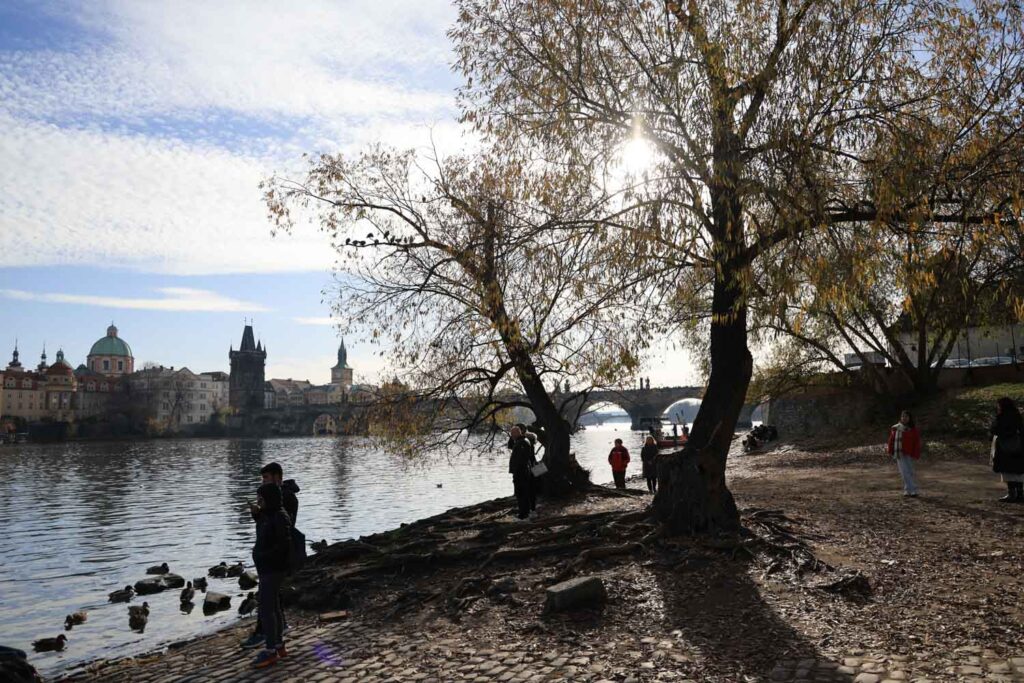
For many photographers, this will be a key feature when deciding whether to buy this camera. Just remember that 40 frames per second is a huge flood of data to the memory card.
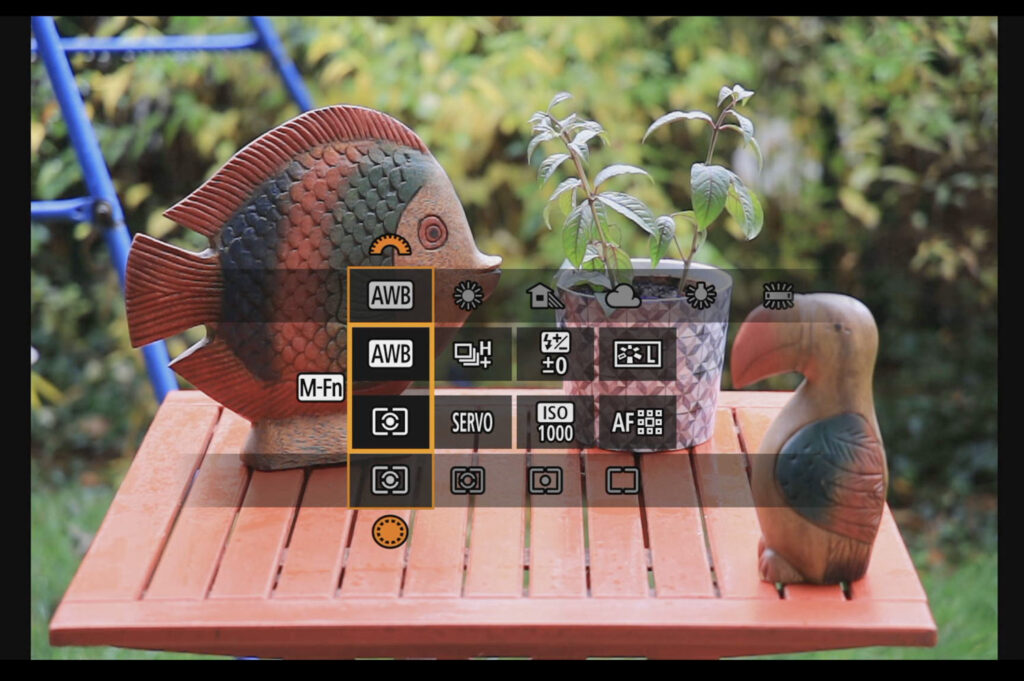
Open Gate Video magic
As I mentioned, I am an ordinary user of video, so I usually refrain from strong judgments. But in this case, I am happy to say — shooting in Open Gate is exceptionally useful.
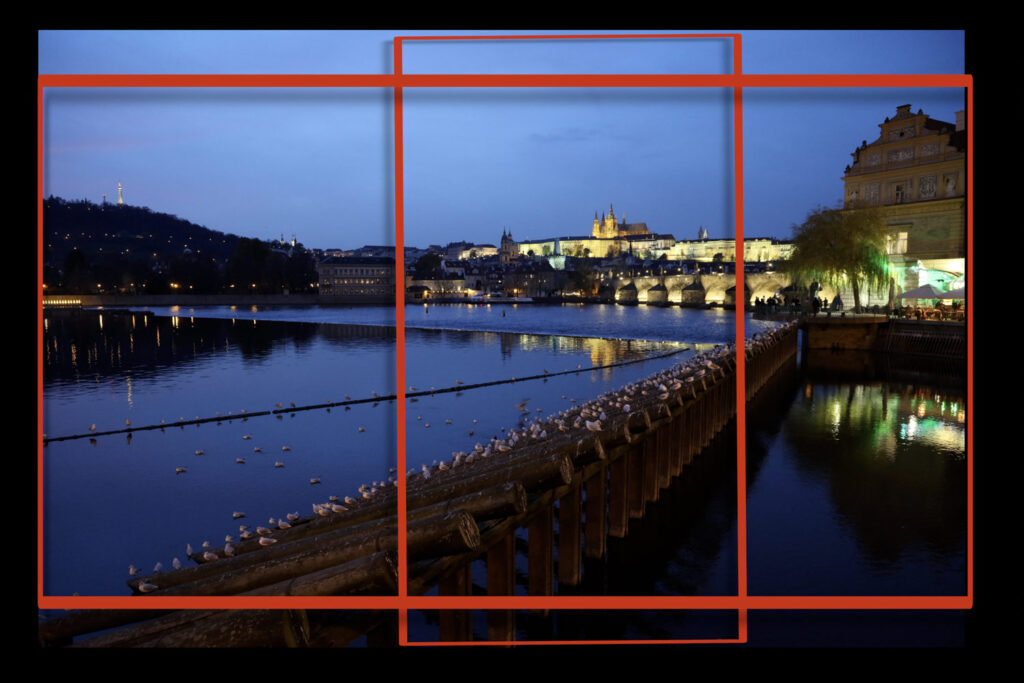
In short: traditional video is 16:9, Open Gate records the entire sensor area, here in 3:2 ratio. Why is it good? Because content creators like me can adjust angles, crop further, or even turn horizontal video into vertical. I could list the many times I noticed something slightly off, like crooked horizons — it would be a long list.
Open Gate does not require raw or external recorders — it works directly in MP4 on the card, with 7K resolution (6912 × 4608 px), giving a lot of flexibility for cropping.
Canon R6 Mark III – summary in two sentences
Canon R6 Mark III once again elevates what photographers can expect from this popular series: from incredible speed with Pre-Continuous shooting, to top sensor performance, and Open Gate video magic. As with previous generations, it makes sense for demanding amateurs or professionals who do not need — or cannot afford — Canon’s highest-end models.
Canon R6 Mark III – sample photos


Canon R6 Mark III
Review Summary: Canon R6 Mark III once again elevates what photographers can expect from this popular series: from incredible speed with Pre-Continuous shooting, to top sensor performance, and Open Gate video magic. As with previous generations, it makes sense for demanding amateurs or professionals who do not need — or cannot afford — Canon’s highest-end models.













Leave a Reply