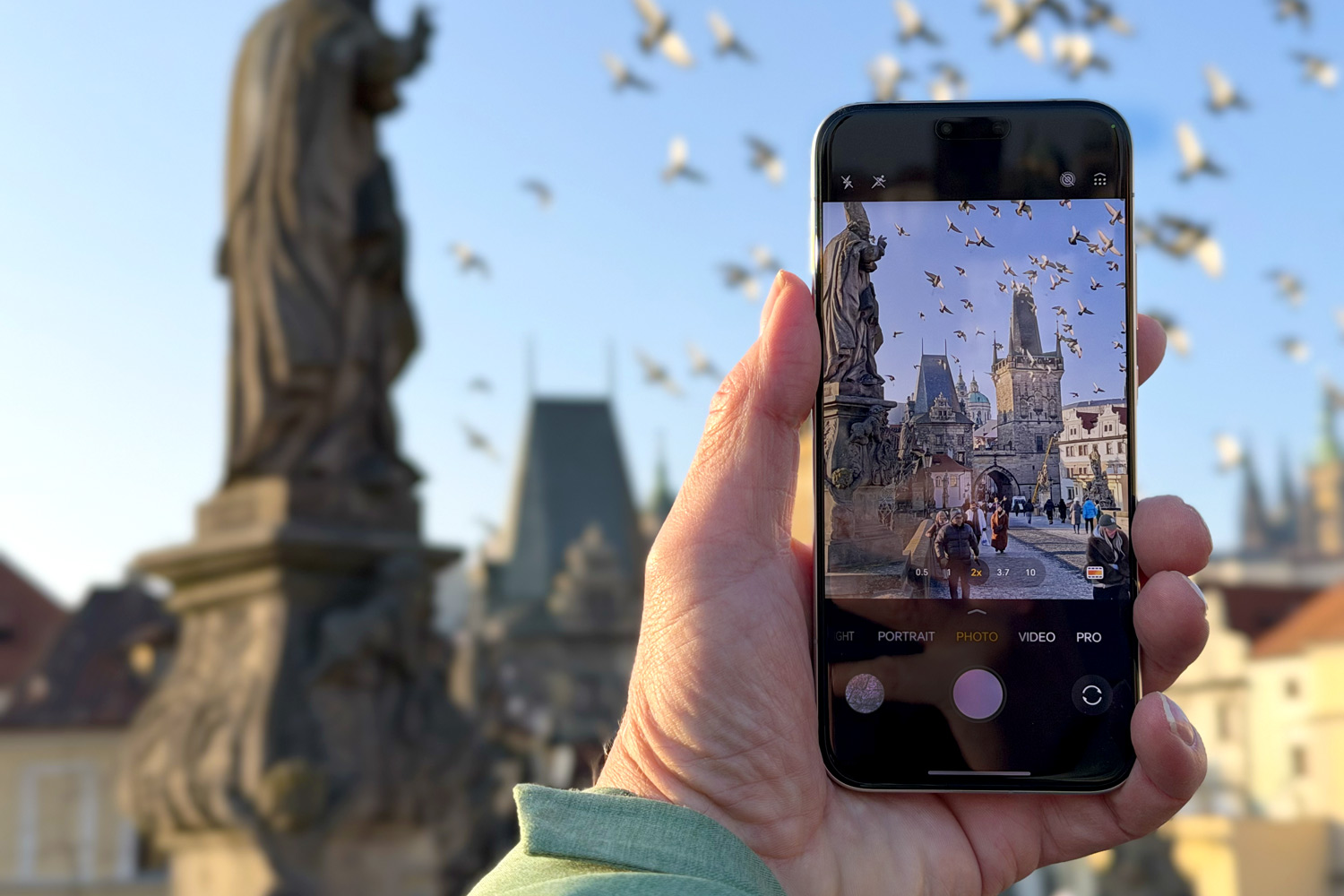
The Honor Magic8 Pro continues a line of flagship phones known for strong photographic performance. But how much has it improved, and who is it best suited for? In this review — and in the accompanying video with roughly 200 test photos — we’ll take a detailed look.
Who is the Honor Magic8 Pro for? For truly demanding users
In recent years, Honor has been building its position across various mobile segments – from the solid mid-range, such as the Honor 400 (review here), to truly specialized devices like the foldable Honor Magic V5 (review here).
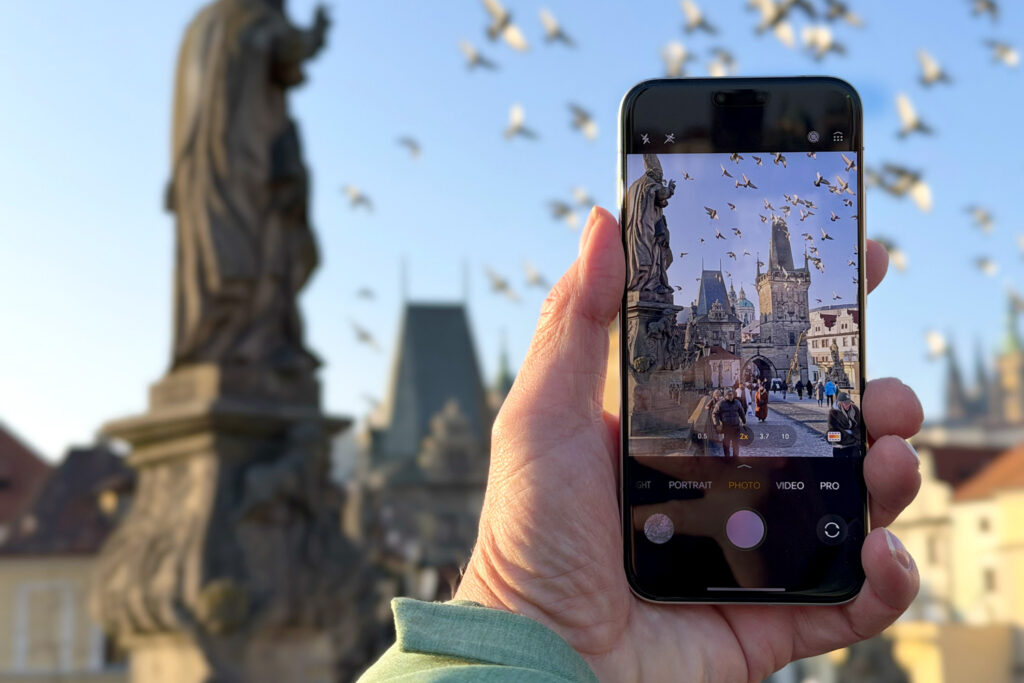
However, the key flagships belong to the same series as the one we are examining today: I first tested the Honor Magic5 Pro, which was a good model, though still unrefined in some aspects. Last year’s Honor Magic7 Pro was already “on another level,” and I still consider it one of the best phones on the market, with plenty to offer even after the arrival of its successor.
Of course, Honor remains a smaller player in the market, but it is gradually strengthening its position – and it was last year’s model that I recommended as one of the top alternatives to the leaders of this class, including the Samsung Galaxy S25 Ultra. It makes real sense for those who want maximum performance, including zooming in on very distant targets.

That’s why I borrowed the Honor Magic8 Pro as soon as possible after its launch and began testing it in frozen Prague – as always, in various conditions and situations. Let’s break it all down in detail – and don’t forget to watch the accompanying video, where you’ll see about 200 sample photos.
Video: Honor Magic8 Pro photography – 13 minutes in 4K
Honor Magic8 Pro and Camera – Specifications
As usual, let’s start with a look at the photographic hardware – what camera setup does the Honor Magic8 Pro have at its disposal? Here is an overview table:
| HONOR Magic8 Pro – Camera: Lenses and Sensors | |
|---|---|
| Main Camera | 23 mm, 50 Mpx, f/1.6 1/1.3″, 1.2µm, OIS |
| Telephoto Lens | 85mm, 200 MPx, f/2.6 1/1.4″, OIS, 3.7x optical zoom |
| Ultra-wide Camera | 12mm, 50 Mpx, f/2.0, 122° FOV, 1/2.88″, 0.61µm |
| Front Camera | 21mm, 50 Mpx, f/2.0 1/2.93″, 0.6µm |
| Processor | Snapdragon 8 Elite Gen 5 |
The key tool will, of course, be the main lens/sensor; it traditionally has 50 Mpx, and importantly, it is large not only in pixel count but also in physical size (1/1.3″). While it’s not a so-called one-inch sensor like the one in the Xiaomi 15 Ultra, it still ranks among the largest on the market. This is one of the main parameters playing a vital role in photography. Few things follow such a direct correlation as: larger sensor = better photos.
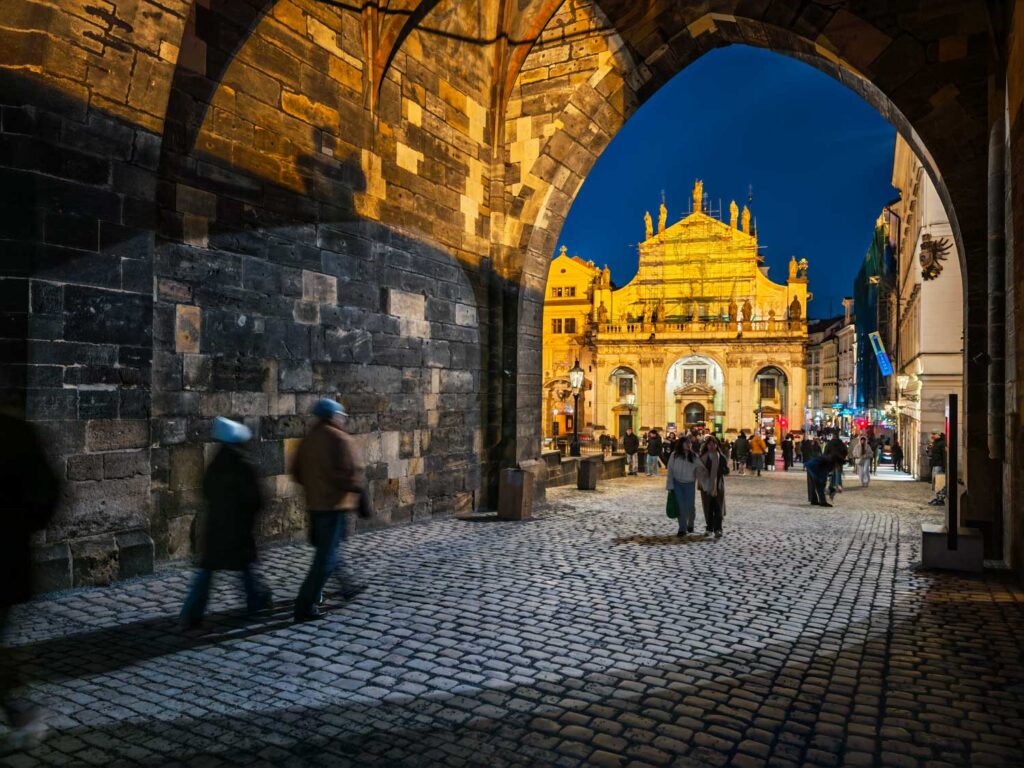
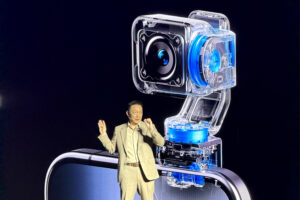
Equally crucial is the telephoto lens – much like last year, it features an unprecedented 200 Mpx resolution – something we usually see in main sensors, but here it is the core element of the telephoto setup. This is obviously useful for zooming and digital zoom, which delivers truly impressive performance. It offers 3.7× optical zoom, but digitally it can go up to 100× (see below). Added to this is the fact that the physical size (especially for zooms) is remarkably large (1/1.4″). This is, in a way, more significant for the results than the pixel count.

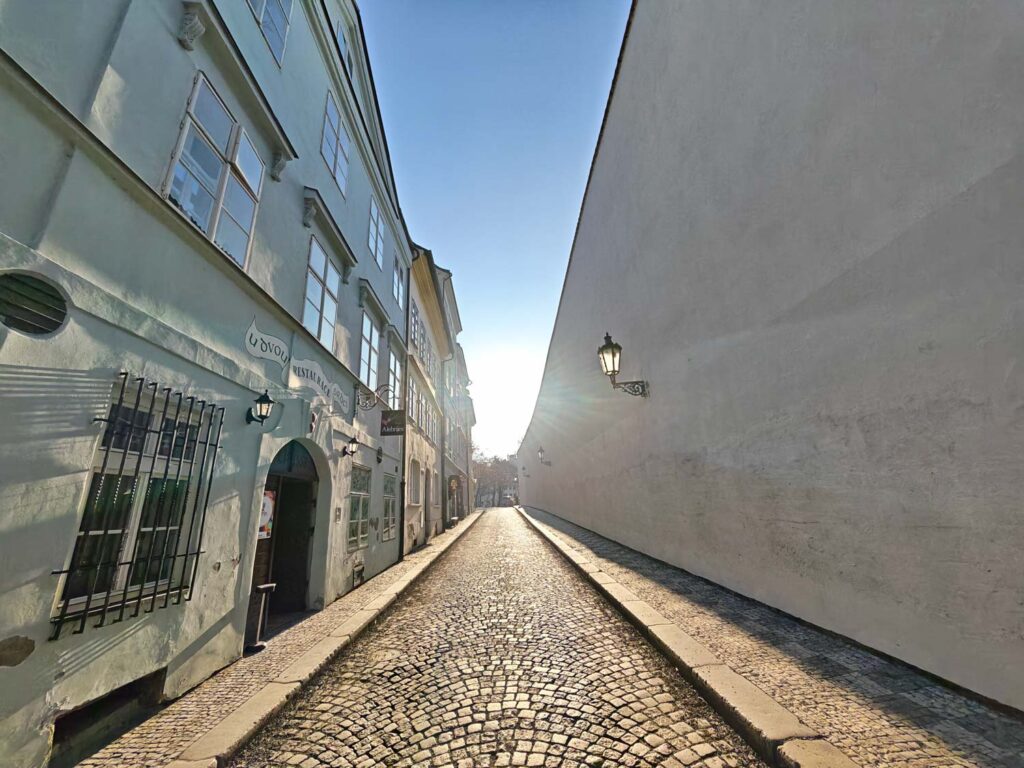
We must not forget the ultra-wide-angle lens, which I enjoy using frequently for various types of shots in landscapes, cities, and interiors. It has 50 Mpx, which isn’t surprising for this category of phone – manufacturers often cut costs here in cheaper series, which is a shame, as I personally use it quite often.
And then, of course, there is the front “selfie” camera – I didn’t examine it beyond a few test photos, but it certainly plays its part. The specs show that it is physically significantly smaller, but for this type of photography, it doesn’t play a major role in quality.

The performance is handled by the Snapdragon 8 Elite Gen 5, which in itself guarantees excellent performance and top-tier power. You can really feel this during shooting; the phone is snappy and fast, which counts. It can handle video up to 120 fps, though that’s more of a curiosity; for common use, it doesn’t make much sense for most users.
Honor Magic8 Pro vs. Honor Magic7 Pro – Comparison
How do the specs differ from the previous generation, the Honor Magic7 Pro? Comparing solely by a table is always tricky, as the same parameters don’t necessarily mean the same hardware components, not to mention image processing. Companies are traditionally quite cautious about disclosing details, and I prefer to steer clear of speculation. The front and ultra-wide lenses have the same specs, and the main and telephoto lenses share the same physical size.

The focal length of the telephoto lens is slightly different – last year’s model offered only 3x zoom; now it is 3.7x. Interestingly, Honor removed one technical curiosity this time – last year, the main lens allowed for adjustable aperture values from f/1.4 to f/2, which slightly allowed for depth-of-field control (how much the background is blurred). To be honest, it was more of a technical rarity without much practical significance, so users likely won’t miss it. But it was interesting!

Similar to last year, there is a range of various supplementary functions, including new filters and a new Color Tuning feature that Honor highlighted heavily in its press materials. It is, in a sense, a higher level of filter usage, where the system allows for many additional procedures, including analyzing the colors of captured photos and working further with them. Otherwise, like other Honor phones, the user has a choice of three main styles: the default is “Vibrant,” which was used for the photos in this review. Then there is “Natural,” which provides slightly muted colors, and “Authentic,” which highlights colors quite aggressively and adds vignetting (dark corners).

Honor Magic8 Pro – What I Liked
Generally excellent flagship performance – the most essential thing can be said in this single paragraph: yes, this phone will definitely not disappoint you; it undoubtedly belongs among the best currently available in this premium segment. Performance is truly very good across all essential parameters, from image processing on the main sensor to very solid digital zoom performance and a variety of details and smaller features that contribute to the overall impression. It is aimed at those who want maximum performance for relatively standard shooting – and don’t need the truly specialized features of, for example, the Xiaomi 15 Ultra (one-inch sensor, dual zooms…).

100x digital zoom works quite solidly – for photographers, the term “digital zoom” always sounds slightly suspicious and incorrect because there is always a degradation in image quality, unlike a proper optical zoom where the image is formed by the lens and sensor. So yes, to the strict eye of a traditional photographer, massive zooming will always be incomparable to close-up shots. But that doesn’t change the fact that the Honor Magic8 Pro is at the absolute top regarding how much can be zoomed in from great distances (see sample photos on this page and in the video). All of this is, of course, aided by AI.

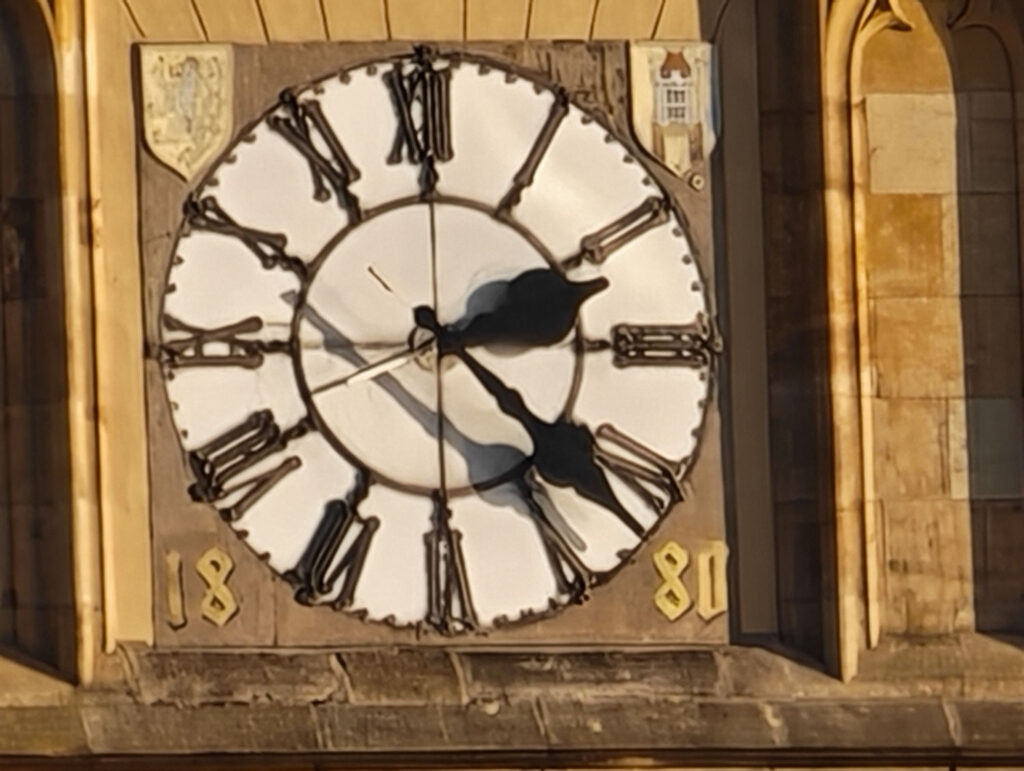
Truly remarkable detail shots – this might escape less experienced photographers, but that would be a shame. The Honor Magic8 Pro is exceptionally good at shooting details. I don’t mean macro, which traditionally “originates” from the main sensor, but remarkable details created by zooming with the telephoto lens (see samples). The telephoto lens allows you to get quite close, which is fantastic and, more importantly, not entirely common: the photos are remarkable and the quality is top-tier.

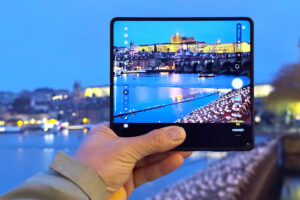
Good night photos – night photography is also undoubtedly worth trying, offering impressive results even when using the zoom or the ultra-wide lens. Honor’s marketing team clearly decided they needed a major slogan for this phone and chose night photography, “renaming” the camera the Ultra Night Camera System. I’m not so sure. There’s no doubt the night results are excellent (see samples here and in the video), but honestly, I don’t think they are dramatically different from the previous generation (or other phones in the same class). Regardless: they look very good.
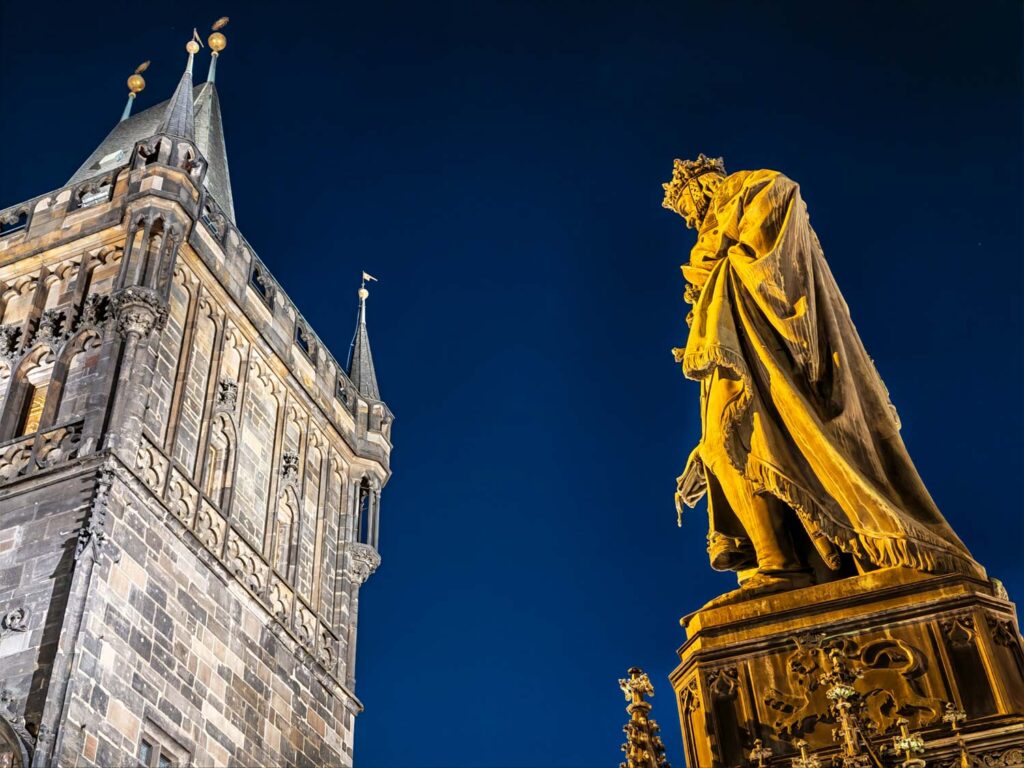
Solid ultra-wide lens performance – manufacturers often skimp on this lens, but that didn’t happen here at all; this type of photo is also very good. I always enjoy playing with it, and I was very satisfied here. Video is at a high level – I usually try to avoid evaluating video too much; it’s not my area of expertise, and while I can thoroughly test and evaluate photos, I don’t have as much experience with video. However, it struck me here that the results are remarkably good, which is important. Generally, good photos don’t necessarily mean a phone handles great video. Here, it does; it manages video well too. A very valuable mix of supplementary functions – we’ve grown used to flagship phones having very interesting extra features, from PRO mode to various filters, styles, and sophisticated portrait work. This applies here as well – the standard portrait mode is very solid, but personally, I’ve liked the “Stage” mode since last year’s generation. It can set up what 99% of mobile users can’t: ensuring that photos of, say, a musician on stage aren’t blurred (especially when shooting from a distance).

Honor Magic8 Pro – What to Watch Out For
Filters could still use some refinement – Honor struggles a bit with its styles being somewhat inconsistent; colors are sometimes over-emphasized (especially in “Authentic” style), so some fine-tuning would be beneficial, even if it’s a minor detail. In any case, the default “Vibrant” style is a solid choice. The difference compared to the previous generation is not dramatic – as I mentioned, last year’s Honor Magic7 Pro really impressed me, so I must note that the leap forward isn’t dramatic – at least in the camera department. Lens and sensor parameters are similar and sometimes identical, as is the performance. Yes, the AI processing is better, which is evident in the quality of digital zoom shots. Plus, it’s always better to buy newer models because many improvements only show up over time and can be subtle. But for the average user, the shift will be relatively unnoticeable.
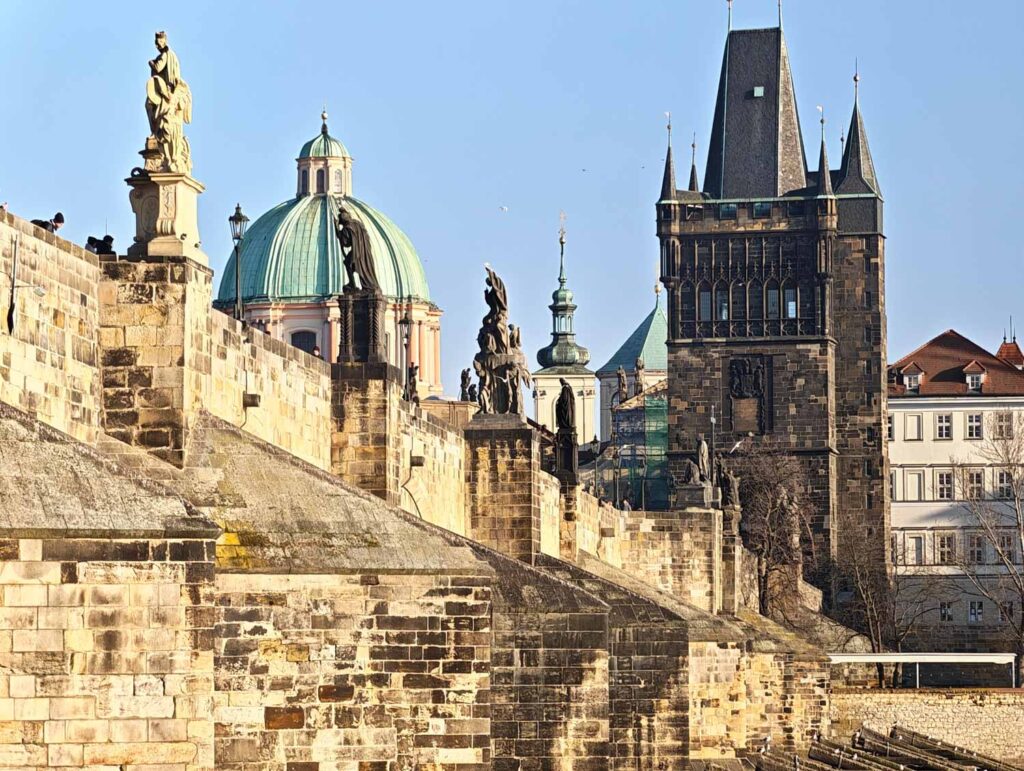
Image processing still needs slight tuning – in some situations, I felt the algorithms still needed a bit of work. Especially when shooting scenes with backlight or complex lighting in general, results were sometimes inconsistent. Similarly, the phone occasionally missed the optimal color temperature. These were mostly minor things noticed only by a trained eye, but some correction would be welcome. Such fixes almost always arrive via software updates within a few weeks as developers evaluate real-world usage. I tested the phone right after its launch, when such small issues are common.
Honor Magic8 Pro – Summary in Two Sentences
The Honor Magic8 Pro builds on previous generations of excellent flagships that rank among the world’s best – once again offering performance that will please even experienced photographers in a wide range of situations, including zooming and night photography. However, from a photographic standpoint, the leap forward from the previous generation is not dramatic.
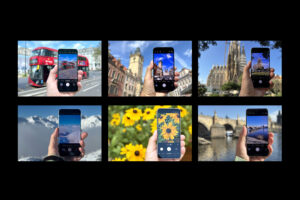
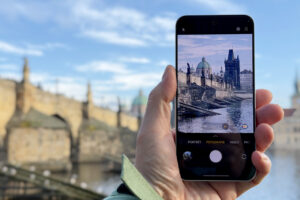
Honor Magic8 Pro – more sample photos


Review Summary
Honor Magic8 Pro

Honor Magic8 Pro builds on previous generations of very good flagship phones that rank among the world’s best. Once again, it delivers performance that will please even experienced photographers in a wide range of situations, including zoom shots and night photography. However, the photographic improvement over the previous generation is not dramatic.
7.9
Pros
- very good image quality
- excellent zoom with a 200 MP sensor
- a good mix of features, including night photography
Cons
- the step forward compared to the previous generation is not significant
- photo styles could use some fine-tuning
- image processing occasionally struggles
Related posts
-

Honor 600 Pro Camera Review: 50 Sample Photos + Video
-
Honor Robot Phone: Camera, Gimbal and… Robot — First Look in Barcelona
-
Best Smartphones for Photographers (2026) – My Top Picks Based on 10 Years of Reviews
-
Honor 400 Camera Review: 50 Sample Photos + Video
-
Honor Magic V5 Review: 200 Sample Photos & Video





















Leave a Reply