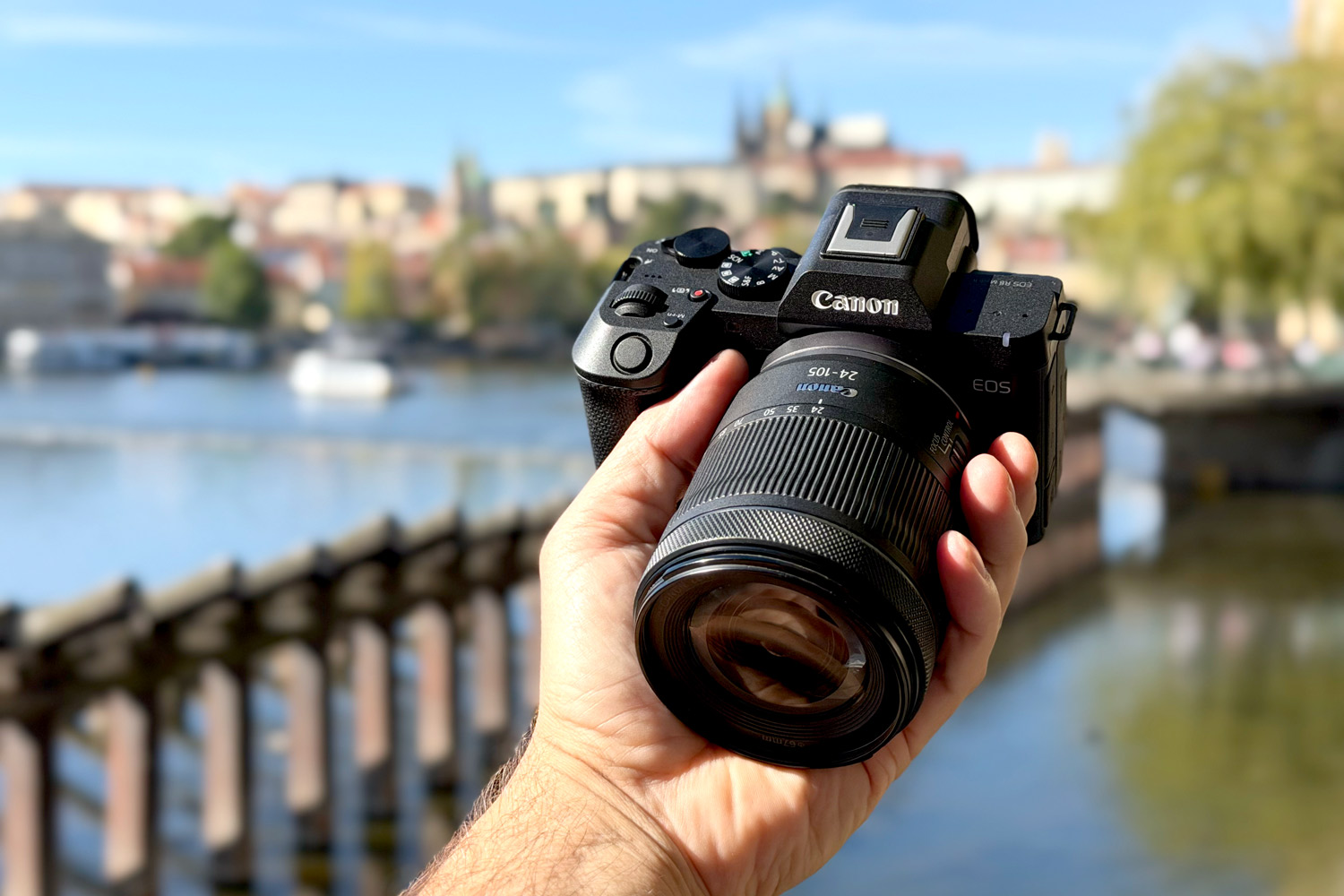
The Canon R8 Mark II is the second generation of this popular full-frame camera, offering very good performance at a reasonable price. What can we expect from the new model? And who is it for? We will explore all of this in this detailed review and video.
Canon EOS R8 Mark II – What’s New: Controls and IBIS
The first-generation Canon R8 appeared in spring 2023 and quickly became a popular choice for photographers looking for solid full-frame performance but who could not – or did not want to – move up to models such as the Canon R6 Mark II. Three years ago, I tested the Canon R8 in detail (review here) and praised it as an important model aimed at photographers who wanted to enter the world of full-frame cameras. It offered a reasonable price, compact dimensions and very good specifications. The biggest compromise, I wrote at the time, was its “less-than-ideal control of the autofocus points.” And that has now changed.
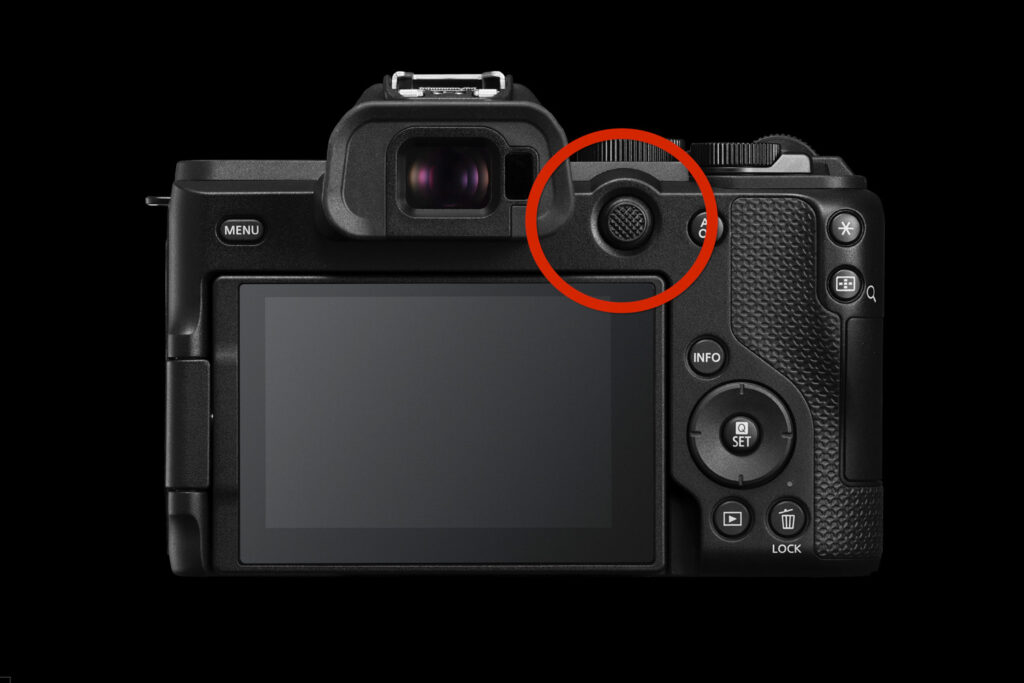
1. New feature: The important multi-controller is here – The Canon R8 did not have the key control officially called the multi-controller – essentially a small “joystick” on the back of the camera that can be used to control a range of functions, most importantly the position of the autofocus points. And this is one of the main changes in the second generation. It is not just about making control of the autofocus points and other functions much easier. It also has a symbolic role: without it, the previous generation somehow felt artificially stripped down. That is no longer the case, and this is important. The Canon R8 Mark II simply feels like a proper camera, and that matters.
2. IBIS, or image stabilization – The other major new feature is the addition of in-body image stabilization (IBIS). For me personally, and for my mostly travel and family photography, this is not a dramatic change. But in general, it is obviously a major plus that many users will appreciate, both for photography and video. So this is another significant step forward.
Video: What the Canon R8 Mark II Can Do – 12 Minutes in 4K
Key Features: Speed and Pre-Continuous Shooting
Plus a number of smaller changes – There are, of course, other smaller improvements that add up as well – for example in image processing. According to the available information, the sensor is the same as, or very similar to, the one used in the first generation (24.2 MP), although the processor has been refined. And as you would expect, new generations tend to fix a number of small things under the hood compared with the original model.
The truly impressive shooting speed also remains the same – up to 40 frames per second. The autofocus and subject detection systems have been improved, however. And the excellent pre-continuous shooting feature is also more practical, whereas on the previous generation it worked only when shooting RAW files. (We will look at all of this in more detail below.)
To sum it up: these are important changes, but not revolutionary ones. The first generation still makes a lot of sense as a very good entry point into the world of full-frame cameras and more ambitious photography. The Canon R8 Mark II is simply a more mature camera, however, and its improved controls and stabilization take it significantly further. In other words, the Canon R8 Mark II has shed the image of a somewhat “stripped-down” camera and moved into the important category of “proper cameras.”
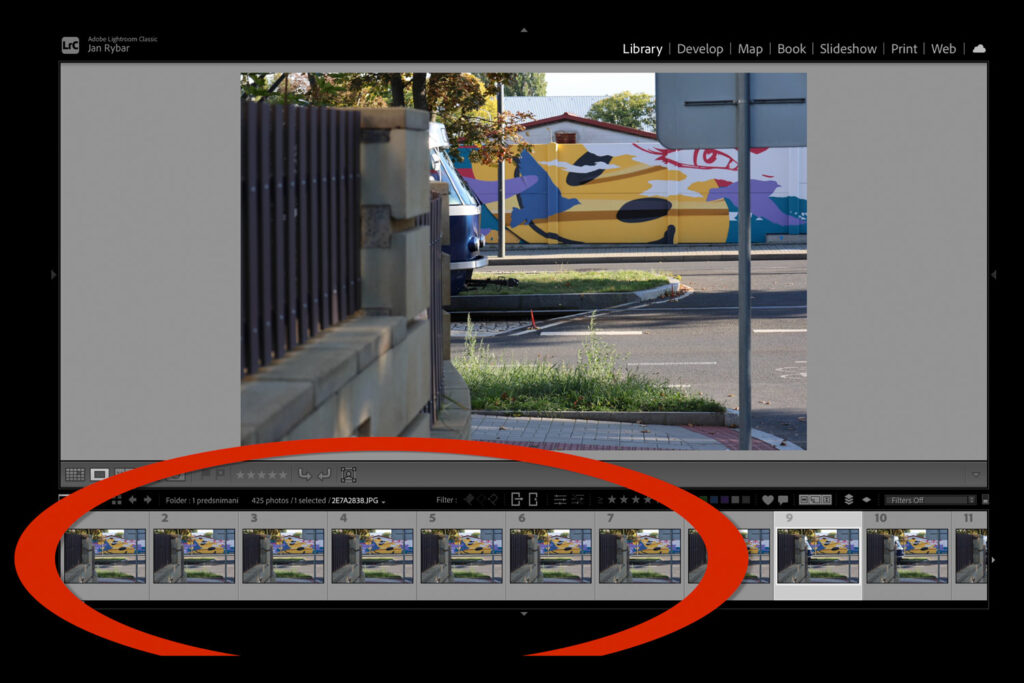
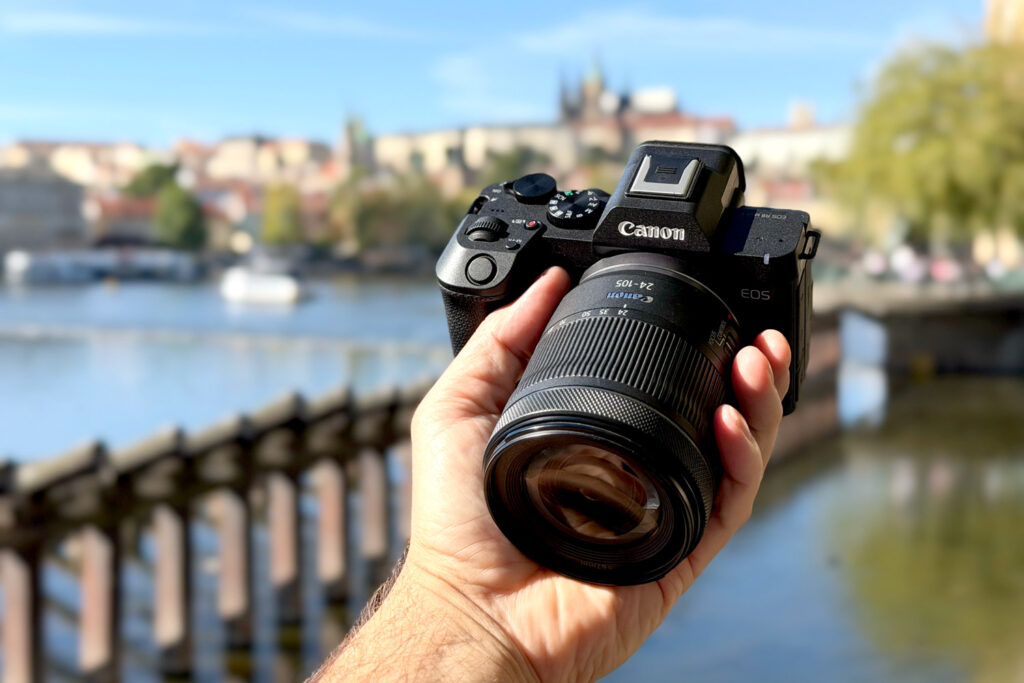
As usual, I tested the camera extensively in different locations and situations. It is important to point out that I used only the Canon RF 24-105mm F4-7.1 IS STM kit lens. Why this relatively ordinary lens? Because it is one of the options that will be sold as part of a kit, making it the “starter” lens for people beginning to explore the world of full-frame photography.
Canon EOS R8 Mark II – What I Liked
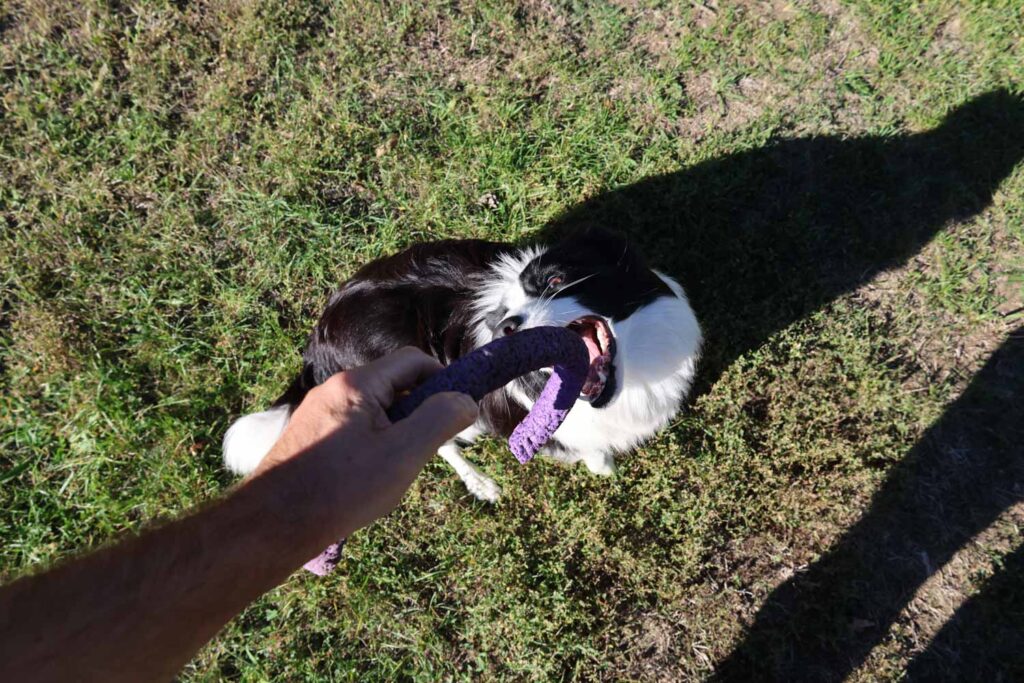
The speed is truly impressive – yes, the previous generation could already shoot at 40 frames per second, but that does not change the fact that the speed is simply excellent. For many users, it will undoubtedly be one of the main reasons to consider this camera. The best way to see how it works in practice is in the video, where I have a lot of fun with the camera’s speed – including fast-moving trams and a jumping dog.

Convenient controls thanks to the multi-controller – I have already mentioned this, but it deserves to be included in this overview as well. The second generation has a “joystick” that allows you to conveniently control a range of settings – most importantly the autofocus points, but also menu items and other controls. As a result, the camera has lost the “stripped-down” feeling it had compared with the first generation.
Autofocus performance – If you ask me where the biggest progress has been made in the camera world over the past few years, I will always say: autofocus systems. Specifically, the performance of continuous autofocus, called Servo AF by Canon, but also subject detection, which can reliably identify people, animals, eyes and vehicles. With modern mirrorless cameras, there is actually very little need to use the good old One Shot mode anymore (where you press the shutter button and the selected AF point determines the area in focus), because continuous autofocus systems supported by subject detection are so accurate that, with a little practice, you can focus successfully on almost anything. And it works very well and reliably here too – just look at the sequence of the jumping dog, where the AF points managed to lock on almost every time.

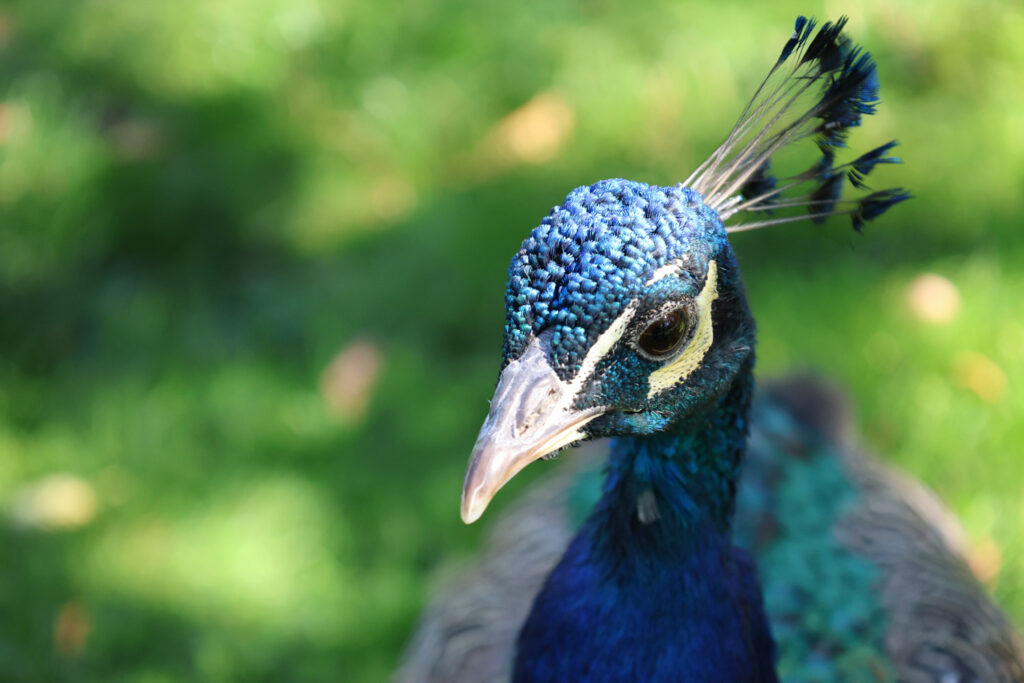
Pre-continuous shooting is an extremely useful feature that has been given a new role and a new lease of life here. So how does it work? Quite simply, when you enable this feature, the camera starts taking photos as soon as you half-press the shutter button. It takes the photos, but does not save them. When you fully press the shutter button, however, you get up to 20 frames from the preceding moment. You can see this clearly with the tram emerging from behind the wall: I want to capture exactly the fraction of a second when the tram appears, which is practically impossible to time normally. With pre-continuous shooting, however, I can “travel back in time” – when I press the shutter button, I know that I have images from half a second earlier available. This is extremely useful for many types of photography – cyclists flying through the air, for example, but also peacocks in a park. A peacock simply does not stay still for even a fraction of a second, so this ability to “travel back in time” comes in handy here too.
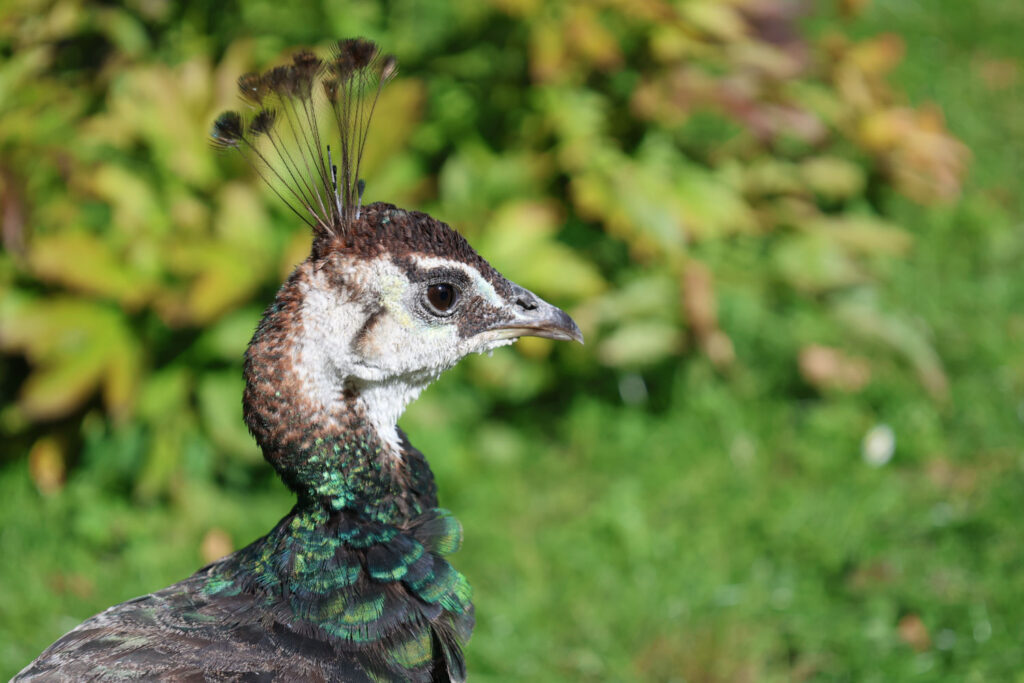
Very good image quality – This is somewhat of a given with full-frame cameras, but it is definitely worth mentioning. Yes, the image quality is very good, offering newcomers an entry into the world of images from large sensors, while more experienced users get the consistently strong performance of a sensor from a famous brand. In short, it all works very well.

USB charging – Yes, this is not a completely new feature, but it is very useful. The camera can be charged via USB, and an ordinary charger is all you need. I tested it with my 20 W iPhone charger (the small one, although not the smallest), and everything worked without any problems. Of course, the original and more powerful Canon charger would be better, but I doubt many people will want to carry it around while out walking.
Canon EOS R8 Mark II – Things to Keep in Mind
It is aimed at less demanding photographers – Despite all the praise above, it is important to remember that this is Canon’s entry-level full-frame camera. And if your budget allows, it certainly makes sense to look at its closest relative, the Canon R6 Mark III (review here). It offers somewhat more advanced features, a 32 MP sensor, two memory card slots and a more rugged body. For everyday use, that does not necessarily mean “better photos”, but of course I would not try to talk you out of stepping up to this higher level if you want it. The same applies to the next and, for everyday use, highest level: the Canon R5 Mark II.

The battery capacity is limited – The battery is small, so it is hardly surprising that it lasts only for a limited time. For a full day of demanding photography, it is important to have at least one spare battery in your pocket. Alternatively, as we have already seen, you can charge it in a café using an ordinary phone charger.
There is only one memory card slot – A common question among photographers is: does the camera have two memory card slots? Two slots can be useful for more demanding shooting situations, or simply for backing up your images and providing protection against card failure. No, there is only one slot here. Personally, I have never considered this a major limitation, but it is worth mentioning – and once again, for this category of camera, it is perfectly normal.
Canon EOS R8 Mark II – The Verdict in One Sentence
The Canon EOS R8 Mark II is a successful upgrade to a popular camera, once again offering very good specifications and performance at a reasonable price. It adds features for easier control, in-body stabilization and the genuinely useful pre-continuous shooting function. At the same time, the changes compared with the first generation are evolutionary rather than revolutionary – key specifications such as the maximum shooting speed and sensor resolution remain unchanged.
Canon EOS R8 Mark II – More Sample Photos from the Test


Review Summary
Canon EOS R8 Mark II

The Canon EOS R8 Mark II is a successful upgrade to a popular camera, once again offering very good specifications and performance at a reasonable price. It adds features for easier control, in-body stabilization and the genuinely useful pre-continuous shooting function – st the same time, the changes compared with the first generation are evolutionary rather than revolutionary – key specifications such as the maximum shooting speed and sensor resolution remain unchanged.
8
Pros
- Very good image quality
- Significantly improved controls
- Fast shooting and autofocus
Cons
- Changes compared with the R8 are not dramatic
- Battery life is relatively limited
- Higher-end models offer noticeably more
Related posts
-

Is This Photo Manipulated? Canon Can Now Verify Its Origin
-
Canon RF 100-400mm f/5.6-8 IS USM – Review, Sample Photos + Video
-
Canon R6 V: Open Gate Video Test – Why Full-Sensor Recording Matters
-

Best Cameras – Summer 2026: My 40 Reviews, 4 Tables, 10 Years of Testing
-
Testing a 30-Year-Old Canon PowerShot A5: Retro Review from Prague + video
-

Canon G7 X Mark III: Why This “Old” Camera Beats Your Phone – 2026 Review + video





















Leave a Reply